
T: +86-757-2339-5985
E: tp@topcod.com.cn
E: tp@topcod.com.cn
No.6, Pai Sha Industrial Road, Pai Sha Community, Longjiang Town, Shunde District, Foshan City, Guangdong Province, China.
Views: 0 Author: Site Editor Publish Time: 2025-11-03 Origin: Site


Imagine a world where moisture and impurities are effortlessly removed from gases and liquids. This is the power of molecular sieve desiccants. These tiny, yet mighty, materials play a crucial role across various industries, ensuring purity and efficiency. In this article, you'll learn what molecular sieve desiccants are, their importance in diverse sectors, and their key benefits and properties.
Molecular sieve desiccants are made from crystalline aluminosilicates, mainly silicon and aluminum atoms linked by oxygen bridges. This forms a rigid, open framework with uniform pores of precise sizes. These pores act like tiny tunnels or cages, allowing only molecules smaller than the pore size to enter. Larger molecules are blocked, making the sieve highly selective.
The pore sizes are controlled during manufacturing, typically ranging from about 3 to 10 angstroms. This control lets molecular sieves target specific molecules for adsorption. The uniformity of the pores ensures consistent performance in drying or separating gases and liquids.
Molecular sieves work by adsorption, where molecules from gases or liquids stick to the internal surfaces of the pores. Water molecules, for example, are drawn into the pores and trapped due to strong electrostatic forces and the size match. This makes molecular sieves excellent at removing moisture from air, natural gas, or liquids.
When the sieve becomes saturated, it can be regenerated through desorption. This process involves heating the sieve or reducing pressure, which releases the trapped molecules. After desorption, the sieve regains its drying capacity and can be reused multiple times. This regeneration ability makes molecular sieves cost-effective and environmentally friendly.
Compared to other desiccants like silica gel or calcium chloride, molecular sieves offer several advantages:
● Higher Selectivity: Their uniform pore sizes allow precise separation of molecules by size and polarity.
● Greater Capacity: They can adsorb more water per weight, especially at low humidity and higher temperatures.
● Thermal Stability: Molecular sieves maintain structure and function at temperatures above 230°C, unlike many other desiccants.
● Regenerability: Unlike some desiccants that degrade after use, molecular sieves can be regenerated repeatedly without losing performance.
For example, silica gel adsorbs moisture but has a broader pore size distribution, making it less selective and less effective under harsh conditions. Calcium chloride absorbs moisture chemically but cannot be regenerated easily.
Selecting the right molecular sieve type depends on the target molecules' size and the operating environment to maximize adsorption efficiency and longevity.
Molecular sieve desiccants come in various types, each designed for specific applications based on their pore size and adsorption properties. The main types widely used in industries include 3A, 4A, 5A, and 13X molecular sieves. Understanding their differences helps in selecting the right desiccant for your needs.
The 3A molecular sieve has the smallest pore size, about 3 angstroms. This size allows it to adsorb water molecules while excluding larger molecules like hydrocarbons. Because of this, it’s ideal for drying polar liquids and gases without removing important compounds.
Applications:
● Dehydration of ethanol in fuel production to achieve high purity.
● Drying natural gas, hydrogen, and argon.
● Moisture control in pharmaceutical and electronic packaging.
Benefits:
● Highly selective for water, preventing loss of valuable substances.
● Fast moisture adsorption, even in low humidity.
● Regenerable and stable at high temperatures.
With a pore size around 4 angstroms, 4A molecular sieves can adsorb water, ammonia, and carbon dioxide. This makes them more versatile than 3A sieves, suitable for drying both polar and non-polar substances.
Applications:
● Air separation: removing moisture and CO2 before liquefaction.
● Drying refrigerants to prevent freezing and corrosion.
● Solvent drying in chemical industries.
Benefits:
● Broader adsorption range than 3A.
● Effective in gas purification and moisture control.
● Good thermal and chemical stability.
5A molecular sieves have a pore size near 5 angstroms, large enough to adsorb normal paraffins but exclude branched hydrocarbons. This selectivity makes them essential in petrochemical processes.
Applications:
● Separating straight-chain hydrocarbons from branched ones.
● Purifying hydrogen and natural gas by removing moisture and CO2.
● Fuel production and refining.
Benefits:
● Precise separation of hydrocarbons.
● High adsorption capacity for impurities.
● Durable under industrial conditions.
The 13X molecular sieve has the largest pore size, about 10 angstroms, enabling it to adsorb larger molecules than other types. It’s especially useful in air separation and industrial gas purification.
Applications:
● Oxygen generation in Pressure Swing Adsorption (PSA) systems.
● Removing CO2, hydrogen sulfide, and other large impurities.
● Air purification before liquefaction.
Benefits:
● Handles a wide range of contaminants.
● Efficient in high-purity gas production.
● Regenerable and stable for long-term use.
Choose molecular sieve types based on pore size matching the target molecule for optimal adsorption and cost-effectiveness in your industrial process.
Molecular sieve desiccants play a vital role in the petrochemical industry. They help purify hydrocarbon streams by removing moisture and impurities. For example, 5A molecular sieves selectively adsorb normal paraffins from branched hydrocarbons, improving fuel quality. Moisture removal prevents corrosion and protects catalysts used in refining processes. This ensures smoother operations and higher product purity.
In natural gas processing, moisture and contaminants like carbon dioxide or hydrogen sulfide can cause pipeline corrosion and reduce gas quality. Molecular sieves, especially 5A and 13X types, efficiently dry and purify natural gas streams. By adsorbing water and impurities, they help meet strict pipeline specifications and safety standards. This also protects equipment and extends its lifespan, reducing maintenance costs.
Air separation units (ASUs) produce high-purity gases such as oxygen and nitrogen through cryogenic distillation. Molecular sieve desiccants remove moisture and carbon dioxide from feed air before separation, preventing ice formation and equipment damage. The 13X sieve is commonly used here due to its large pore size and high adsorption capacity. This ensures consistent gas purity for industries like healthcare, metal fabrication, and manufacturing.
Moisture in refrigerants can cause freezing, corrosion, and system failure in refrigeration and air conditioning units. Molecular sieves, particularly 4A types, adsorb water vapor from refrigerants, preventing these issues. They maintain system efficiency and extend equipment life. Unlike other desiccants, molecular sieves do not absorb refrigerants or oils, making them highly compatible with modern cooling systems.
Select molecular sieve types based on your industry’s specific impurities and operating conditions to maximize purification efficiency and equipment protection.
Molecular sieve desiccants help clean water and air by trapping harmful substances. In water treatment, they adsorb contaminants like heavy metals and volatile organic compounds (VOCs). This improves water quality for safe use.
For air purification, molecular sieves remove pollutants such as carbon dioxide, sulfur dioxide, and nitrogen oxides from industrial emissions. This reduces smog and acid rain, protecting the environment and public health.
Their uniform pore structure allows sieves to capture specific pollutants efficiently. This selectivity helps industries meet strict environmental regulations and maintain cleaner ecosystems.
Carbon dioxide (CO2) is a major greenhouse gas causing climate change. Molecular sieves, especially the 13X type, play a key role in capturing CO2 from industrial flue gases. The large pores allow effective adsorption of CO2 molecules.
Captured CO2 can then be stored underground or used in other industrial processes, reducing emissions released into the atmosphere. This technology, called carbon capture and storage (CCS), is vital for industries aiming to lower their carbon footprint.
Molecular sieves offer an energy-efficient and reusable solution for CCS, helping industries meet climate goals and support sustainable growth.
Beyond carbon capture, molecular sieves help reduce greenhouse gases in various ways. By removing moisture and impurities from natural gas, they improve fuel quality and efficiency, leading to cleaner combustion and fewer emissions.
They also aid in controlling emissions from chemical processes by adsorbing harmful gases before release. This reduces the environmental impact of industrial operations.
In refrigeration and air conditioning, molecular sieves prevent moisture buildup that could cause refrigerant leaks, which are potent greenhouse gases. By maintaining system integrity, they help lower indirect emissions.
For environmental applications, select molecular sieves with pore sizes matched to target pollutants to maximize capture efficiency and support sustainable operations.
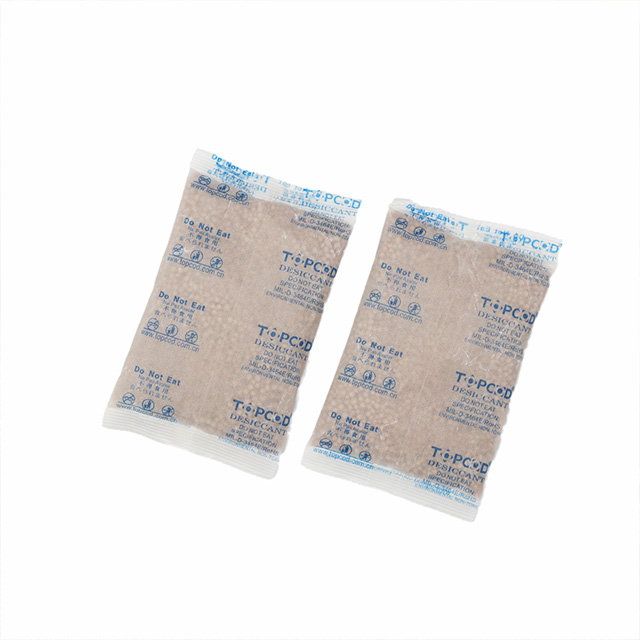
Selecting the proper molecular sieve type is crucial for efficient moisture removal and impurity adsorption. Consider the size of molecules you want to remove and the operating environment. For instance:
● 3A molecular sieves are best for drying polar liquids and gases, especially when you want to exclude larger molecules like hydrocarbons.
● 4A molecular sieves fit applications needing broader adsorption, including water, ammonia, and carbon dioxide.
● 5A molecular sieves excel in separating straight-chain hydrocarbons from branched ones, ideal for petrochemical uses.
● 13X molecular sieves target larger molecules such as CO2 and sulfur compounds, useful in air separation and gas purification.
Matching sieve pore size to target molecules maximizes adsorption efficiency and cost-effectiveness. Also, consider temperature, pressure, and chemical compatibility in your process.
One of the biggest advantages of molecular sieves is their ability to be regenerated and reused multiple times. Regeneration restores adsorption capacity, reducing costs and environmental impact.
Common regeneration methods include:
● Thermal regeneration: Heating the sieve (often between 200°C and 350°C) to drive off adsorbed moisture and impurities.
● Pressure swing regeneration: Lowering pressure to release adsorbed gases, common in Pressure Swing Adsorption (PSA) systems.
Proper regeneration cycles extend sieve life and maintain performance. Avoid exposure to oils or liquid water during use or storage, as these can clog pores and reduce effectiveness.
To optimize molecular sieve performance and minimize expenses, consider:
● Pre-treatment of feed streams: Removing bulk impurities before sieves reduces load and extends sieve life.
● Monitoring moisture levels: Use sensors to detect saturation and trigger regeneration only when needed.
● Proper bed design: Ensure uniform flow and avoid channeling to maximize contact between gas/liquid and sieve beads.
● Regular maintenance: Inspect and replace damaged or fouled sieves promptly to avoid process disruptions.
● Energy-efficient regeneration: Utilize heat recovery or lower temperature cycles when possible to save energy.
By combining the right sieve type with smart process control, industries can achieve superior drying and purification while keeping operational costs low.
Tip: Always align molecular sieve pore size and type to your specific impurities and operating conditions for maximum efficiency and cost savings.
Molecular sieve technology continues to evolve rapidly. Researchers focus on improving pore structure precision and enhancing adsorption capacity. New synthesis methods allow for better control over pore size and distribution. This leads to sieves that target even more specific molecules, increasing efficiency in separation and drying.
Nanotechnology plays a role in creating molecular sieves with enhanced surface areas. These have more active sites for adsorption, which boosts performance. Additionally, hybrid materials combining molecular sieves with other adsorbents or catalysts are emerging. These hybrids offer multifunctional capabilities, such as simultaneous moisture removal and contaminant breakdown.
Smart molecular sieves equipped with sensors and IoT connectivity are also under development. These can monitor saturation levels and optimize regeneration cycles automatically. This innovation reduces downtime and energy consumption, making processes more sustainable and cost-effective.
The versatility of molecular sieves opens doors to new industrial and environmental uses. One promising area is in renewable energy, where sieves help purify biofuels and hydrogen. For example, advanced 3A and 5A sieves are being tested to improve ethanol dehydration and hydrogen fuel cell purity.
In environmental protection, molecular sieves are being integrated into advanced carbon capture systems. Their ability to selectively adsorb CO2 makes them ideal for reducing greenhouse gas emissions from power plants and factories. New sieve materials designed to capture methane and other potent greenhouse gases are also in progress.
Medical and pharmaceutical fields see growing interest in molecular sieves for controlled drug delivery and sterile packaging. Their moisture control properties help preserve sensitive compounds and extend shelf life.
Furthermore, molecular sieves are being explored for water harvesting from air in arid regions. This innovation could provide fresh water in water-scarce areas by adsorbing moisture from the atmosphere and releasing it upon regeneration.
Advancements in molecular sieve technology promise significant environmental benefits. Improved sieves reduce energy use in drying and separation processes, lowering industrial carbon footprints. Regenerable sieves minimize waste, supporting circular economy principles.
Economically, more efficient sieves decrease operational costs by extending service life and reducing regeneration energy. Smart sieves enable predictive maintenance, preventing costly downtime. Industries adopting these innovations gain competitive advantages through higher productivity and sustainability.
In carbon capture, molecular sieves contribute to meeting global climate targets by enabling cost-effective CO2 removal. Their role in cleaner fuel production and emission control supports a transition to greener energy systems.
Overall, future molecular sieve innovations align with industry demands for sustainability, efficiency, and adaptability. Continued research and development will unlock even broader applications, reinforcing their vital role in modern industrial and environmental processes.
Stay updated on emerging molecular sieve technologies and consider integrating smart, hybrid, or nanostructured sieves to boost efficiency and sustainability in your operations.
Molecular sieve desiccants, with their precise pore structures, excel in moisture removal and impurity adsorption, essential for industries like petrochemical and air separation. Their regenerability and selectivity offer cost-effective solutions across various applications. Future advancements promise enhanced efficiency and new uses, such as renewable energy purification and carbon capture. TOPCOD provides cutting-edge molecular sieve products, ensuring high performance and sustainability, meeting industry demands for reliable and innovative solutions.
A: A Molecular Sieve Desiccant is a material made from crystalline aluminosilicates with uniform pores that selectively adsorb smaller molecules like water, making it effective for drying gases and liquids.
A: It works by adsorption, trapping molecules like water in its pores. When saturated, it can be regenerated through heating or pressure reduction, restoring its drying capacity.
A: They offer higher selectivity, greater capacity, thermal stability, and regenerability, outperforming alternatives like silica gel or calcium chloride in many applications.


