
T: +86-757-2339-5985
E: tp@topcod.com.cn
E: tp@topcod.com.cn
No.6, Pai Sha Industrial Road, Pai Sha Community, Longjiang Town, Shunde District, Foshan City, Guangdong Province, China.
Views: 0 Author: Site Editor Publish Time: 2025-11-01 Origin: Site


Imagine a world where moisture is the enemy, silently sabotaging industrial processes. Molecular sieve desiccants are the unsung heroes in this battle, expertly removing unwanted moisture. Choosing the right desiccant is crucial for optimizing efficiency and product quality. In this post, you'll learn about molecular sieve desiccants, their importance, and the different sizes available to meet your needs.
Molecular sieves come in three main types based on their pore sizes: microporous, mesoporous, and macroporous. Microporous materials have pores smaller than 2 nanometers, mesoporous range from 2 to 50 nanometers, and macroporous are larger than 50 nanometers. This classification matters because the pore size directly affects which molecules can enter and be adsorbed. Microporous sieves are most common for molecular sieves used in drying and separation processes due to their ability to selectively adsorb small molecules like water.
The most widely used molecular sieve sizes are 3A, 4A, 5A, and 13X, each with distinct pore diameters and applications:
● 3A Molecular Sieves: With pore sizes about 3 angstroms, these sieves adsorb molecules smaller than 3 angstroms, such as water, but exclude larger molecules like ethanol. They’re great for drying gases and liquids where selective adsorption of water is needed without capturing larger molecules.
● 4A Molecular Sieves: These have pore sizes near 4 angstroms and can adsorb slightly larger molecules, including water, ammonia, and carbon dioxide. They’re commonly used in air drying, natural gas purification, and drying of non-polar liquids.
● 5A Molecular Sieves: With pores about 5 angstroms wide, 5A sieves can adsorb larger molecules like normal paraffins and water. They’re often used in gas separation, drying of hydrocarbons, and purification processes in petrochemical industries.
● 13X Molecular Sieves: These have the largest pores among the common types, approximately 10 angstroms. They adsorb large molecules such as oxygen, nitrogen, and carbon dioxide and are widely used in air separation and removal of impurities from gases.
Each sieve size serves specific industrial needs based on its pore size and adsorption properties:
● 3A sieves are ideal for drying cracked petroleum gases and removing water from solvents without adsorbing larger molecules, protecting product quality.
● 4A sieves find use in drying natural gas, compressed air systems, and refrigerants, efficiently removing moisture and certain contaminants.
● 5A sieves help purify gas streams by removing larger impurities, ensuring fuel quality and protecting downstream equipment.
● 13X sieves are essential in air separation plants for oxygen and nitrogen production and in removing carbon dioxide and moisture from industrial gases.
Choosing the right molecular sieve size requires matching the pore size to the target molecules for optimal adsorption and process efficiency.
Select a molecular sieve with pore size just larger than the molecules you want to adsorb to maximize efficiency and avoid pore blockage.
Choosing the right molecular sieve starts by knowing the molecules you want to trap or separate. Molecular sieves have uniform pore sizes, so they only let molecules smaller than their pores enter. For example, if you want to remove water vapor but keep larger molecules like ethanol, a 3A sieve works well. For gases like carbon dioxide or ammonia, a 4A or 5A sieve might be better. Larger molecules such as nitrogen or oxygen require bigger pore sizes like 13X. Understanding the size and type of molecules helps pick a sieve that adsorbs target molecules efficiently without capturing unwanted compounds.
The purity level needed affects sieve choice. High-purity applications, like pharmaceutical gas drying, require sieves that selectively adsorb impurities without affecting the main product. Process conditions such as temperature and pressure also matter. Some sieves perform better at high temperatures or under vacuum, while others work best at ambient conditions. For example, molecular sieves retain moisture well even at low humidity and high temperatures, unlike silica gel. Matching sieve properties to process conditions ensures stable performance and product quality.
Selectivity means how well a sieve targets specific molecules over others. Adsorption capacity is how much moisture or gas the sieve can hold. A sieve with high selectivity and capacity reduces downtime and costs by needing less frequent regeneration. For instance, 4A sieves have high adsorption capacity for water and carbon dioxide, making them ideal for natural gas drying. Meanwhile, 13X sieves adsorb larger molecules and impurities, useful in air separation. Balancing selectivity and capacity ensures efficient moisture removal and gas purification, maximizing process efficiency.
Always match the molecular sieve’s pore size and adsorption properties to your target molecules and operating conditions for optimal performance and cost savings.
Molecular sieve desiccants play a vital role in petrochemical and pharmaceutical sectors. In petrochemicals, they remove moisture from gases and liquids, preventing corrosion and catalyst poisoning. For example, drying cracked petroleum gases with 3A sieves protects product quality by selectively adsorbing water without capturing larger hydrocarbons. In pharmaceuticals, molecular sieves ensure stability by controlling moisture in active ingredients and packaging environments. Their ability to maintain low humidity levels helps prevent hydrolytic degradation, extending shelf life and efficacy of drugs.
Air separation plants rely heavily on molecular sieves like 13X to separate oxygen and nitrogen efficiently. These sieves adsorb impurities such as carbon dioxide and moisture, ensuring high purity of separated gases. Molecular sieves also purify industrial gases by removing contaminants that could harm equipment or affect product quality. For instance, 5A sieves remove larger molecules from hydrogen streams, producing high-purity hydrogen for fuel cells and other uses. Their fast adsorption rates and high capacity make them ideal for continuous gas purification processes.
In environmental applications, molecular sieves help reduce pollution by capturing harmful gases and moisture from industrial emissions. They aid in preventing rust and corrosion in pipelines by removing water vapor, contributing to safer transport of gases. Additionally, molecular sieves support energy storage technologies by maintaining dry conditions in batteries and fuel cells. Their stability and regeneration capability make them sustainable choices for long-term use in clean energy solutions.
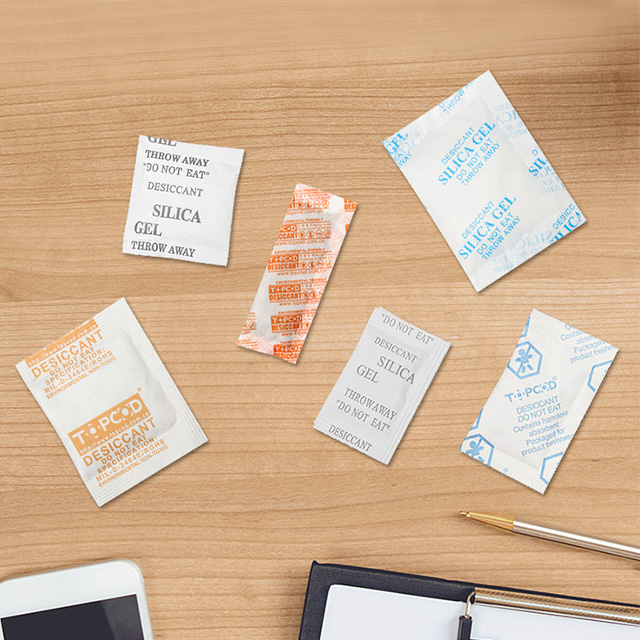
Choosing the correct molecular sieve size begins with matching its pore diameter to the size of the molecules you want to adsorb. The pores must be just slightly larger than the target molecules. This ensures the sieve efficiently traps the desired molecules without letting them pass through or blocking the pores. For example, to remove water vapor while excluding larger molecules like ethanol, a 3A sieve with about 3 angstrom pores is ideal. If you need to adsorb larger molecules such as normal paraffins or ammonia, consider 5A sieves. Using a sieve with pores too large can reduce selectivity, while pores too small will prevent adsorption altogether.
Operating temperature, pressure, and humidity significantly impact molecular sieve performance. Some sieve sizes perform better at high temperatures, while others excel under lower pressure or vacuum conditions. For instance, molecular sieves maintain moisture adsorption even at low humidity and elevated temperatures, unlike silica gel, which loses capacity as temperature rises. It’s essential to select a sieve size and type that maintain stable adsorption under your specific process conditions. Also, consider the chemical environment; some sieves tolerate harsh gases better than others.
The rate at which molecules adsorb onto the sieve affects process efficiency. Faster adsorption kinetics mean quicker moisture or impurity removal, reducing downtime. Molecular sieves typically exhibit rapid adsorption due to their uniform pore structures. Stability during repeated adsorption and regeneration cycles is critical. Choose sieves resistant to structural degradation, crushing, or chemical attack to ensure long service life and consistent performance. High regenerability reduces operational costs by allowing multiple reuse cycles.
Molecular sieves adsorb moisture more rapidly and strongly than silica gel. They have uniform pore sizes that allow selective adsorption of molecules, making them excellent for applications needing precise moisture control. Silica gel, by contrast, has a broader pore size distribution and adsorbs moisture mainly through physical adsorption and capillary condensation. It works well at moderate temperatures and humidity levels but loses efficiency at higher temperatures, often releasing moisture back into the environment.
Molecular sieves maintain high adsorption capacity even at low humidity and elevated temperatures, making them ideal for industrial drying and gas purification. Silica gel suits products stored in stable environments with moderate to high humidity, such as food packaging or pharmaceuticals. However, silica gel may desorb moisture if temperatures rise, potentially harming sensitive goods.
Montmorillonite clay is a natural, porous desiccant that adsorbs moisture on its surface. It’s inexpensive and regenerable at low temperatures, but it tends to desorb moisture as temperature increases, similar to silica gel. Clay works best in moderate humidity and temperature conditions but offers lower adsorption capacity and selectivity compared to molecular sieves.
Molecular sieves outperform clay in adsorption capacity, especially at low humidity and high temperatures. Their uniform pores enable selective adsorption, critical for industrial processes where precise moisture removal matters. Clay is a good choice for cost-sensitive applications with less demanding moisture control needs.
Calcium oxide (quick lime) is highly effective at absorbing moisture even at low relative humidity and high temperatures. It is often used in packaging dehydrated foods or in environments with extreme humidity. However, calcium oxide is not regenerable and can be hazardous if mishandled.
Molecular sieves provide a safer, regenerable alternative with excellent adsorption capacity and stability across a broad temperature range. They are preferred in applications requiring repeated use and strict moisture control, such as pharmaceuticals and petrochemicals. Calcium oxide remains suitable for bulk applications where cost is a primary concern, and regeneration is not required.
Molecular sieves offer excellent regeneration capabilities, making them highly reusable in industrial settings. After adsorption, they can be regenerated by heating or applying a vacuum to remove trapped moisture or gases. This process restores their adsorption capacity without significant degradation. Proper regeneration extends the sieve’s service life, reducing the need for frequent replacement and lowering operational costs. For example, in gas drying systems, sieves can undergo multiple adsorption-regeneration cycles without losing efficiency. Ensuring correct regeneration conditions—such as optimal temperature and duration—is key to maintaining sieve performance and structural integrity.
Using molecular sieves is cost-effective over the long term due to their durability and high adsorption capacity. Although the initial investment may be higher compared to some other desiccants, their longevity and ability to be regenerated multiple times make them economical. They maintain consistent performance under varied process conditions, reducing downtime and maintenance expenses. Additionally, molecular sieves prevent equipment damage by effectively removing moisture and impurities, saving costs related to repairs or replacements. Industries such as petrochemical and pharmaceutical sectors benefit from this reliability, where product purity and process stability are critical.
Molecular sieves contribute positively to environmental sustainability. Their regenerability means less waste generation compared to single-use desiccants. Efficient moisture removal helps prevent corrosion and equipment failure, reducing the need for replacements and associated environmental costs. Furthermore, molecular sieves support cleaner industrial processes by enabling the purification of gases and liquids, which lowers emissions of harmful substances. When selecting molecular sieves, consider products manufactured with eco-friendly processes or recyclable materials to enhance sustainability. Proper disposal and recycling of spent sieves also minimize environmental footprint.
Understanding molecular sieve sizes is crucial for optimizing adsorption processes. Choosing the right desiccant involves matching pore sizes with target molecules and considering process conditions. Molecular sieves offer superior adsorption capacity and selectivity compared to other desiccants. They are highly regenerable, cost-effective, and environmentally sustainable. As technology advances, the demand for efficient desiccants will grow. TOPCOD's molecular sieves stand out with their unique features, providing exceptional value and reliability for various industrial applications.
A: A Molecular Sieve Desiccant is a material with uniform pore sizes that selectively adsorbs specific molecules, such as water, based on size.
A: Choose based on the target molecules you want to adsorb, the desired purity level, and the process conditions like temperature and pressure.
A: Molecular Sieve Desiccants adsorb moisture more effectively at low humidity and high temperatures, offering better selectivity and stability.
A: They are cost-effective long-term due to their high adsorption capacity, durability, and the ability to regenerate multiple times.
A: Molecular Sieve Desiccants offer higher adsorption capacity and selectivity, especially in low humidity and high-temperature conditions.


