
T: +86-757-2339-5985
E: tp@topcod.com.cn
E: tp@topcod.com.cn
No.6, Pai Sha Industrial Road, Pai Sha Community, Longjiang Town, Shunde District, Foshan City, Guangdong Province, China.
Views: 0 Author: Site Editor Publish Time: 2026-11-18 Origin: Site


How many container desiccant packs does a 20-foot container really need? Too few may leave cargo exposed to moisture damage. Too many can increase shipping costs. This guide explains how to calculate the right container desiccant pack quantity based on cargo, absorption capacity, and shipping conditions.
A 20-foot container does not have one universal desiccant requirement. The correct quantity depends on the total moisture load and each pack's absorption capacity. Cargo type and shipping conditions also affect the final calculation.
For example, a shipment of dry metal components has different moisture risks from fresh agricultural products. Wooden pallets and wet cartons can also increase the moisture load. Therefore, container volume alone cannot determine the required dosage.
A container's internal volume provides useful background information. However, it does not show how much moisture the cargo will release. Two containers of identical size may need different desiccant quantities.
The cargo itself is an important factor. Wood, paper, textiles, and agricultural products can retain moisture. They may release water vapor during transportation.
The desiccant formulation also matters. Calcium chloride and silica gel have different absorption mechanisms and performance characteristics. Their dosage calculations should use separate product specifications.
Pack weight determines how many individual units are needed. A shipment requiring four kilograms of desiccant could use four 1kg units. It could also use twenty 200g bags.
Larger units can reduce handling and installation time. Smaller bags may offer greater flexibility around specific cargo areas. The best choice depends on the available installation space.
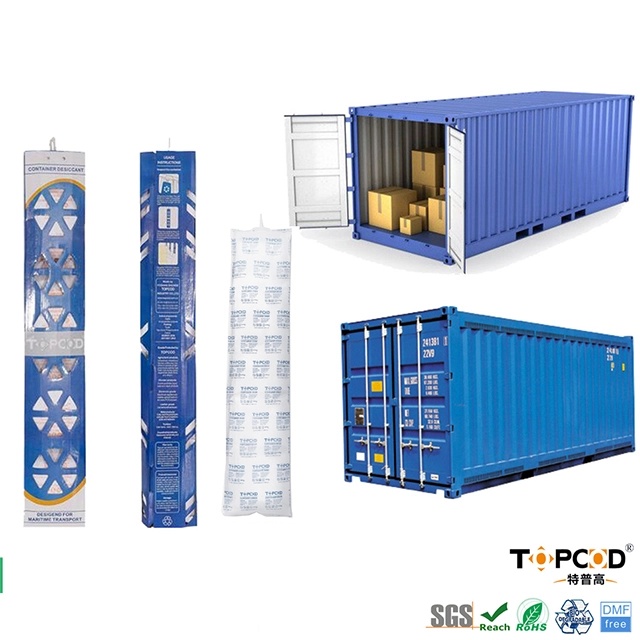
For container applications, larger hanging strips and bags are often more practical. For example, TOPCOD lists a 1,400g hanging strip designed for container transportation. Its format is intended for installation near the container roof.
Start by estimating the moisture that may enter the container air. Then check the effective absorption capacity of the selected desiccant. Divide the estimated moisture load by that capacity.
Next, divide the required desiccant weight by the weight of each pack. Round the result up to the next whole unit. This provides an initial quantity for further assessment.
For example, assume a shipment needs four kilograms of desiccant. If each unit weighs one kilogram, the initial estimate is four units. This is an illustrative calculation, not a universal 20-foot container recommendation.
First, identify the cargo and its packaging materials. Record whether the shipment contains wood, paper, textiles, food, or metal products. These materials have different moisture characteristics.
Next, review the shipping route and expected transit time. Consider loading humidity, seasonal weather, and possible port storage. Longer exposure may require a different moisture-control plan.
Finally, check the product's technical data. Confirm its weight, absorption capacity, packaging material, and intended application. These details make the calculation more reliable.
A container loaded with dry, moisture-resistant cargo may need less protection. Wet pallets or moisture-sensitive goods can increase the requirement. Poor loading conditions may also create additional moisture risks.
Air circulation and pack placement affect performance too. Desiccants need suitable exposure to humid air. Packs hidden behind tightly stacked cargo may work less effectively.
Note: Treat any quantity estimate as shipment-specific. Confirm the final dosage against product data and actual cargo conditions.
A practical calculation starts with the estimated moisture load. It then uses the effective absorption capacity of the selected product. This approach is more useful than choosing a quantity based only on container size.
The calculation also helps buyers compare different pack weights. It can show whether larger units reduce handling requirements. However, the input values must come from reliable technical data.
Cargo materials can release moisture during transportation. Wooden pallets may contain residual water. Corrugated cartons and paper packaging can also absorb moisture before loading.
Agricultural products may release moisture through natural respiration or evaporation. This can increase humidity inside the container. Freshly harvested or poorly dried goods need particular attention.
Loading conditions matter as well. Cargo loaded during rainy weather may introduce additional moisture. Wet container floors and damp packaging can create further problems.
Do not rely only on a product's maximum absorption claim. Actual performance depends on humidity, temperature, exposure time, and formulation. The usable capacity may differ from laboratory results.
TOPCOD's calcium chloride container desiccant product information states an absorption capacity of up to three times its own weight. Another product description gives a range of three to four times under its stated conditions. These figures are product claims, not guaranteed performance in every shipment.
Check the manufacturer's technical documentation before calculating. Confirm the test conditions and relevant absorption data. Use a conservative value when the actual environment is uncertain.
Use the following formulas to estimate the required amount:
Required Desiccant Weight = Estimated Moisture Load ÷ Effective Moisture Absorption Rate
Number of Packs = Required Desiccant Weight ÷ Weight per Pack
For example, assume the estimated moisture load is 8kg. Use an illustrative effective absorption rate of 2kg of moisture per kilogram of desiccant. The required desiccant weight would be 4kg.
If each pack weighs 1kg, the initial calculation gives four packs. If each pack weighs 200g, the calculation gives twenty packs. Both options provide the same total desiccant weight.
These figures demonstrate the calculation only. They are not a dosage recommendation for every 20-foot container. The assumed moisture load and absorption rate must be verified before commercial use.
A full container does not always need more desiccant. Cargo type and moisture content remain important. A large load of dry metal parts may create less moisture than a smaller load of damp agricultural goods.
Partially loaded containers also need careful assessment. More empty space does not automatically mean lower moisture exposure. The cargo may still release moisture during transportation.
Review the cargo weight, packaging, and loading arrangement together. Then estimate the moisture load for the actual shipment. Avoid reducing the dosage by cargo volume alone.
Tip: Keep a record of each shipment's cargo type, route, transit time, and desiccant quantity. These records help improve future dosage estimates.
Pack size affects storage, handling, installation, and distribution. Small sachets work well inside individual product packages. Larger bags and hanging strips are more suitable for container-level moisture control.
The choice should match the application. It should also consider the desiccant chemistry and outer packaging. A product designed for cartons may not suit an entire shipping container.
Small silica gel sachets are commonly used inside product packaging. Typical sizes include 0.5g, 1g, 2g, and 5g. They help protect individual products from moisture inside sealed packages.
These sachets are useful for electronics, consumer goods, and selected food packaging applications. Their small size makes them easy to place. However, many small sachets are not an efficient replacement for container-level desiccants.
A container requires moisture control across a much larger space. It may also face changing temperatures and long transit periods. Use a product designed for the intended shipping environment.
Medium and large packs can reduce the number of units needed. Options such as 20g, 50g, 100g, 200g, and 500g provide different handling choices. Their suitability depends on the product formulation and packaging.
For example, a 200g calcium chloride dry bag is listed for agricultural product applications. The product information describes its use during transportation. It also identifies moisture-related risks such as mold and container rain.
Buyers should compare more than the nominal pack weight. Check the outer pouch, liquid-retention design, and installation method. These details affect practical use during shipping.
Larger packs can simplify installation when a shipment requires substantial desiccant weight. They may also reduce the number of individual units to handle. This can save time during container preparation.
TOPCOD lists a 1,000g calcium chloride container desiccant. Its product page provides non-woven and cardboard packaging options. The listed carton configurations also differ by packaging type.
Customized formats may help match specific container layouts. Buyers can discuss dimensions, materials, and pack weights with the supplier. Confirm that the selected design suits the cargo and shipping conditions.
The required dosage can increase when cargo releases more moisture. Humid loading conditions and long transit times can also raise exposure. Container defects create additional risks that desiccants cannot fully correct.
Understanding these factors helps buyers avoid underestimating moisture requirements. It also prevents unnecessary use of desiccant. The goal is to match protection capacity to actual shipment conditions.
Wooden pallets can contain residual moisture. Paper cartons and textile packaging may also absorb water before loading. These materials can release moisture into the container air.
Agricultural products need special consideration. Coffee, rice, tea, nuts, and other goods may retain moisture. Their condition before loading can affect the internal humidity.
Drying and inspection should happen before shipment. Do not expect desiccants to correct wet cargo. They are intended to manage moisture exposure, not replace proper cargo preparation.
Humid loading environments can introduce moisture into containers. Warm air may enter during loading. When temperatures fall, water vapor can condense on cooler surfaces.
Ocean transportation often involves changing temperatures. Containers may pass through several climate zones. These changes can increase the risk of condensation.
Consider the entire route when planning protection. Review the origin, destination, season, and expected transit period. A dosage used for a dry-season shipment may not suit a humid-season shipment.
Longer transit periods can increase moisture exposure. Containers may also remain at ports before or after the main voyage. Each stage adds time to the protection period.
Transshipment can create further temperature changes. Inland transportation may also expose cargo to different weather conditions. These factors should be included in the shipment assessment.
Select a desiccant with a suitable service period. Confirm its expected performance under the planned conditions. Do not assume that every pack provides the same protection duration.
A damaged container can allow water to enter. Leaking roofs, weak door seals, and wet floors are common warning signs. Desiccants cannot compensate for active water leakage.
Inspect the container before loading. Check the roof, walls, floor, and door seals. Make sure the interior is clean and dry.
Wooden floors also deserve attention. Excessive floor moisture can increase the desiccant requirement. If the container is unsuitable, replace it rather than relying on additional packs.
Note: Fix leaks and remove standing water before loading. Desiccants manage humidity, but they cannot repair a damaged container.
Correct placement helps the desiccant contact humid air. It also reduces the risk of pack damage during transportation. The installation plan should match the cargo arrangement and product design.
Container desiccants may use hanging strips, bags, or other formats. Each design has its own installation requirements. Follow the supplier's instructions before loading.
Avoid placing every pack in one area. Distribute them according to the cargo layout and available installation points. This helps improve moisture-control coverage.
Hanging strips can be installed along suitable container walls or roof areas. The exact positions depend on the product design. Keep them secure throughout transportation.
TOPCOD lists a 1,400g hanging container desiccant strip for ocean transportation. Its hanging format is designed for installation near the container top. Check the product instructions before selecting mounting positions.
Use the correct outer packaging for the cargo. Do not allow damaged or leaking packs to contact sensitive goods. This is especially important when the desiccant absorbs moisture and changes form.
Food and pharmaceutical shipments require additional care. Confirm the product's suitability for the intended application. Review relevant safety documents and packaging specifications.
The outer pouch should remain intact during transportation. Avoid sharp edges and excessive compression. Replace damaged packs before loading.
Desiccants need contact with humid air to work effectively. Do not cover them completely with cargo or packaging. Keep suitable space around each unit.
Cargo arrangement can restrict airflow. Tightly packed goods may block access to some installation points. Consider these restrictions when planning placement.
Secure all hanging units properly. They should not interfere with cargo stability or handling. Follow the supplier's recommended installation method.
Tip: Photograph the installed desiccants before closing the container. Keep the images with the shipment records for later review.
A dosage calculation provides an estimate, not proof of performance. Monitoring and inspection help verify the moisture-control plan. They also provide useful evidence for future shipments.
Use more than one method when practical. Combine humidity records with cargo inspections. This gives a clearer picture of shipment conditions.
Humidity indicators can show changes in moisture conditions. Data loggers provide more detailed records over time. They can help identify periods of high humidity.
Record conditions before loading whenever possible. Compare them with readings after transportation. This helps identify where moisture exposure may have increased.
Monitoring results should guide future decisions. If humidity remains high, review the dosage and placement. Also inspect the container and cargo preparation process.
Check cartons for damp areas and water stains. Look for mold, corrosion, and packaging deformation. These signs may indicate moisture-control problems.
Inspect cargo from different container areas. Compare goods near the doors, walls, and central loading area. Different locations may experience different conditions.
Record all inspection findings. Include photographs and affected product details. This information can help identify the source of moisture damage.
Compare the planned quantity with actual shipment results. Record the pack model, weight, and installation positions. Include cargo type, route, and transit duration.
If moisture damage occurs, investigate the cause first. More desiccant may not solve wet cargo or container leaks. Review all parts of the moisture-control process.
Use the findings to refine future shipments. Adjust the desiccant quantity only when the evidence supports it. This approach improves consistency and controls unnecessary packaging costs.
The right container desiccant pack quantity depends on cargo moisture, absorption capacity, and shipping conditions. Proper calculations and placement help reduce condensation and protect goods during transit.
Foshan Shunde Topcod Industry Co., Ltd. offers calcium chloride container desiccants in dry bags and hanging strips. These products help manage container moisture and protect cargo during transportation.
A: It depends on cargo moisture, pack weight, and absorption capacity.
A: Divide estimated moisture load by effective absorption capacity.
A: Cargo type, humidity, transit time, and container condition matter.
A: Larger packs may reduce handling, but suitability depends on cargo layout.
A: Distribute them evenly while maintaining airflow and avoiding direct cargo contact.


