
T: +86-757-2339-5985
E: tp@topcod.com.cn
E: tp@topcod.com.cn
No.6, Pai Sha Industrial Road, Pai Sha Community, Longjiang Town, Shunde District, Foshan City, Guangdong Province, China.
Views: 0 Author: Site Editor Publish Time: 2026-03-22 Origin: Site


Desiccants are vital for preventing moisture damage in industries like electronics and pharmaceuticals. But are all desiccants hazardous? While desiccants are essential for preserving product integrity, some may pose safety risks. In this article, we will explore the different types of desiccants and their safety profiles.
You’ll learn about non-toxic and hazardous desiccants, plus how to use them safely. We will also discuss the best practices for disposal. Learn more about our products at Topcod, designed for safe moisture control.
Desiccants are substances that absorb moisture from the air. By creating a dry environment, desiccants help prevent damage from humidity, such as rust, mold, mildew, and corrosion. These materials are commonly used in packaging, shipping containers, and other settings where moisture control is crucial. Desiccants come in various types, including silica gel, activated clay, molecular sieves, and calcium chloride.
Desiccants are used across industries to protect sensitive products. In the food industry, they help maintain the freshness of products by absorbing excess moisture that could lead to spoilage. In electronics, desiccants prevent corrosion and short circuits by keeping the internal components dry. Desiccants also play a crucial role in protecting pharmaceuticals, textiles, and machinery from the harmful effects of moisture during storage or transportation.
While most desiccants are safe for use, some may contain hazardous materials that could pose risks. It is essential to understand the composition of each desiccant to assess whether it is safe for your specific application.
Most desiccants, such as silica gel and activated clay, are non-toxic and pose no significant harm when handled properly. However, some desiccants may contain hazardous additives, such as cobalt chloride, which is toxic if ingested or improperly handled. Cobalt chloride is used in some desiccants as an indicator to show when they are saturated with moisture. Although silica gel itself is non-toxic, cobalt chloride is harmful and can cause nausea, vomiting, and other health issues if swallowed.
Desiccants containing cobalt chloride, often found in blue or pink silica gel packets, can present health risks. While cobalt chloride helps monitor moisture levels, it is toxic when ingested. Therefore, it is crucial to handle these desiccants carefully and avoid direct contact with food or medicine. In addition, desiccants that contain harmful chemicals may require special handling and disposal.
Even non-toxic desiccants can pose risks if not used or stored properly. For example, desiccants can be a choking hazard, especially for children or pets. Inhaling desiccant dust over long periods can also irritate the respiratory system. Proper storage and handling are key to preventing accidental ingestion or exposure to desiccant dust.
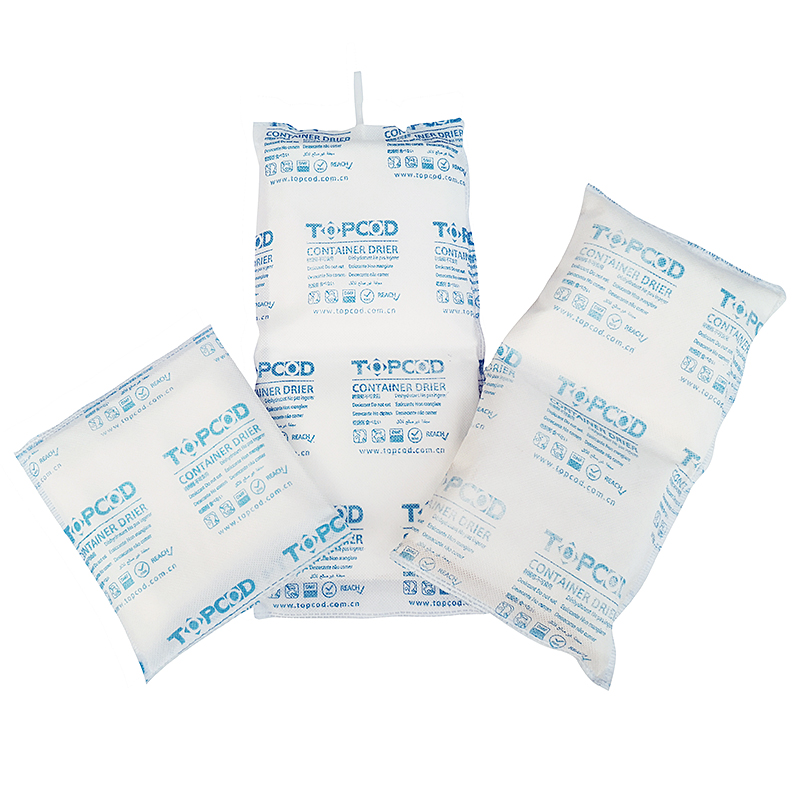
Not all desiccants are created equal. Understanding the differences between various types can help you choose the safest option for your needs.
Silica gel and activated clay are among the most common and safest desiccants. These materials are non-toxic, highly effective, and widely used in consumer products like food packaging, electronics, and medicine. Silica gel, in particular, is known for its ability to absorb moisture efficiently and is often used in small packets to prevent moisture damage.
In addition to silica gel, natural clay desiccants are also safe and effective. These desiccants are commonly used in food packaging and other applications where non-toxicity is essential. They help maintain a dry environment without introducing harmful chemicals.
Desiccants containing cobalt chloride should be handled with care due to the toxicity of the cobalt compound. Cobalt chloride is used to change the color of silica gel, indicating moisture saturation. While the desiccant itself may not be hazardous, the presence of cobalt chloride can pose health risks if ingested. It is important to avoid using desiccants containing cobalt chloride in food or medicine packaging, as these substances can contaminate sensitive products.
Desiccants used in industrial applications may be more potent and designed for specific, high-humidity environments. For instance, molecular sieves or calcium chloride desiccants can absorb moisture at a much higher rate than consumer-grade products. While these industrial desiccants are effective, they often require more caution in handling and disposal. Consumer-grade desiccants, such as silica gel, are generally safer and easier to use for household applications.
Desiccant Type | Toxicity | Common Applications | Safety Considerations |
Silica Gel | Non-toxic | Food, medicine, electronics, apparel | Generally safe, but should not be ingested |
Activated Clay | Non-toxic | Food packaging, shipping | Safe for general use, eco-friendly |
Calcium Chloride | Non-toxic | Agriculture, industrial storage | Safe in dry conditions, can absorb moisture in extreme environments |
Cobalt Chloride | Toxic (if ingested) | Moisture control, industrial applications | Should not be used in food or medicine packaging due to toxicity |
Desiccant packets often feature warning labels, such as “Do Not Eat,” which are designed to prevent accidental ingestion, especially by children or pets.
The “Do Not Eat” label is a safety warning to prevent choking hazards. Silica gel packets and other desiccants are small and could be ingested accidentally. Although most desiccants are non-toxic, swallowing them could lead to mild stomach discomfort or, in rare cases, more serious issues if the desiccant contains harmful additives like cobalt chloride.
Desiccants must comply with regulatory standards to ensure their safety in consumer and industrial settings. In the U.S., the FDA and EPA regulate the materials used in food packaging and other sensitive applications. In Europe, similar regulations ensure that desiccants meet safety standards for use with food, medicine, and other products.
Ingesting desiccants is generally not harmful, but the potential risks depend on the type of desiccant and the quantity consumed.
Silica gel, which is non-toxic, can cause discomfort if ingested, including mild stomach upset. However, desiccants that contain cobalt chloride can cause more serious health issues if swallowed. Symptoms may include nausea, vomiting, and digestive distress. It is important to avoid ingesting desiccants and to store them safely.
If a desiccant is ingested, do not induce vomiting unless advised by a medical professional. Instead, seek medical attention if necessary, especially if the desiccant contains harmful chemicals like cobalt chloride. If choking occurs, perform the Heimlich maneuver and call for emergency help.
Desiccants are small and can present a significant choking risk, especially for children and pets. Always store desiccants in secure containers to prevent accidental ingestion.
Desiccant Type | Health Risks from Ingestion | Severity of Risk |
Silica Gel | Mild stomach discomfort, non-toxic | Low risk, discomfort from ingestion |
Activated Clay | Mild stomach upset if ingested | Low risk, typically passes through the digestive system |
Calcium Chloride | Can cause gastrointestinal irritation if ingested | Moderate risk, may cause nausea or upset stomach |
Cobalt Chloride | Nausea, vomiting, potential long-term effects | High risk, toxic if swallowed |
Selecting the right desiccant depends on your moisture control needs and the level of safety required for your application.
For everyday use, choose non-toxic desiccants like silica gel or natural clay. These desiccants are safe for most applications and provide excellent moisture control without introducing harmful chemicals.
When choosing desiccants for food packaging, it is essential to select food-grade options that are free from toxic additives. Silica gel and other non-toxic desiccants are ideal for preserving the quality of food products during storage or transportation.
Always follow the manufacturer’s instructions for using desiccants. Ensure they are stored in cool, dry environments, and avoid exposing them to moisture before use. Proper storage and handling will ensure the effectiveness of desiccants while minimizing potential risks.
Proper disposal of desiccants is essential for protecting the environment and ensuring safety.
While most desiccants, like silica gel, are not harmful to the environment, they should still be disposed of responsibly. Avoid throwing desiccants in areas where they may contribute to waste accumulation, especially when plastic packaging is involved.
Desiccants containing cobalt chloride or other harmful substances should be disposed of as hazardous waste. Always follow local regulations and guidelines to safely discard desiccants that may pose environmental or health risks.
Non-toxic desiccants like silica gel can typically be disposed of in regular waste. However, it is always advisable to check local disposal guidelines to ensure safe and environmentally responsible disposal.
Desiccant Type | Safe Usage Recommendations | Disposal Method |
Silica Gel | Safe for household use, food, electronics | Dispose in regular waste, avoid environmental contamination |
Activated Clay | Safe for packaging and general use | Dispose in regular waste, check local guidelines |
Calcium Chloride | Use in agricultural and industrial settings | Can be disposed of in regular waste, environmentally friendly |
Cobalt Chloride | Use only in industrial applications, not for food or medicine | Dispose as hazardous waste, follow local regulations |
Desiccants are essential for moisture protection, but not all are hazardous. Most desiccants, like silica gel and clay, are safe when used properly. However, those with harmful chemicals, such as cobalt chloride, require extra care. Choosing the right desiccant and following safety guidelines ensures product protection without compromising safety. Topcod offers high-quality moisture control products that provide effective, long-lasting protection for your goods while ensuring safety and compliance.
A: No, not all desiccants are hazardous. Most, like silica gel and activated clay, are safe, but some, such as cobalt chloride, can be toxic.
A: Non-toxic desiccants like silica gel and activated clay are safe for food packaging and commonly used in consumer products.
A: The "Do Not Eat" label is a safety warning to prevent choking hazards, not due to toxicity, as most desiccants are non-toxic.
A: Hazardous desiccants like cobalt chloride should be disposed of as hazardous waste according to local regulations to avoid environmental harm.


