
T: +86-757-2339-5985
E: tp@topcod.com.cn
E: tp@topcod.com.cn
No.6, Pai Sha Industrial Road, Pai Sha Community, Longjiang Town, Shunde District, Foshan City, Guangdong Province, China.
Views: 0 Author: Site Editor Publish Time: 2026-11-17 Origin: Site


Moisture can damage equipment, disrupt production, and increase maintenance costs. Is your desiccant still protecting your plant? Recharging desiccant helps maintain effective moisture control. However, not every desiccant can be reused. This guide explains how to inspect, regenerate, test, and reinstall reusable desiccants safely.
Before starting any regeneration process, maintenance teams must identify the desiccant material. Different products absorb moisture through different mechanisms. Their regeneration requirements also vary.
Silica gel is a porous material made primarily from silicon dioxide (SiO₂). Its internal structure contains numerous small pores. These pores capture water vapor through physical adsorption. This makes silica gel suitable for many industrial moisture-control applications.
Blue and orange silica gel are common indicating varieties. Their colors change as moisture accumulates. Operators can use these changes as an initial indication of saturation. However, color alone cannot confirm the material's remaining adsorption capacity.
Reusable silica gel beads can often release absorbed moisture through controlled heating. The material may then return to service after cooling and inspection. One referenced transformer desiccant product specifies a moisture absorption capacity of at least 32%. This is a supplier-stated product figure, not a universal silica gel rating.
Calcium chloride (CaCl₂) absorbs moisture through a different process. It attracts water vapor and gradually forms a concentrated liquid solution. This process allows it to capture substantial amounts of moisture. It is commonly used in packaging and cargo protection.
Unlike conventional reusable silica gel, calcium chloride sachets are generally designed for single-use applications. Once they absorb moisture, their contents may become wet or turn into liquid brine. Heating these products is not an appropriate substitute for replacement.
For example, a cargo container desiccant product advertises moisture absorption above 220%. Its design focuses on extended moisture protection during transportation. It should not be treated as a rechargeable silica gel product.
Molecular sieves use uniform pores to capture water molecules selectively. They are widely used in compressed air systems, gas drying, and industrial processing. Their regeneration usually requires controlled temperature and process conditions.
Activated alumina is another common industrial drying material. It offers a porous structure and can be regenerated in suitable systems. However, its regeneration conditions differ from those of silica gel.
Maintenance teams should check the product specification before choosing any treatment. They must also consider chemical contamination and operating history. Never assume that two desiccants can share the same regeneration procedure.
Note: Always confirm the chemical composition and manufacturer's instructions before applying heat. Incorrect treatment can damage the material or create safety hazards.
A reliable regeneration process requires more than placing saturated beads inside an oven. Maintenance teams must control material handling, heating, cooling, and performance checks. The following steps provide a practical workflow for reusable silica gel.
Start by checking the desiccant's appearance and operating history. Look for indicator color changes, damaged beads, and unusual deposits. These observations help identify possible saturation or contamination.
Next, review the equipment's moisture-control records. Relative humidity and dew point measurements can provide additional information. Compare current readings against the equipment's operating requirements.
Finally, decide whether regeneration is appropriate. Slightly saturated, uncontaminated silica gel may remain suitable for reuse. However, severely damaged or contaminated material should usually be replaced.
Before removing any material, identify the equipment involved. Follow the plant's isolation and maintenance procedures. Electrical equipment and pressurized systems may require additional precautions.
Remove the desiccant cartridge or beads carefully. Avoid spilling material into nearby machinery. Fine particles can contaminate equipment or create unnecessary cleaning work.
Wear suitable protective equipment during handling. Gloves, safety glasses, and appropriate dust protection may be necessary. Follow the site's chemical handling and occupational safety requirements.
Tip: Prepare a designated collection container before removal. This reduces handling time and prevents saturated material from mixing with clean desiccant.
First, remove the reusable silica gel from its housing. Check whether the container or packaging can withstand heating. Ordinary sachets, plastic components, and adhesives may not tolerate regeneration temperatures.
Next, separate damaged beads and contaminated material. Remove dust, foreign particles, and visible residues. Oil contamination is particularly important because it can affect adsorption performance.
Spread the reusable beads evenly across a suitable heat-resistant tray. Avoid creating thick layers. A relatively uniform layer helps heat reach the material more consistently.
Controlled oven heating is generally more suitable for industrial maintenance. It provides more consistent temperature control than outdoor drying. Operators can also manage airflow and treatment conditions.
Natural sunlight may provide a simple drying option for limited applications. However, results depend heavily on weather, humidity, and exposure time. It may not provide reliable regeneration for critical industrial equipment.
The correct method depends on the material and its intended application. Check the supplier's technical instructions before starting. Do not transfer temperature settings between different desiccant types.
Temperature directly affects how quickly absorbed moisture leaves the desiccant. However, higher temperatures do not automatically produce better results. Excessive heat can damage indicator dyes and reduce material reliability.
Use a temperature-controlled oven when the product specification permits heating. Spread the material evenly and maintain suitable airflow. Monitor the actual material temperature whenever the procedure requires it.
Regeneration time also depends on bead size, material quantity, and initial moisture content. Avoid using an arbitrary fixed duration. Follow validated supplier instructions and plant maintenance procedures.
Note: The regeneration temperature must match the exact silica gel formulation. Indicator dyes and packaging materials may have different heat limits.
After heating, allow the material to cool in a dry environment. Do not immediately expose hot silica gel to humid plant air. It can begin adsorbing moisture again before installation.
Inspect the cooled beads for cracking, discoloration, and contamination. Compare their appearance with the original product specifications. Replace material that shows significant physical deterioration.
Next, evaluate its moisture-control performance. Use suitable moisture measurement methods or a validated adsorption test. Indicator color provides useful information, but it cannot prove full regeneration by itself.
Once the material passes inspection, transfer it into a clean container. Refill the original cartridge if its structure remains suitable. Ensure the housing allows the intended airflow.
Check seals, covers, and equipment connections during installation. Poor sealing allows humid air to enter and shortens desiccant service life. Correct installation is as important as regeneration.
Record the regeneration date and inspection results. Include the material type, batch, and equipment location. These records help maintenance teams identify recurring moisture problems.
Suitable equipment improves regeneration consistency. It also reduces material damage and unnecessary labor. Plant teams should prepare the required tools before starting maintenance.
A suitable drying oven provides controlled heating conditions. Its temperature range must match the desiccant manufacturer's requirements. Forced-air circulation can improve temperature uniformity across the material.
Select an oven based on the quantity being processed. Small laboratory ovens may suit limited maintenance tasks. Larger operations may require industrial drying equipment.
Avoid using ordinary production ovens without proper approval. Food-processing equipment and chemical drying equipment may have different safety requirements. Dedicated equipment helps prevent cross-contamination.
Moisture meters help evaluate environmental conditions. Relative humidity sensors can monitor the surrounding air. Dew point instruments provide additional information about moisture levels in process gases.
These tools help determine whether the regenerated desiccant meets operating needs. They also support preventive maintenance decisions. Consistent measurements are more useful than visual inspection alone.
Choose instruments according to the application. Electrical enclosures, compressed air systems, and storage areas may require different monitoring methods. Follow instrument calibration requirements.
Safe handling requires suitable gloves and eye protection. Dust masks or respirators may be necessary when handling fine particles. The correct protection depends on the product safety data sheet.
Use clean trays, scoops, and storage containers. Heat-resistant tools are necessary during oven operations. Keep regenerated material separate from saturated material.
Storage conditions also matter. Use airtight containers after cooling. Label each container clearly to prevent accidental mixing.
Tip: Keep separate storage containers for regenerated and unused silica gel. This makes inventory management easier and reduces contamination risks.
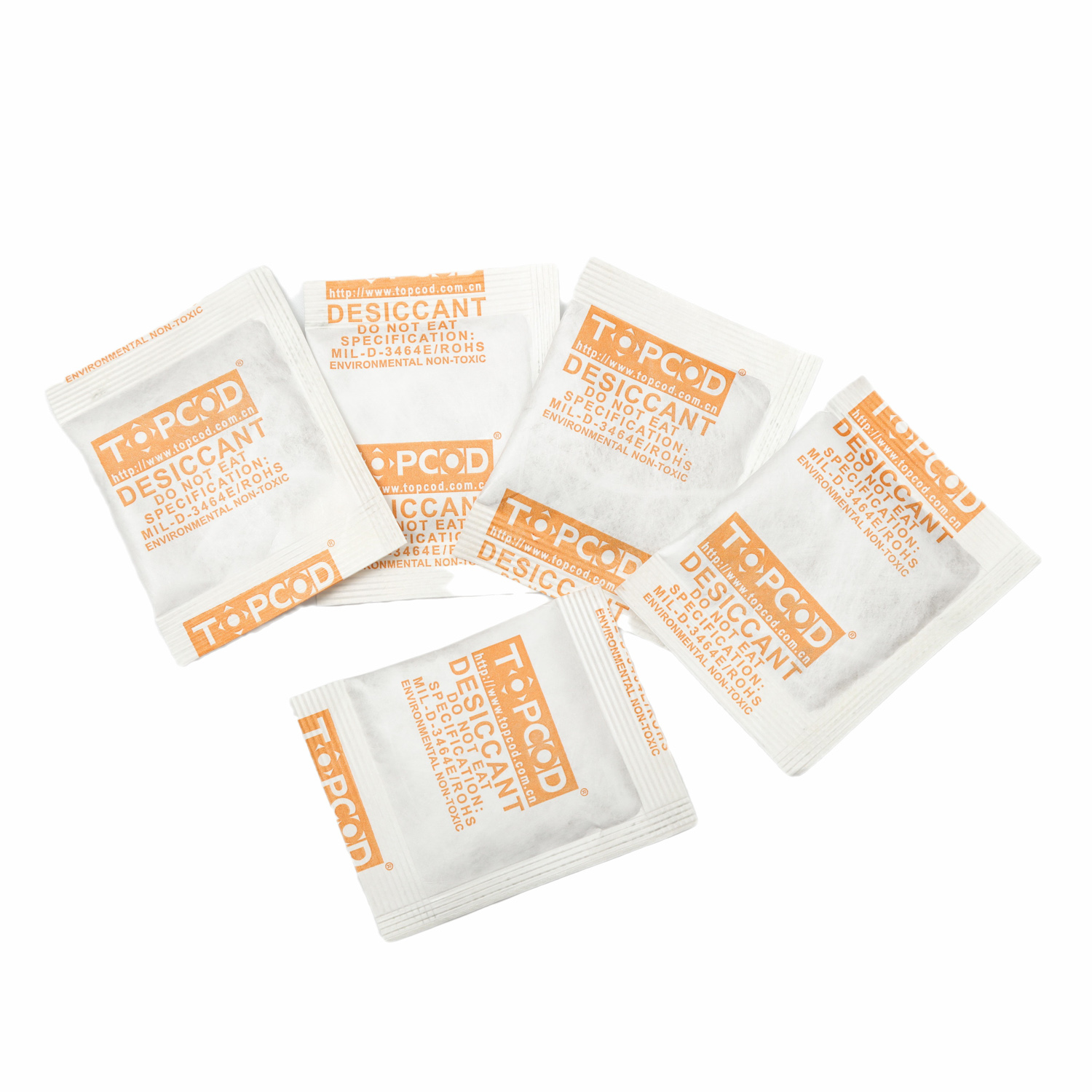
Incorrect regeneration can reduce adsorption performance. It can also create avoidable safety problems. Understanding common mistakes helps maintenance teams improve consistency.
Some operators assume higher temperatures always improve drying efficiency. This approach can damage indicator dyes and other product components. It may also affect the material's intended performance.
Follow the manufacturer's specified temperature range. Use calibrated equipment and monitor the heating process. Avoid uncontrolled heating or direct contact with flames.
The correct regeneration procedure depends on product formulation. Blue and orange indicating silica gel may have different temperature limitations. Never rely on general internet recommendations alone.
Calcium chloride sachets are a common source of confusion. They absorb water and may form liquid brine. This differs from the moisture adsorption process of reusable silica gel.
For example, calcium chloride products are available in small sachets for packaging. These include calcium chloride desiccant bags used for shoes and other moisture-sensitive goods.
Once these sachets have absorbed moisture, replace them according to their product instructions. Do not attempt to dry or recharge them inside an industrial oven. Their packaging and chemical condition may make heating unsuitable.
Hot regenerated silica gel can absorb moisture quickly. This may reduce its effective capacity before installation. The problem becomes more serious in humid production environments.
Allow the material to cool in a dry, protected area. Keep it away from open doors and humid airflow. Transfer it into sealed storage as soon as practical.
Do not leave cooled material exposed for extended periods. Even properly regenerated silica gel can become saturated again. Good handling protects the effort invested in regeneration.
Repeated handling can gradually damage silica gel beads. Broken particles create dust and may affect airflow. Contaminants can also block pores and reduce adsorption performance.
Inspect the material after every regeneration cycle. Remove damaged beads and foreign substances. Replace material when its physical condition becomes unacceptable.
Also inspect the cartridge and housing. Damaged seals can undermine the entire moisture-control system. Replacing the desiccant alone will not solve a leakage problem.
There is no universal regeneration interval for every industrial facility. Moisture exposure varies between applications. Maintenance schedules should reflect actual operating conditions.
Ambient humidity strongly affects desiccant service life. High humidity increases the amount of moisture entering an exposed system. Temperature changes can also affect condensation risks.
Consider the equipment's location and operating environment. Outdoor installations may experience greater humidity fluctuations. Sealed electrical cabinets may have different moisture-control requirements.
Monitor humidity and dew point where practical. Compare readings over time. This helps identify changes before they affect equipment reliability.
Create an inspection plan for each critical application. Check the material according to its exposure conditions. Increase inspection frequency when moisture levels rise.
Record every regeneration and replacement event. Include inspection findings and measurement results. This information helps identify recurring problems.
Use performance data to adjust maintenance intervals. Avoid relying only on calendar-based replacement. Condition-based maintenance can reduce unnecessary material use.
Regeneration is not always the cheapest option. Labor, electricity, handling, and equipment costs must be considered. Repeated processing may also reduce material reliability.
Compare the cost of regeneration against new desiccant. Include downtime and quality risks in the calculation. A low purchase price does not always mean a lower operating cost.
For small packaging applications, replacement may be more practical. For larger reusable silica gel systems, controlled regeneration may offer better value. The decision should reflect total operating costs.
Regeneration is only one part of moisture management. The original product must also match the application. Choosing the correct material helps prevent premature saturation and unnecessary maintenance.
Silica gel offers a porous structure and stable physical form. It can capture moisture without normally turning into liquid. Suitable grades can also be regenerated under controlled conditions.
Blue and orange indicating varieties provide a visual reference. They can help operators monitor moisture exposure. However, indicator color should support, not replace, performance testing.
Transformer breathers are one relevant application. Silica gel helps reduce moisture entering through incoming air. The correct grade and installation design depend on equipment requirements.
Moisture absorption capacity is an important selection factor. However, advertised percentages require careful interpretation. Different materials use different absorption mechanisms and test conditions.
For instance, one silica gel product lists a capacity of at least 32%. A calcium chloride cargo desiccant lists capacity above 220%. These supplier figures are not directly comparable because the materials and applications differ.
Also consider particle size, packaging, airflow, and exposure duration. A material with high absorption capacity may still perform poorly in an unsuitable housing. Match product specifications to actual operating conditions.
Silica gel is suitable for many electrical and moisture-sensitive storage applications. Calcium chloride is often used in packaging and cargo transportation. Each material serves a different moisture-control purpose.
For small packaging requirements, 2g calcium chloride desiccant can fit compact product packaging. Larger packaging requirements may use 25g calcium chloride desiccant. Selection depends on package volume, moisture exposure, and storage conditions.
For cargo applications, hanging calcium chloride products can provide moisture protection during transportation. For reusable equipment applications, silica gel may be more suitable. Always check the product's technical documentation before purchasing.
Recharging desiccant requires proper identification, controlled heating, and regular performance checks. Reusable silica gel supports effective moisture control, while calcium chloride products protect packaging and cargo.
Foshan Shunde Topcod Industry Co., Ltd. provides desiccant solutions for industrial and packaging needs. Its products help reduce moisture risks and protect goods during storage and transportation.
A: Inspect, heat, cool, and test reusable silica gel under controlled conditions.
A: Silica gel supports regeneration. Calcium chloride generally requires replacement.
A: Follow manufacturer guidelines. Silica gel products may specify 80–120°C.
A: Inspect saturation regularly and regenerate based on moisture exposure and performance.
A: Replace contaminated, damaged, or non-reusable desiccants instead.

