
T: +86-757-2339-5985
E: tp@topcod.com.cn
E: tp@topcod.com.cn
No.6, Pai Sha Industrial Road, Pai Sha Community, Longjiang Town, Shunde District, Foshan City, Guangdong Province, China.
Views: 0 Author: Site Editor Publish Time: 2025-12-26 Origin: Site


Excess moisture can cause mold, corrosion, and damage to materials. Managing humidity is vital in industries and homes. Calcium chloride is a hygroscopic compound that works well as a dehumidifier.In this article, we will explain how calcium chloride works as a dehumidifier. You'll learn its applications in various environments.At Topcod, we offer reliable container desiccant for moisture control. Learn more about our products today!
Calcium chloride (CaCl2) is an inorganic salt commonly found as white, granular, or flake-like solids. It is widely used due to its hygroscopic nature—meaning it naturally absorbs moisture from the air. This property makes calcium chloride an excellent choice for controlling humidity, especially in environments prone to high moisture levels.
Typically, calcium chloride is used in pellet, flake, or granular forms. It is packed into dehumidification bags or pouches that absorb moisture from surrounding air. These desiccants work by drawing in water vapor and converting it into a brine solution, providing efficient moisture control. This form of dehumidifier is ideal for controlling humidity in areas like shipping containers, warehouses, and homes.
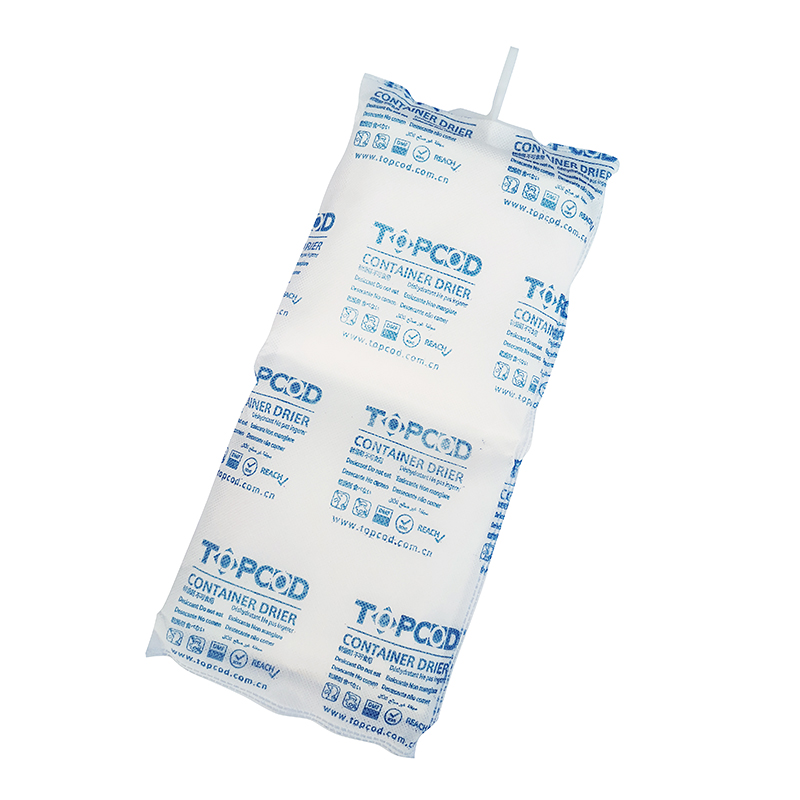
Calcium chloride is highly effective in absorbing moisture due to its hygroscopic properties. When exposed to humid air, calcium chloride draws in moisture, which is then absorbed into the desiccant. This process prevents water from condensing on surfaces and keeps the surrounding environment dry. For instance, a simple calcium chloride-based desiccant can absorb up to three times its own weight in moisture.
Compared to other desiccants, calcium chloride is highly efficient at absorbing moisture. It works efficiently in areas with high humidity, where it provides long-lasting protection. The ability to absorb such a large volume of moisture makes calcium chloride dehumidifiers ideal for warehouses, shipping containers, and homes with excess humidity.
Due to its exceptional moisture-absorbing ability, calcium chloride is used in various environments:
● Shipping Containers: Prevents cargo sweat and condensation during ocean shipments.
● Warehouses: Ensures goods, especially electronics and clothing, are protected from humidity.
● Basements: Commonly used in homes to protect against mold and mildew growth.
Feature | Calcium Chloride | Silica Gel | Electric Dehumidifiers |
Moisture Absorption | Absorbs up to 600% of its weight in water | Absorbs a small percentage of its weight | Varies based on model, high moisture removal |
Cost | Low cost, no electricity required | Low cost, reusable | High upfront cost and operational costs |
Maintenance | Replace when dissolved | Reusable, clean when necessary | Requires regular cleaning and upkeep |
Environmentally Friendly | Safe, non-toxic, biodegradable | Non-toxic, but may have chemical additives | Energy consumption may affect environmental footprint |
Ideal Usage | High humidity areas, warehouses, shipping | Small, confined spaces like closets | Large areas, continuous use for home/industrial settings |
One of the main advantages of calcium chloride is its high moisture absorption capacity. It can absorb moisture up to three times its weight, which is significantly higher than other types of dehumidifiers. This makes it perfect for areas where excess humidity can cause damage to goods or the environment.
Calcium chloride dehumidifiers are often more affordable than electric dehumidifiers, especially when used for small to medium-sized areas. These desiccants don’t require electricity and are low-maintenance, making them a practical and economical solution for moisture control in both residential and industrial settings.
Calcium chloride is a naturally occurring substance, which means it is a safer and more eco-friendly alternative to chemical-based dehumidifiers. Additionally, it is non-toxic and doesn’t pose environmental risks when disposed of correctly, making it suitable for a wide range of applications.
Calcium chloride dehumidifiers are often used in shipping containers to protect products from moisture damage during transport. They effectively prevent issues like container rain and cargo sweat, which are common in long-distance ocean shipments. These desiccants help ensure that sensitive goods like electronics, textiles, and agricultural products remain intact during their journey.
In industries such as manufacturing and food processing, calcium chloride helps control humidity levels, preventing moisture-related damage to materials and machinery. It is also used in warehouses to protect stored items from rust, mold, and mildew, ensuring that both raw materials and finished goods are kept dry.
In homes, particularly in damp areas like basements, calcium chloride dehumidifiers prevent mold growth and protect furniture, electronics, and other moisture-sensitive goods. They are an affordable, low-maintenance solution for maintaining a dry and healthy environment.
Application Area | How Calcium Chloride is Used | Benefits |
Shipping and Storage | Prevents moisture damage to goods during transport | Protects electronics, textiles, and agricultural products |
Industrial and Commercial | Used in warehouses to protect goods, materials, and machinery | Reduces rust and mold growth, preserving equipment and products |
Home Use | Ideal for basements and closets to reduce mold and mildew | Protects furniture, electronics, and air quality |
Food Storage and Preservation | Used to maintain humidity levels during storage | Helps keep food dry and fresh, reducing spoilage |
Using calcium chloride dehumidifiers is simple and straightforward. These desiccants are placed in containers or bags, which are then placed in areas with high humidity. For optimal performance, the desiccant should be placed in spaces where moisture levels are the highest.
Calcium chloride desiccants need to be replaced when they have absorbed their maximum moisture capacity. The desiccant dissolves into a brine solution as it absorbs water, and when this happens, it must be replaced to maintain effective moisture control. This process is easy and cost-effective, as only the desiccant needs to be swapped out, rather than requiring a full machine replacement.
While calcium chloride is generally safe, handling it with care is important. It can cause skin irritation, so wearing gloves when handling the material is recommended. It should also be stored in a dry, cool place to avoid premature absorption of moisture from the air.
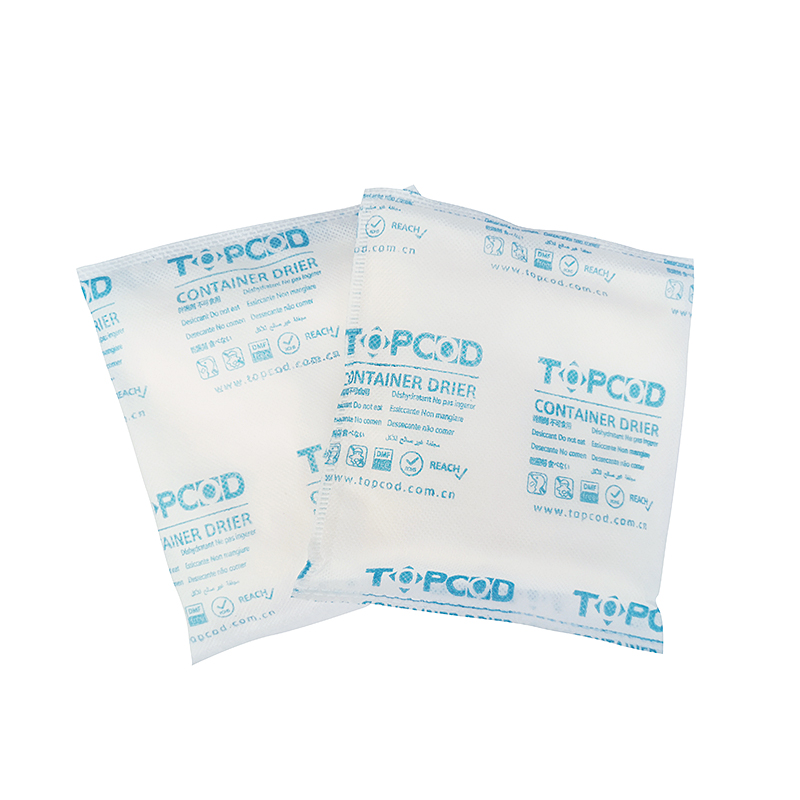
Using calcium chloride dehumidifiers is straightforward and simple. The desiccants are placed in pouches or containers that can be strategically placed in areas where moisture tends to accumulate. For optimal performance, ensure that the desiccant is positioned in spaces with the highest humidity, such as basements, closets, or storage rooms. The desiccant works by absorbing the surrounding moisture, helping maintain a dry environment.
As the calcium chloride absorbs moisture, it gradually dissolves into a brine solution. Once the desiccant has reached its maximum moisture absorption capacity, it must be replaced to ensure continued effective moisture control. Fortunately, replacing calcium chloride dehumidifiers is easy and cost-effective, as only the desiccant material needs to be swapped out. There is no need for replacing any complex machinery or equipment, making it a convenient option for both homeowners and businesses.
While calcium chloride is generally safe to use, it is important to handle it with care. The compound can cause skin irritation, so it’s recommended to wear gloves when handling it. Additionally, calcium chloride should be stored in a cool, dry place to prevent it from absorbing moisture prematurely, which would reduce its effectiveness. By following these basic safety guidelines, you can use calcium chloride dehumidifiers effectively and safely.
Both calcium chloride and silica gel are effective desiccants, but calcium chloride generally performs better in high-humidity environments. While silica gel can absorb moisture, calcium chloride has a much higher absorption capacity, allowing it to absorb more moisture from the air. This makes it an ideal choice for areas with persistent or high humidity, such as basements or shipping containers. While silica gel is reusable, calcium chloride’s ability to absorb larger quantities of moisture makes it a more efficient option for intense dehumidification needs.
Electric dehumidifiers are commonly used to control humidity, but they require electricity to function, which can lead to higher operational costs. In contrast, calcium chloride dehumidifiers require no power, making them a cost-effective solution for humidity control. They are particularly useful in areas where electricity is not readily available or affordable. Additionally, calcium chloride dehumidifiers are portable and can be used in small or confined spaces, whereas electric dehumidifiers tend to be bulkier and require more maintenance.
Calcium chloride is a naturally occurring substance, making it an eco-friendly option for moisture control. Unlike chemical-based desiccants, it does not pose a risk to the environment when disposed of responsibly. It is non-toxic and does not release harmful chemicals into the air, making it safe for both users and the environment. By choosing calcium chloride as a dehumidifier, you contribute to a sustainable approach to managing moisture without harming the planet.
The packaging used for calcium chloride dehumidifiers is often recyclable, reducing waste and contributing to sustainability efforts. Once the calcium chloride has absorbed enough moisture and dissolved into brine, it should be properly disposed of according to local environmental regulations. Proper disposal ensures minimal environmental impact and allows for responsible management of the material. Additionally, because calcium chloride is biodegradable, it is a safer choice compared to some other chemical-based dehumidifiers that may pose disposal challenges.
Dehumidifier Type | Initial Cost | Operational Cost | Maintenance Cost | Lifespan |
Calcium Chloride | Low (one-time cost) | Zero (no electricity) | Low (replace as needed) | Long-lasting, affordable |
Silica Gel | Moderate (small packets) | Zero (reusable) | Low (reusable) | Long-lasting |
Electric Dehumidifiers | High (upfront cost) | High (electricity required) | Moderate (requires cleaning and parts replacement) | Varies, depending on usage |
Calcium chloride dehumidifiers provide an efficient and affordable solution for controlling moisture. They are ideal for shipping, storage, and home use due to their impressive moisture absorption, low maintenance, and cost-effectiveness. At Topcod, our calcium chloride-based products offer excellent moisture control, protecting valuable goods and ensuring a dry, healthy environment. Their versatility and eco-friendly nature make them the preferred choice for many industries and applications.
A: Calcium chloride is hygroscopic, meaning it absorbs moisture from the air. It collects water and forms a brine solution, effectively reducing humidity levels in the environment.
A: Yes, calcium chloride is non-toxic and environmentally safe when used properly. It's ideal for use in homes, warehouses, and shipping containers to control humidity.
A: Calcium chloride dehumidifiers last until they have absorbed enough moisture to form a brine solution. The frequency of replacement depends on the humidity levels in the area.
A: Calcium chloride is cost-effective, requires no electricity, and offers excellent moisture absorption, making it an efficient solution for moisture control in various environments.


