
T: +86-757-2339-5985
E: tp@topcod.com.cn
E: tp@topcod.com.cn
No.6, Pai Sha Industrial Road, Pai Sha Community, Longjiang Town, Shunde District, Foshan City, Guangdong Province, China.
Views: 0 Author: Site Editor Publish Time: 2026-10-14 Origin: Site


You cut open a freshly delivered package. Inside? Mold, condensation, or rust. Whether you are unpacking machined automotive rotors or sensitive circuit boards, discovering a bloom of orange oxidation means one thing. A failed moisture control strategy. This is a frustrating and costly scenario that plagues supply chains worldwide.
Tossing a moisture packet inside a box is not a real fix. It is a gamble. The effectiveness of any humidity regulation strategy relies heavily on exactly where and how that packet is positioned. Strategic placement ensures maximum absorption and prevents catastrophic degradation across sensitive semiconductor electronics, luxury leather goods, and heavy industrial machinery.
We will break down the precise mechanics of placing desiccants inside your packaging. We will also detail the differences between various moisture absorbers, highlight common operational mistakes on the assembly line, and provide actionable engineering insights for optimal product safety.
To understand why positioning is critical, look at the basic thermodynamics of humidity. Current supply chain data reveals a massive shift in packaging engineering. With the surge in cross-border e-commerce and the global transport of sensitive electric vehicle batteries, standard protocols are failing. Shippers now face extreme temperature swings across distinct climate zones. This has sparked a strict demand for data-driven industrial moisture control. Blindly throwing a packet into a carton no longer meets modern compliance standards.
Desiccants pull suspended water vapor from the surrounding air through adsorption. This physical mechanism requires the active material to interact directly with the air volume it must keep dry. If the placement is incorrect, the desiccant simply cannot breathe. Burying the packet under dense foam isolates it from the main air cavity. Consequently, the relative humidity inside the package remains dangerously high. The packet dries only a tiny pocket of air while leaving the rest of the product vulnerable.
Micro-climates form easily inside a single shipping crate. Temperature fluctuations during transit cause trapped air to expand and contract. This shifts moisture from one zone to another. Poor positioning creates a severe imbalance. If an operator dumps all packets into the bottom left corner of a wooden crate, that specific area stays dry. Meanwhile, the top right corner experiences a localized dew point drop, leading to condensation. Proper placement maximizes the lifespan and absorption capacity of every single packet, optimizing costs and reducing material waste.
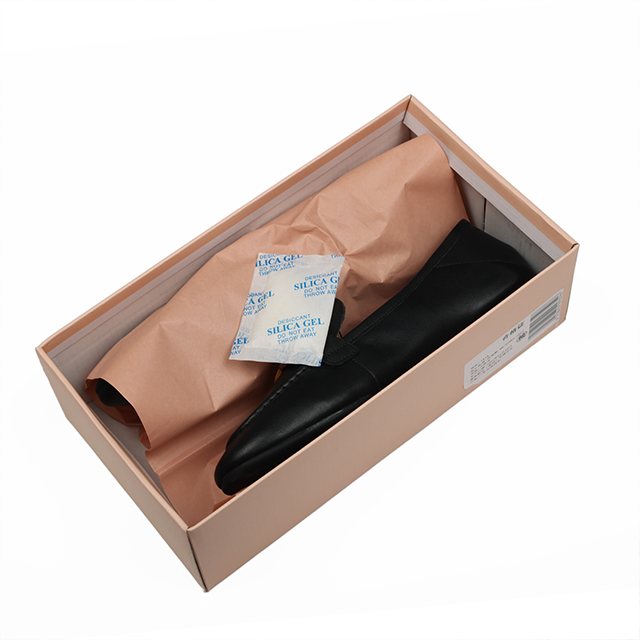
The absolute golden rule of dry packaging is simple. The desiccant must go inside the primary sealed enclosure alongside the product. This enclosure is typically a foil pouch, a high-density polyethylene bag, or a specialized moisture barrier bag. Corrugated cardboard is highly porous. It possesses a very high moisture vapor transmission rate. If a worker places a packet inside the cardboard box but outside the sealed plastic bag, it will rapidly absorb moisture from the cardboard itself. It will also pull humidity from the ambient outside air, offering zero protection to your actual product.
The physical size and complex geometry of the packaging dictate your layout strategy. Small boxes, like shoeboxes or hard drive enclosures, require a centralized approach. Placing one or two packets on top of or beside the item is usually sufficient. The internal air volume is small enough that a single packet can easily regulate the entire micro-environment.
Medium crates housing server racks or engines demand a distributed strategy. Placing packets at the four corners and the center prevents localized micro-climates. This ensures uniform humidity reduction. For large pallets of bulk goods, a highly distributed placement layered throughout the pallet intercepts moisture before it migrates between product layers. Distributing multiple smaller packets provides a larger combined surface area. This significantly accelerates the rate of moisture removal.
Think of a moisture absorber like a sponge. If you press a sponge completely flat against a glass table, it cannot absorb a spill. Similarly, desiccants rely on exposed surface area to capture water molecules. Packaging operators must never tape packets completely flat against solid surfaces. Doing so blocks the microscopic pathways that allow moisture to enter. Packets must never wedge so tightly into crevices that air circulation stops.
Your placement strategy depends heavily on the specific chemical properties of the moisture absorber. Different materials exhibit vastly different absorption rates, physical behaviors, and safety profiles.
This material consists of highly porous, synthetic silicon dioxide beads. It is chemically inert, non-toxic, and maintains its physical shape as it adsorbs moisture. It serves as the industry standard for electronics, footwear, pharmaceuticals, and optical instruments. When specifying a silica gel desiccant, you look for stability. High-quality variants achieve an absorption capacity of roughly 30 percent of their own weight at 25 degrees Celsius and 80 percent relative humidity. Because it is non-corrosive, it is perfectly safe to place in close proximity to most materials. It performs exceptionally well in tightly sealed environments with moderate temperature fluctuations.
Unlike inert silica, calcium chloride is a highly aggressive, deliquescent moisture absorber. It undergoes a chemical reaction as it traps water, often turning from a dry powder into a thick gel. Engineers specify a calcium chloride desiccant for extreme applications like agricultural exports, long-haul ocean shipping, and heavy machinery protection. These units can absorb 200 to 300 percent of their own weight in moisture. Because the pouch physically swells as it absorbs massive amounts of water, operators must place it with strict spatial awareness. The swollen pouch must not press tightly against fragile components. It must never sit where a puncture could leak brine onto sensitive metal parts.
Electronic components and printed circuit boards are notoriously susceptible to ambient moisture and static electricity. Operators must carefully place packets inside an electrostatic discharge moisture barrier bag. Engineers almost always pair them with a humidity indicator card. Place the desiccant and the indicator card together within the same air cavity. This ensures the card accurately reflects the exact climate the product experiences. Separating them results in false readings.
Consumable goods demand strict adherence to safety and toxicity standards. Placement must comply with food-grade regulations. The packaging material of the desiccant itself must be non-toxic and tear-resistant. High-speed automated packaging lines often prefer rigid drop-in canisters over flexible packets. Machinery can dispense canisters accurately into pill bottles without jamming on the line.
Organic materials like leather and heavy cotton naturally hold a baseline percentage of moisture. If they become too damp, mold proliferates. If they become overly dry, leather can crack. Workers should place packets loosely inside the shoebox or garment bag. Avoid crushing the packet tightly against dyed leather. Extreme localized dryness or physical friction can draw out natural oils and damage the finish.
Bare metal parts and engine blocks are highly prone to rapid oxidation during transit. Suspend desiccants or place them in specialized trays within a heavy-duty foil barrier. Industrial shippers frequently use them in synergy with volatile corrosion inhibitor packaging. While the desiccant removes the bulk of the water vapor, the corrosion inhibitor emits a protective molecular layer onto the metal. Ensure the packets do not physically block these protective vapors from circulating.
Dealing with a single smartphone box or a sterilized medical device pouch requires a focus on proximity and spatial efficiency. The packet should rest as close to the sensitive components as possible without causing physical obstruction. In these confined spaces, the internal air volume is minimal. An appropriately sized packet placed anywhere within the sealed barrier works effectively.
Macro-packaging presents a completely different set of thermodynamic challenges. Metal shipping containers experience drastic temperature drops from day to night on the ocean. Moisture suspended in the warm air condenses on the cold ceiling. This drips down as container rain. To combat this, placement must focus on the upper airspace. Hang absorbent strips or poles from built-in ceiling hooks along the corrugated walls. Position them safely above the cargo to intercept rising water vapor before it reaches the dew point.
Even the highest quality moisture absorbers fail if placed improperly. Through empirical observation on the factory floor, we see operators making the same critical errors repeatedly.
Corrugated cardboard and standard paperboard naturally draw moisture from the ambient environment. Placing a packet inside a cardboard box but outside the primary sealed barrier is a massive error. The packet will exhaust itself absorbing moisture from the cardboard and the humid warehouse atmosphere. The pouch must always sit sealed inside the barrier alongside the sensitive item.
Workers sometimes wrap packets in additional plastic wrap to keep things clean. Others bury them beneath dense, non-breathable polyurethane foam. Obstructing the porous surface halts the capillary action necessary to pull water vapor from the air. Packets must reside in a void space where micro-currents of air circulate freely.
Using a single, oversized bag in one corner of a large crate is highly inefficient. The area immediately surrounding that large bag achieves a low relative humidity. However, the furthest corners remain dangerously humid due to poor air circulation. Evenly distributing multiple smaller packets throughout the packaging space yields significantly faster and more uniform moisture absorption.
Moisture absorbers do not feature an off switch. They begin adsorbing moisture the precise moment they leave their master packaging. Leaving bulk quantities exposed on a packing table for several hours is a frequent procedural failure. On a humid factory floor, packets can exhaust half of their total capacity before the box is ever sealed. Operators should only expose the exact number of units needed for the immediate production run.
Strategic placement means nothing if the total absorption capacity is insufficient to handle the moisture load. Calculating the precise amount required relies on volumetric analysis, material science, and environmental forecasting.
Engineers must account for several critical variables. First is the internal volume of the sealed packaging. A larger volume of trapped air means more initial moisture to neutralize. Second is the moisture vapor transmission rate of the barrier material. A high-barrier foil pouch has an exceptionally low transmission rate, requiring less desiccant over time. A standard low-density polyethylene bag demands a larger quantity to manage the continuous ingress of moisture.
Industrial packaging requirements often use standardized military formulas based on desiccant units. A simplified baseline formula multiplies the area of the barrier by the transmission rate of the material and the months of storage, divided by the absorption capacity per unit.
When calculating for extended ocean freight facing extreme temperature fluctuations, aggressive absorbers change the math. Because they absorb up to three times their weight, shippers can use fewer packets while achieving greater overall moisture extraction.
Cross-reference the internal volume of your packaging with these empirical performance metrics to establish a precise, data-driven approach.
| Desiccant Type | Absorption Capacity at 25 Celsius, 80% RH | Optimal Application Environment | Recommended Placement Strategy |
|---|---|---|---|
| Silica Gel | Roughly 30% of its own weight | Electronics, pharmaceuticals, consumer goods. | Distributed evenly inside sealed moisture barrier bags. |
| Calcium Chloride | 200% to 300% of its own weight | Ocean freight containers, heavy machinery, agriculture. | Hung vertically near the top of containers or placed in secure trays. |
| Bentonite Clay | Roughly 25% of its own weight | Automotive parts, standard industrial components. | Placed centrally in standard poly bags for short-term transit. |
| Molecular Sieve | Roughly 20% of its own weight | Medical devices, highly sensitive diagnostics requiring rapid action. | Placed in immediate proximity to the critical component. |
Proper placement requires meticulous attention to detail on the assembly line. Utilize a completely sealed barrier, ensure continuous airflow, and distribute units evenly to prevent localized damage. Choosing the correct moisture absorber type tailored to your specific product is equally vital.
In most commercial applications, yes. Standard silica enclosed in high-quality Tyvek or medical-grade paper is chemically inert. It will not react with or degrade the surfaces it touches. However, caution is required when dealing with highly polished metals, chemically sensitive compounds, or consumable goods. For food and pharmaceuticals, verify that the packet is explicitly rated as food-safe. Place aggressive absorbers in trays or suspend them to mitigate any leakage risks if the pouch suffers physical damage.
The answer depends entirely on the scale of the packaging. In small, tightly sealed consumer boxes, the thermodynamic differences between top and bottom are negligible. Placement simply relies on ensuring adequate airflow. In macro-packaging scenarios like ocean shipping containers, placement height is critical. Warm, humid air naturally rises. When temperatures drop, this humidity hits the cold ceiling, condenses, and drips down. Hanging packets near the top of large enclosures captures moisture before it condenses.
The lifespan is not determined by time, but by the volume of moisture it is exposed to. Inside a perfectly sealed, high-barrier foil bag, a properly sized packet can maintain a dry environment for one to three years. It only has to absorb the initial trapped moisture. If the same packet sits in a loosely taped cardboard box or a thin plastic bag, it continuously absorbs moisture from the outside atmosphere. It will become completely exhausted in a matter of days.
From a chemical engineering standpoint, mixing different types of absorbers within the same sealed environment is counterproductive. Different materials have different equilibrium vapor pressures. Calcium chloride is an aggressive absorber that maintains a very low relative humidity. If placed alongside silica, it drives the ambient humidity so low that it causes the silica to undergo desorption. The silica releases its trapped moisture back into the air, forcing the aggressive absorber to work harder. Always select one appropriate type for your specific needs.
The exact quantity depends on the moisture content of the cargo, the packaging materials used, and the shipping route. As a baseline rule for standard ocean freight, engineers typically recommend 4 to 6 kilograms of high-capacity calcium chloride for a 20-foot container. This is usually divided into 1-kilogram hanging poles or strips distributed evenly along the container walls. Highly moisture-rich cargo like agricultural products may require double this amount to prevent container rain.
Absolutely. The barrier material dictates both the placement and the required capacity. A high-barrier aluminum foil pouch prevents outside moisture from entering, meaning you only need to place a small packet inside to handle the trapped air. Conversely, a standard polyethylene bag breathes. Moisture slowly permeates the plastic. In this scenario, you must place larger or multiple packets centrally to continuously fight the incoming moisture load over the duration of transit.
Stop leaving your product quality to chance. A few drops of condensation can ruin an entire shipment, leading to rejected deliveries and damaged brand reputation. Contact our team of packaging engineers and visit Topcod to explore our full range of high-efficiency moisture absorbers. We will analyze your supply chain variables and help you implement the exact data-driven solutions needed to guarantee your products arrive in pristine condition.


