
T: +86-757-2339-5985
E: tp@topcod.com.cn
E: tp@topcod.com.cn
No.6, Pai Sha Industrial Road, Pai Sha Community, Longjiang Town, Shunde District, Foshan City, Guangdong Province, China.
Views: 0 Author: Site Editor Publish Time: 2026-06-30 Origin: Site


Electrostatic discharge quietly drains company profits every single day. You rarely see immediate, smoking failures when dealing with sensitive electronics. Instead, microscopic voltage spikes cause invisible latent defects. These hidden scars silently weaken semiconductors. Weeks or months later, these components fail unexpectedly in the field. Such latent damage heavily inflates your warranty claims and severely damages brand reputation.
Modern integrated circuits grow smaller and infinitely more sensitive every year. Once they leave a certified Electrostatic Protected Area (EPA), they face immense risks. Routine transit introduces severe friction and vibration. This standard movement generates dangerous electrostatic charges. You cannot rely on basic plastic wrappers to shield these vulnerable parts.
Selecting proper protective materials serves as a strict compliance requirement. It functions as a critical risk-mitigation investment rather than a simple logistical consumable. We will explore how different materials actively block static fields. You will learn how to evaluate shielding specifications and implement foolproof handling protocols.
Inadequate packaging leads to latent component degradation, spiking RMA rates and warranty costs.
Selecting between an anti static bag and an ESD shielding bag depends strictly on the component’s sensitivity and transport environment.
Reliable electronic protective packaging must comply with industry standards (e.g., ANSI/ESD S20.20 or IEC 61340-5-1).
Physical wear, humidity, and improper handling protocols can compromise even the highest-grade packaging materials.
Failing to protect electronic components carries severe financial consequences. Many organizations underestimate the true impact of electrostatic discharge (ESD). They often assume damage only happens when a visible spark occurs. This misconception creates massive blind spots in quality control processes.
Catastrophic failures happen instantly. A high-voltage static shock melts a semiconductor junction entirely. The part dies immediately. Quality assurance teams easily catch these dead components before shipment. However, catastrophic damage accounts for merely 10 percent of all ESD events.
Latent failures represent the other 90 percent. A smaller static strike partially degrades an internal circuit. The component still passes routine factory testing perfectly. It ships to the customer and operates normally for a short time. Eventually, normal operating stress causes the weakened circuit to snap. This premature field failure heavily inflates warranty claims. It forces expensive recalls and ruins customer trust.
Cleanrooms and EPAs provide safe havens for bare circuit boards. Specialized flooring and grounded personnel eliminate stray voltages. Unfortunately, components eventually must leave these safe zones. The supply chain introduces constant physical motion.
Trucks vibrate continuously on highways. Warehouse workers slide boxes across metal racks. Conveyor belts rub against shipping cartons. This constant friction causes tribocharging. Tribocharging generates massive static fields on standard plastics and foams. Without proper protection, these accumulated charges discharge directly into your sensitive microchips.
Major manufacturers refuse to gamble on questionable packaging. Original Equipment Manufacturers (OEMs) demand strict adherence to certified ESD control programs. Defense and aerospace contractors strictly enforce standards like ANSI/ESD S20.20 or IEC 61340-5-1. These frameworks mandate rigorous material testing and specific packaging protocols.
Failing to use compliant electronic protective packaging carries severe penalties. Auditors routinely inspect supply chain practices. Non-compliance often results in immediate contract termination. You must prove your packaging meets international safety standards at every logistical step.
You cannot use a one-size-fits-all approach for static protection. Different materials perform entirely different jobs. Understanding the underlying mechanisms ensures you select the right defense layer.
Engineers chemically treat pink poly films to alter their surface properties. This chemical layer absorbs moisture from the surrounding air. The moisture creates a slightly conductive surface.
Mechanism: The material strictly prevents the generation of static charge. Sliding parts inside the bag will not create triboelectric charges. This represents a low-charging property.
Limitation: It offers zero protection against external static fields. If a charged person touches the bag, the voltage easily passes through the plastic into the contents.
Use Case: You should only use a standard anti static bag for non-sensitive items. They work well for storing nuts, bolts, or paper manuals inside an EPA. Never place bare microchips inside them.
These semi-transparent, silver-colored bags provide aggressive protection. Manufacturers build them using multiple distinct layers. A thin layer of vaporized aluminum sits trapped between durable plastics.
Mechanism: The continuous metal layer creates a "Faraday cage" effect. When a static strike hits the bag, the metal layer rapidly dissipates the energy across its surface. It actively blocks external static fields from penetrating the interior.
Use Case: You must use an ESD shielding bag when transporting sensitive ICs, bare printed circuit boards (PCBs), or hard drives outside an EPA.
Polyethylene (PE) offers excellent flexibility and physical protection. Manufacturers blend special anti-static agents directly into the raw PE resin before extrusion.
Mechanism: The infused agents migrate to the surface over time. They prevent static buildup while offering superior cushioning compared to thin metalized films.
Use Case: An ESD PE pouch provides cost-effective, flexible storage. You can use them for intermediate sub-assemblies. They also work brilliantly as secondary packaging inside rigid conductive totes.
Some components fear humidity just as much as static electricity. Surface Mount Devices (SMDs) easily absorb atmospheric moisture. When you subject these damp components to high heat during reflow soldering, trapped moisture rapidly expands into steam. This cracks the component open in a phenomenon known as the "popcorn effect."
Mechanism: MBBs combine a heavy aluminum foil layer with static-dissipative plastics. The thick foil blocks both static fields and water vapor simultaneously.
Use Case: They remain absolutely essential for shipping and storing SMDs. You must vacuum-seal them alongside desiccants and humidity indicator cards.
Packaging Type | Primary Mechanism | External Field Protection | Ideal Application |
|---|---|---|---|
Pink Poly Bag | Prevents static generation | None | Non-sensitive hardware inside EPA |
Metalized Shielding Bag | Faraday cage dissipation | High | PCBs and ICs shipped outside EPA |
PE Pouch | Infused low-charging resins | Low/None | Sub-assemblies in conductive totes |
Moisture Barrier Bag | Vapor and static block (Foil) | Maximum | SMDs requiring dry-packing |
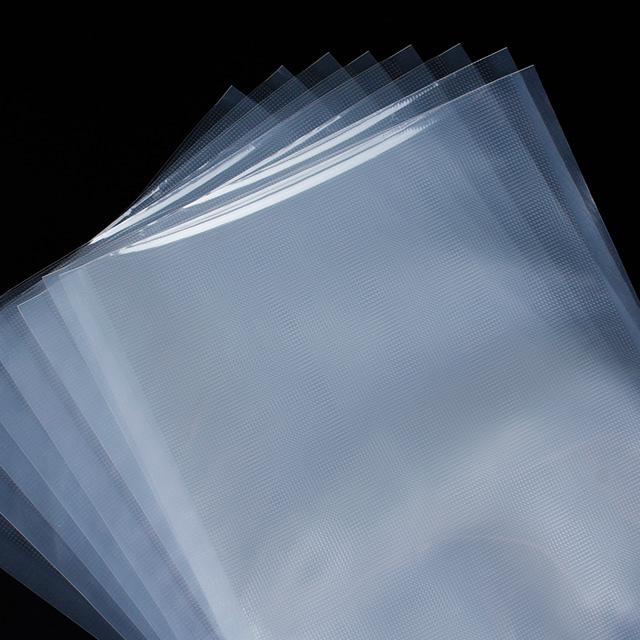
You must map your packaging choices directly to component vulnerabilities. Guessing often leads to catastrophic material failures. Use this systematic framework to ensure adequate protection.
Determining the Human Body Model (HBM) Sensitivity: First, identify the exact static voltage threshold of your specific components. The Human Body Model simulates a typical static discharge from a human finger. Some modern microprocessors suffer severe damage from just 20 volts. You must select packaging materials rated to defend against your component's lowest HBM threshold.
Surface Resistance vs. Shielding Effectiveness: Surface resistance dictates how fast electrical charges travel across the material. You typically want a surface resistance between 104 to 1011 ohms. This range dissipates charges safely without acting as a direct conductor. Shielding effectiveness measures energy penetration. High-quality shielding bags limit energy penetration to less than 50 nanojoules. Verify these exact specifications on the manufacturer's datasheet.
Physical Durability: Electrical properties mean nothing if the physical bag fails. Evaluate puncture resistance and tear strength carefully. Printed circuit boards often have sharp solder points or protruding pins. If a sharp pin creates a microscopic puncture in the metalized layer, it completely negates the protective value. The Faraday cage breaks entirely. You must specify thicker gauge plastics for heavier or sharper components.
Transparency Requirements: Optical clarity deeply impacts warehouse operations. Workers need to scan barcodes and inspect contents without opening the bag. Opening the bag outside an EPA instantly exposes the component to danger. However, increasing transparency usually requires thinning the metal shielding layer. You must weigh the need for clear visual inspection against the required level of heavy metalization.
Buying premium bags solves only half the problem. Human behavior routinely sabotages excellent protective materials. You must enforce strict handling protocols on your warehouse floor.
Many procurement teams try to save money by reusing metalized bags. This operational mistake destroys your defensive posture. Shielding bags consist of incredibly thin microscopic metal layers. Every time a worker folds, creases, or crinkles the bag, micro-fractures form in the metal grid.
These fractures break the continuous Faraday cage. The bag might look perfectly fine to the naked eye. However, static fields will leak directly through the broken metal seams and destroy the internal components. You should treat all metalized shielding materials as strict single-use items.
An open bag offers absolutely zero external protection. Static electricity behaves like water. It flows around obstacles and enters through any open gap. A bag only shields its contents if you close it properly.
Best Practices for Sealing:
Use commercial heat sealers to create an airtight bond across the entire opening.
If heat sealing is impossible, fold the top over at least twice.
Secure the fold firmly using designated ESD-safe tape.
Common Mistakes:
Stapling bags shut. Metal staples act as conductive antennas, funneling static directly inside.
Using standard office tape. Unrolling office tape generates massive static charges.
Leaving the bag partially open for "easy access."
Chemical anti-static treatments do not last forever. Standard pink poly materials rely on migrating chemical additives. These chemicals interact with ambient humidity to remain effective. Over time, these chemicals dry out or evaporate.
Under extreme dry conditions, pink bags lose their protective traits entirely. You must implement strict inventory rotation practices. Follow the First-In, First-Out (FIFO) method for all packaging supplies. Always discard standard chemically treated bags if they exceed their manufacturer-stated shelf life.
Your protective strategy relies entirely on your manufacturing partner. Substandard vendors frequently ship counterfeit or untested materials. You must vet your suppliers aggressively.
Never buy untraceable protective materials. Reliable suppliers provide rigorous Certificates of Compliance (CoC) for every single shipment. They embed lot traceability numbers directly onto the materials. If a failure occurs on your assembly line, you need the ability to trace the exact batch of plastic back to the factory floor. Ask your vendor to provide recent third-party laboratory test results confirming their shielding effectiveness limits.
Standard bag sizes rarely fit complex assemblies perfectly. Forcing large boards into small bags causes dangerous stress tears. Putting small parts into oversized bags wastes precious shipping volume and increases transit vibration. Evaluate the supplier's ability to provide custom sizing and specific printing options. A strong vendor will design custom configurations to reduce your wasted material and optimize your overall freight density.
Avoid piecing together solutions from five different vendors. Mixing different chemical treatments often causes adverse reactions. Certain anti-static foams might chemically degrade a specific moisture barrier film. Prioritize vendors who offer a holistic, integrated range of products. They should supply your bags, conductive foams, rigid totes, and desiccants together. This ensures perfect chemical and physical compatibility across your entire protection strategy.
Proper static protection functions as a mandatory insurance policy against unpredictable supply chain variables. Neglecting these standards invites catastrophic field failures and destroys profitability.
Next Steps for Your Team:
Audit your current packaging specifications against your actual component failure rates immediately.
Identify any areas where workers improperly reuse single-use metalized materials.
Verify your supplier provides complete Certificates of Compliance for every batch.
Update your handling protocols to prohibit stapling or improper taping of protective enclosures.
Do not wait for a spike in warranty claims to fix your processes. Request material samples, review compliance certificates, and schedule a consultation with an expert supplier today. Ensure you match the right tier of defense to your most sensitive components.
A: Standard pink bags only prevent the generation of static electricity from friction. They do not block external fields. Silver metalized bags contain a continuous metal layer. This creates a Faraday cage that actively blocks external static strikes from reaching the component inside.
A: Yes. Pink poly bags rely on chemical treatments that degrade over time, usually expiring within 12 to 24 months depending on ambient humidity. Metalized shielding bags maintain their protective properties longer, but physical wear, creasing, and microscopic fractures quickly ruin their effectiveness.
A: Standard silver or pink bags do not stop moisture penetration. To protect against humidity, you must use specific Moisture Barrier Bags (MBB). These contain thick aluminum foil layers and require vacuum sealing alongside desiccants and humidity indicator cards.


