
T: +86-757-2339-5985
E: tp@topcod.com.cn
E: tp@topcod.com.cn
No.6, Pai Sha Industrial Road, Pai Sha Community, Longjiang Town, Shunde District, Foshan City, Guangdong Province, China.
Views: 0 Author: Site Editor Publish Time: 2025-12-29 Origin: Site


Excess moisture can cause mold, rust, and material damage. Desiccators are essential for moisture control. Anhydrous calcium chloride is a highly effective desiccant.In this article, we will explain why anhydrous calcium chloride is the preferred choice in desiccators. You’ll learn about its benefits and applications.At Topcod, we offer top-notch container desiccants. Learn more about our products today!
Anhydrous calcium chloride (CaCl2) is an inorganic compound that is highly hygroscopic, meaning it readily absorbs moisture from the surrounding environment. It is a white, crystalline solid without any water molecules, distinguishing it from hydrated forms of calcium chloride, which contain water in their structure. Anhydrous calcium chloride is widely used as a desiccant due to its high capacity for absorbing moisture. In fact, it can absorb up to three times its own weight in moisture, making it an ideal choice for dehumidification.
The main difference between anhydrous and hydrated calcium chloride is the presence of water molecules. Hydrated calcium chloride (such as CaCl2·2H2O) contains water that is chemically bonded to the calcium chloride, while anhydrous calcium chloride has no water molecules in its structure. The absence of water in anhydrous calcium chloride makes it more efficient at absorbing moisture from the air, which makes it superior for desiccation. The high moisture absorption capacity ensures that it provides long-lasting dryness.
Calcium chloride works as a dehumidifier by absorbing water vapor from the surrounding air. When placed in a desiccator, anhydrous calcium chloride draws in moisture, dissolving into a brine solution as it collects water. This process continues until the calcium chloride has absorbed its maximum capacity, at which point it must be replaced. Its strong ability to absorb moisture makes it an ideal material for maintaining a dry environment in closed containers.
Anhydrous calcium chloride is known for its ability to maintain low humidity levels in desiccators. It works by continuously attracting and trapping water molecules, ensuring that the air inside the desiccator remains dry. This is especially important when storing moisture-sensitive items like electronics, laboratory samples, or chemicals. Calcium chloride helps prevent mold, corrosion, and degradation, making it an essential tool in moisture-sensitive environments.
In various applications, including storage and transportation of goods like agricultural products, calcium chloride desiccants are used for their high moisture absorption rate. For example, a 200g calcium chloride dry bag can be used in agricultural product storage to absorb moisture, preventing mold and moisture damage during transit.

Silica gel is another popular desiccant often used for moisture control. While both silica gel and calcium chloride are effective moisture absorbers, anhydrous calcium chloride can absorb more moisture than silica gel, especially in high-humidity environments. Silica gel typically absorbs a smaller amount of moisture, while calcium chloride can absorb several times its weight in water. This makes calcium chloride a more efficient choice for desiccation in conditions with fluctuating humidity.
Molecular sieves, which are synthetic materials that trap moisture molecules in a porous structure, are another alternative to calcium chloride. While molecular sieves are highly efficient in removing moisture, calcium chloride is more cost-effective and works well in environments with high relative humidity. Additionally, calcium chloride has a high absorption capacity, which makes it a better option for longer-term moisture control in larger spaces or containers.
Desiccant Type | Moisture Absorption Capacity | Efficiency in High Humidity | Cost-Effectiveness | Reusability |
Anhydrous Calcium Chloride | Absorbs up to 300% of its weight | High | Low (One-time cost) | Non-reusable |
Silica Gel | Absorbs up to 40% of its weight | Moderate | Moderate | Reusable |
Molecular Sieve | Absorbs up to 20% of its weight | Very High | High | Reusable |
One of the primary reasons for using anhydrous calcium chloride in desiccators is its remarkable moisture absorption capacity. Calcium chloride can absorb up to 300% of its weight in moisture, which makes it significantly more effective than many other desiccants. This high absorption rate allows for effective moisture control over extended periods, ensuring that sensitive materials remain dry and protected.
Compared to other dehumidifying agents like electric dehumidifiers or silica gel, anhydrous calcium chloride is highly cost-effective. It does not require electricity or extensive maintenance, which makes it a low-cost option for both residential and commercial use. The only cost involved is replacing the desiccant when it reaches its saturation point, making it an affordable choice for long-term moisture control.
Calcium chloride is a naturally occurring compound, and unlike many chemical desiccants, it is non-toxic and environmentally safe. It poses minimal risks to humans and the environment when used properly. This makes it an eco-friendly alternative to other desiccants that may contain harmful chemicals. Furthermore, calcium chloride can be safely disposed of without posing a significant environmental threat.
Benefit | Explanation |
High Absorption Capacity | Absorbs up to 300% of its weight in moisture, offering superior moisture control. |
Cost-Effectiveness | Requires no electricity and minimal maintenance, making it an affordable long-term solution. |
Eco-Friendly | Non-toxic and biodegradable, making it safe for both users and the environment. |
Anhydrous calcium chloride is commonly used in desiccators to protect moisture-sensitive items such as electronics, laboratory samples, and pharmaceuticals. By keeping the air inside the desiccator dry, calcium chloride prevents corrosion, rust, and mold, ensuring that the materials remain in optimal condition during storage.
In industries where products are transported or stored in containers, calcium chloride plays a crucial role in preventing moisture damage. It is often used in shipping containers and storage units to keep goods such as textiles, food products, and machinery dry. Calcium chloride absorbs any excess moisture inside the container, preventing the formation of condensation that could potentially damage the contents.
A 200g calcium chloride dry bag, for instance, is perfect for agricultural products, where excess moisture during transport can lead to mold and spoilage. These desiccants effectively absorb moisture and provide long-lasting protection during storage or shipping.
In industries like pharmaceuticals, food processing, and manufacturing, calcium chloride is used to maintain dry conditions during production, storage, and transport. For instance, it is employed in pharmaceutical facilities to prevent moisture from affecting the quality of sensitive drugs or chemicals. The high absorption capacity of calcium chloride ensures that industries can maintain strict humidity control standards.
Application Area | Use of Calcium Chloride | Benefit |
Shipping Containers | Used to absorb moisture in containers during transport | Protects goods from mold, rust, and condensation. |
Warehouses | Placed in storage units to maintain dry conditions | Prevents moisture damage to goods like electronics, textiles, and food products. |
Pharmaceuticals | Used in pharmaceutical storage to ensure dry conditions | Maintains the quality and shelf life of sensitive medical products. |
Household Use | Placed in basements, closets, or kitchens to absorb excess moisture | Prevents mold, mildew, and musty odors in home environments. |
When using calcium chloride in desiccators, it is important to place the desiccant in areas where moisture levels are highest. The desiccant should be placed inside containers or pouches and positioned strategically in the desiccator to target the most humid areas. For best results, ensure that the calcium chloride desiccant is evenly distributed within the container or pouch to maximize its moisture absorption capacity. This ensures that the entire desiccator remains dry and moisture-free.
Although anhydrous calcium chloride is safe to use, it should be handled with care to prevent skin irritation. It is advisable to wear gloves while handling the desiccant, as it can cause mild irritation if it comes into contact with the skin. Additionally, store calcium chloride in a cool, dry place, away from any moisture, to prevent it from absorbing prematurely. If any calcium chloride comes into contact with skin, wash the affected area immediately with water to avoid irritation.
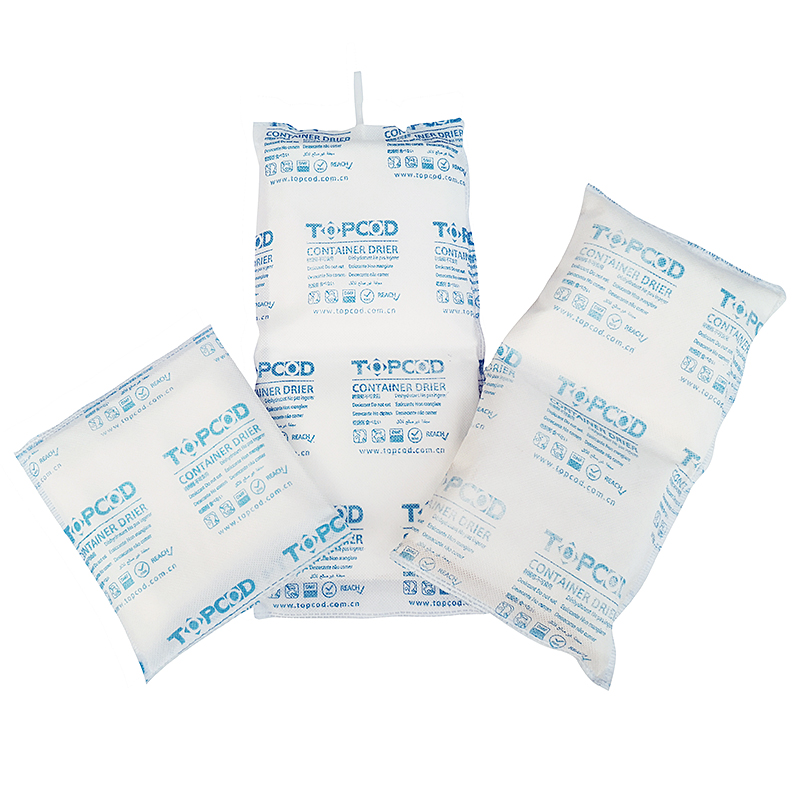
Anhydrous calcium chloride is a naturally occurring, non-toxic substance, making it an environmentally friendly option for moisture control. Unlike chemical-based desiccants, it does not pose a risk to the environment when disposed of responsibly. Since calcium chloride does not release harmful chemicals into the air, it is safe for both users and the environment. By choosing calcium chloride as a dehumidifier, individuals and businesses contribute to sustainable moisture management without causing harm to the planet.
In industrial applications, anhydrous calcium chloride helps reduce the need for frequent desiccant replacements. It is highly effective at absorbing moisture, which means that it lasts longer than many other desiccants. This efficiency reduces waste and the need for regular disposal, contributing to a greener, more sustainable operation. Additionally, by minimizing the need for excess transportation, calcium chloride helps lower greenhouse gas emissions. By selecting this sustainable and efficient desiccant, industries can maintain optimal moisture control while supporting a more eco-friendly future.
Anhydrous calcium chloride is an efficient, cost-effective, and eco-friendly solution for moisture control in desiccators. Its high moisture absorption, long-lasting performance, and environmentally safe nature make it perfect for protecting sensitive materials in storage, shipping, and industrial environments.
At Topcod, our calcium chloride-based dehumidifiers offer excellent protection for goods and materials, ensuring their safety and preservation. Their versatility and eco-friendliness make them an ideal choice for various applications.
A: Anhydrous calcium chloride is used in desiccators to absorb moisture and maintain a dry environment, protecting sensitive materials from damage caused by excess humidity.
A: Anhydrous calcium chloride absorbs moisture more efficiently than other desiccants like silica gel, offering superior moisture control and long-lasting performance.
A: The lifespan of anhydrous calcium chloride depends on the moisture levels in the environment. It needs to be replaced once it has absorbed its maximum capacity.
A: Yes, anhydrous calcium chloride is a non-toxic and biodegradable material, making it an eco-friendly option for moisture control in various applications.


