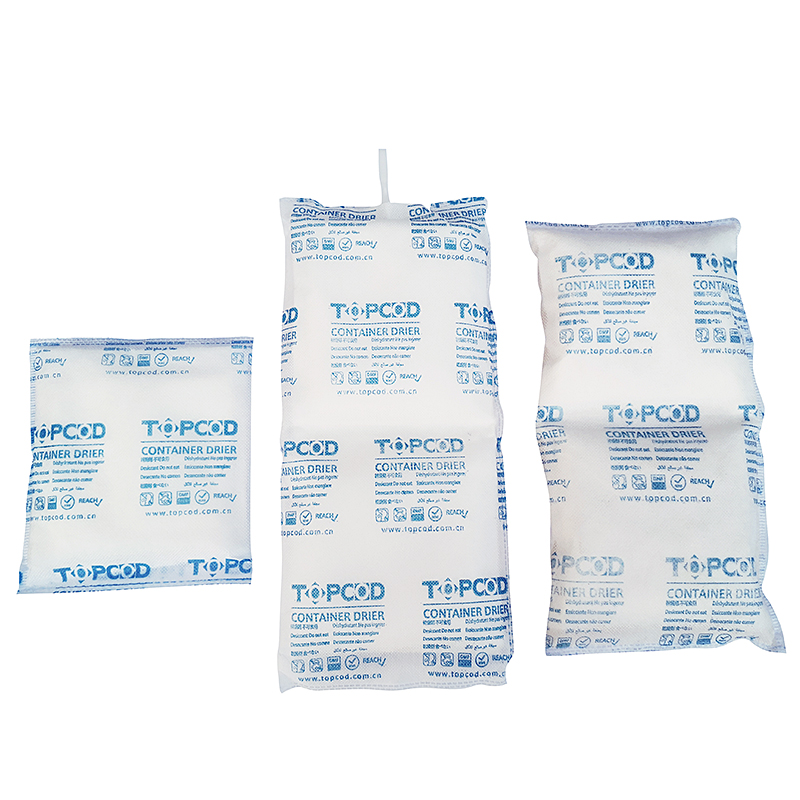
Desiccants are vital for preventing moisture damage in industries like electronics and pharmaceuticals. But are all desiccants hazardous? While desiccants are essential for preserving product integrity, some may pose safety risks. In this article, we will explore the different types of desiccants and their safety profiles.You’ll learn about non-toxic and hazardous desiccants, plus how to use them safely. We will also discuss the best practices for disposal. Learn more about our products at Topcod, designed for safe moisture control.
In today’s global supply chain, controlling moisture during storage and transportation has become more important than ever. Whether it is electronics, pharmaceuticals, machinery, or sensitive packaging materials, excessive humidity can lead to corrosion, mold growth, product degradation, and significant financial losses. This is where humidity indicator cards (HICs) play a crucial role. However, as environmental and safety regulations become stricter, traditional cobalt chloride-based HICs are being replaced by safer alternatives. From our experience working with customers across various industries, one of the most frequently asked questions is: what exactly is a cobalt chloride free HIC, and why is it becoming the preferred choice?
In today’s global supply chain, packaging is no longer just about protection—it is about compliance, safety, and environmental responsibility. For industries dealing with moisture-sensitive products such as electronics, pharmaceuticals, and precision components, humidity control plays a critical role in product quality. One of the most widely used tools for monitoring humidity inside sealed packaging is the humidity indicator card (HIC). However, traditional HICs often contain cobalt chloride, a chemical that has raised serious environmental and health concerns. As regulations tighten, especially under REACH and RoHS, businesses are increasingly shifting toward cobalt chloride free HIC solutions.
Moisture is one of the most underestimated risks in global shipping and storage. It doesn’t arrive as a dramatic leak—it builds quietly through humidity swings, container condensation, and long transit cycles. For electronics, precision parts, optical components, pharmaceuticals packaging (outer), leather goods, and many industrial materials, even short-term moisture exposure can lead to corrosion, mold, tarnish, label failure, and performance drift.
Excess moisture can cause mold, corrosion, and damage to materials. Managing humidity is vital in industries and homes. Calcium chloride is a hygroscopic compound that works well as a dehumidifier.In this article, we will explain how calcium chloride works as a dehumidifier. You'll learn its applications in various environments.At Topcod, we offer reliable container desiccant for moisture control. Learn more about our products today!