
T: +86-757-2339-5985
E: tp@topcod.com.cn
E: tp@topcod.com.cn
No.6, Pai Sha Industrial Road, Pai Sha Community, Longjiang Town, Shunde District, Foshan City, Guangdong Province, China.
Views: 0 Author: Site Editor Publish Time: 2026-11-11 Origin: Site


When you unbox a new pair of leather shoes or a sensitive electronic device, that familiar little packet usually goes straight into the trash. Millions of synthetic moisture absorbers fill municipal landfills every single day. These engineered plastics and chemical salts take centuries to decompose fully. They leave a lasting, invisible scar on the environment.
Today, modern consumers and procurement managers are asking tough questions about the end-of-life impact of their packaging materials. Buyers desperately need sustainable, natural moisture control options. Fortunately, natural clay safely returns to the earth. It offers a circular solution to a growing waste crisis. In this comprehensive guide, you will learn exactly how this material behaves in a landfill. You will also discover the operational and environmental benefits of making the switch.
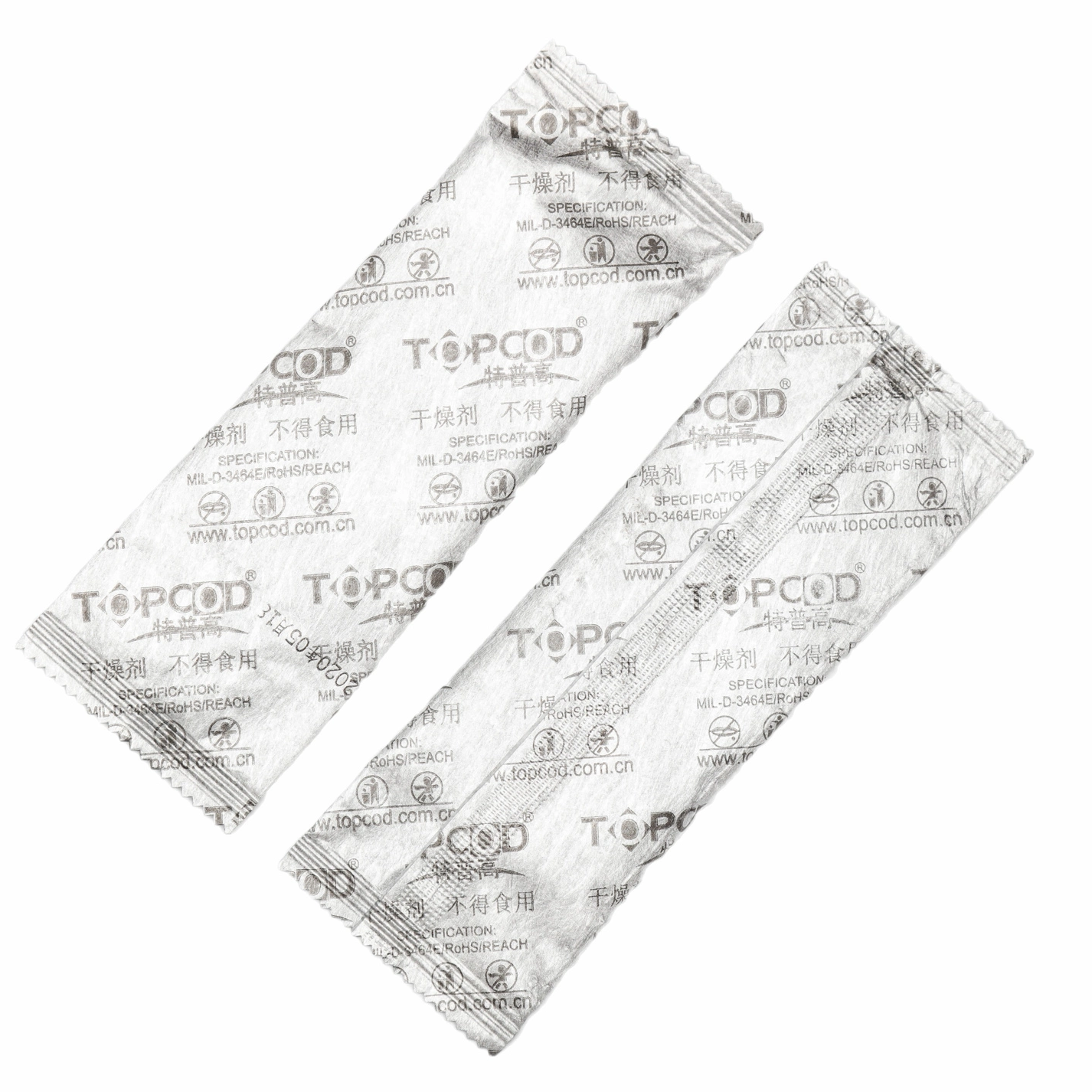
To truly understand how packaging materials interact with the environment, we must first look at their origins. An Activated Clay Desiccant is a highly porous, naturally occurring mineral designed to protect packaged goods from humidity damage. The primary raw materials used for these absorbers are bentonite and montmorillonite clays.
Contrast this with synthetic alternatives that require extensive, energy-heavy chemical engineering. This clay forms through the natural weathering of volcanic ash over millions of years. The term activated simply means the raw, mined clay has been carefully processed. We typically use controlled, low-heat baking to remove its natural free moisture. This thermal activation opens up the microscopic layered structure of the aluminosilicate minerals. It maximizes their capacity to trap and hold ambient humidity.
From an engineering standpoint, high-quality clay desiccants boast a moisture content of less than 2% right out of the factory. Their bulk density sits optimally around 0.95 to 1.05 grams per milliliter. Because the production process relies heavily on mechanical crushing, drying, and grading rather than complex chemical synthesis, the initial carbon footprint is remarkably low. The mineral naturally traps water molecules between its microscopic layers through physical adsorption. During this process, the clay does not change its physical shape. It never swells into a liquid gel or undergoes any chemical reaction. It remains a dry, stable, and chemically inert granule from the moment it is mined to the moment it is discarded.
Recent supply chain sustainability reports highlight a massive shift in how global logistics managers handle end-of-life packaging. Regulatory scrutiny over Scope 3 emissions is intensifying. Major industries are rapidly moving away from synthetic polymers. The market is pivoting toward circular-economy minerals that require zero specialized waste processing. Adopting natural moisture absorbers is no longer just a niche eco-friendly choice. It has become a mainstream operational standard.
The global shipping industry relies heavily on moisture control to prevent rust and mold. However, the end-of-life reality for traditional desiccants presents a significant environmental challenge. When standard silica gel or calcium chloride packets are tossed into municipal trash bins, they inevitably end up in large-scale sanitary landfills.
Silica gel is a synthetic polymer of silicon dioxide. While the silica itself is technically non-toxic, the manufacturing process requires extreme temperatures. The final product simply does not biodegrade. Calcium chloride is a chemical salt. It can severely alter the salinity of surrounding soil if it leaks in massive quantities. Furthermore, manufacturers frequently package these synthetic absorbers in non-biodegradable plastics or synthetic non-woven fabrics.
In the dark, oxygen-free environment of a typical landfill, synthetic plastics remain intact for hundreds of years. As these materials slowly degrade under mechanical pressure, they break down into microplastics. These microscopic polymer fragments pose severe environmental risks. They can contaminate local water tables and enter the broader ecosystem. Choosing a natural Clay Desiccant drastically alters this timeline. The core material is a natural earth mineral. It entirely bypasses the centuries-long degradation process, presenting a stark contrast to the persistent environmental burden of synthetic packaging waste.
Does activated clay break down biologically like an apple core or a cardboard box? The scientific answer is no, but the mechanism is even better. It undergoes a seamless natural reintegration process.
Because bentonite and montmorillonite clays are mined directly from the earth, throwing them into a landfill simply returns them to their geological home. Biological degradation requires microorganisms to consume organic matter. Since clay is an inorganic mineral, bacteria cannot consume it.
Instead, when a clay packet is buried under layers of trash and exposed to ambient soil moisture, the granules simply disperse. They mix harmlessly with the surrounding dirt, sand, and rock. Many agricultural sectors intentionally use bentonite clay as a soil conditioner. It improves water retention in arid, sandy lands. Introducing this mineral into a landfill environment is entirely benign.
A primary concern for modern waste management is the leaching of toxic chemicals into groundwater. Sanitary landfills are designed with protective liners, yet minimizing toxic input at the source remains crucial. Activated clay is chemically inert. It contains no heavy metals, toxic solvents, or synthetic polymers. When it reintegrates with the soil, it will not contaminate the water table. It will not alter the pH balance of the surrounding environment. This makes it exceptionally safe for standard municipal disposal.
To make an informed engineering decision, procurement teams must look at the hard data. Below is a direct comparison of common desiccant materials across key environmental and performance metrics.
| Metric | Bentonite/Montmorillonite Clay | Silica Gel | Calcium Chloride |
|---|---|---|---|
| Manufacturing Energy | Low heat processing | High heat chemical synthesis | Moderate chemical processing |
| Landfill Behavior | Natural soil reintegration | Persists for centuries | Can alter soil salinity |
| Toxic Leaching Risk | Zero | Low to Moderate | High corrosive risk if leaked |
| Physical State When Full | Dry and granular | Dry and granular | Turns into liquid brine |
While the internal mineral is completely earth-friendly, environmental compliance managers must look at the product holistically. The outer sachet material ultimately dictates how the entire packet behaves once it reaches the dump.
For businesses prioritizing strict sustainability goals, desiccants packaged in unbleached Kraft paper or natural cotton are the optimal choice. Kraft paper is manufactured from wood pulp. Cotton is a natural plant cellulose. In a landfill setting, both of these materials are highly biodegradable. Microorganisms, fungi, and moisture will break down paper and cotton sachets relatively quickly. Once the sachet degrades, the natural clay is released to mix with the soil. This results in a true zero-waste lifecycle.
In certain heavy-duty industrial applications, desiccants require highly durable, tear-resistant, and dust-proof packaging. Tyvek, a spunbond high-density polyethylene, and synthetic non-woven fabrics are frequently used for these purposes. While they provide excellent physical protection, they are ultimately synthetic plastics.
Unlike Kraft paper, Tyvek will not biodegrade quickly. It will persist in a landfill for decades. Consequently, while the internal clay remains eco-friendly, the packet as a whole cannot be classified as fully biodegradable. Procurement teams must carefully balance their mechanical packaging requirements with their end-of-life sustainability objectives.
Stop guessing with generic packets. Modern supply chains require materials that balance performance, economic viability, and environmental responsibility. You need a High-efficiency and eco-friendly Bentonite clay desiccant tailored to your specific application. Here is how to match the standard to the scenario.
For electronic components, static discharge is a critical threat. Look for anti-static packaging. Ensure the desiccant meets strict military packaging standards, specifically the MIL-D-3464E specification. The absorption capacity should exceed 17% at a 40% relative humidity level to guarantee a dry microclimate for sensitive motherboards.
When shipping machinery and automotive parts, physical durability is paramount. Choose tear-resistant non-woven packets. You need robust physical protection against sharp metal edges during turbulent transit. The clay will handle the humidity, but the packet must survive the journey.
For food and pharmaceuticals, regulatory compliance dictates the choice. Verify that the supplier uses FDA-compliant packaging materials. The clay must undergo strict sterilization protocols. Because it is derived from the earth, food-grade processing ensures safety and prolongs shelf life without introducing chemical risks.
Industrial storage facilities and large-scale distribution centers face unique environmental control challenges. The sheer volume of goods, combined with fluctuating internal temperatures, creates a high-risk environment for moisture damage. Facility managers are rapidly abandoning traditional synthetic desiccants.
Imagine a massive distribution center processing thousands of pallets a week. Warehouses and shipping containers are highly susceptible to drastic temperature fluctuations. This leads to container rain. When warm, humid air inside a container cools rapidly overnight, moisture condenses into water droplets. This rain destroys corrugated boxes and rusts metal parts.
Deploying montmorillonite clay desiccant for warehouses in large hanging bags or bulk poles excels in these demanding environments. Its rapid adsorption rate effectively intercepts humidity spikes. It keeps the ambient air well below the dew point before condensation can form on shipments.
In a commercial setting, the disposal of packaging materials is a massive logistical and financial consideration. If a facility relies on chemical salts like calcium chloride, a single punctured packet can leak corrosive brine onto expensive inventory. This requires hazardous waste cleanup protocols. Disposing of massive volumes of synthetic silica gel also contributes to landfill microplastics and incurs high commercial waste fees.
Because montmorillonite clay is a natural, non-toxic mineral, large volumes of used packets are vastly easier and safer to handle. When packaged in biodegradable materials, the entire unit can be integrated into standard commercial waste streams without regulatory hurdles. This streamlined process saves warehouses time, reduces disposal costs, and aligns perfectly with corporate zero-waste initiatives.
Natural earth minerals bypass the centuries-long degradation process associated with synthetic plastics and chemical absorbers. Activated clay desiccant safely and naturally reintegrates into landfills. Choosing these eco-friendly options reduces global packaging waste. It helps companies meet strict environmental compliance standards.
This simple change in your packaging protocol makes a massive environmental difference. It keeps microplastics out of our water tables and soil. It lowers your carbon footprint from manufacturing to disposal.
Stop paying hazardous waste disposal fees for chemical absorbers. Evaluate your current packaging protocol today. Visit Topcod Dry Packaging to explore our full range of sustainable moisture control solutions. Match the right natural clay product to your specific operational needs, and protect both your valuable inventory and the planet.
No, activated clay desiccant is completely non-toxic. It is primarily composed of naturally occurring phyllosilicate minerals. These are essentially purified forms of volcanic ash and earth. It does not contain heavy metals or hazardous synthetic chemicals. While it is not intended for consumption and poses a standard choking hazard, accidental ingestion of the clay itself will not cause chemical poisoning in humans or domestic pets.
Yes, you can safely dispose of activated clay desiccant packets in your standard municipal household trash. Because the material is an inert, naturally occurring mineral, it does not require specialized hazardous waste processing. When your household trash is transported to a local landfill, the clay will eventually break out of its packaging and safely mix back into the surrounding soil.
The environmental impact of these two materials in a landfill is vastly different. Silica gel is a synthetic amorphous silica. It can sit in a landfill for centuries, potentially breaking down into microplastics. In stark contrast, clay desiccant is a natural component of the earth's crust. It does not need to break down chemically. It simply returns to the earth immediately, leaving zero synthetic footprint.
The raw clay inside the packet is highly beneficial for soil. You can empty it directly into your garden or home compost bin to improve soil aeration. However, whether you can compost the entire packet depends on the outer sachet material. If the packaging is made from unbleached Kraft paper or natural cotton, the entire unit is compostable. If it is made from Tyvek or plastic blends, you must cut the packet open, compost the clay, and discard the synthetic wrapper in your regular trash.
Under high humidity conditions, high-quality bentonite clay typically absorbs approximately 25 to 30 percent of its own weight in moisture. Unlike chemical salts that turn into a liquid brine when saturated, the clay retains its dry, granular form even at maximum capacity, ensuring your products remain clean and safe.
Yes, temperature plays a role in physical adsorption. Clay desiccants perform exceptionally well at standard room temperatures and moderate climates. They rapidly absorb moisture to prevent container rain during sudden temperature drops. However, in extreme heat exceeding 50 degrees Celsius, physical desiccants can begin to release trapped moisture back into the air. Proper sizing and placement within the container mitigate this risk.


