
T: +86-757-2339-5985
E: tp@topcod.com.cn
E: tp@topcod.com.cn
No.6, Pai Sha Industrial Road, Pai Sha Community, Longjiang Town, Shunde District, Foshan City, Guangdong Province, China.
Views: 0 Author: Site Editor Publish Time: 2026-11-14 Origin: Site


Ever opened a storage box to find your favorite leather boots covered in a fine layer of mildew? Or worse, a prized camera lens etched with fungal growth? Hidden moisture is a relentless enemy. Tossing a small moisture-absorbing packet into your container is an excellent first defense. However, these little guardians do not last forever.
Once they become fully saturated, they stop working entirely. Your valuables are then left completely vulnerable to humidity, mold, and corrosion. In this comprehensive guide, you will learn exactly how to spot a saturated packet. We will explore the underlying science of High-efficiency And Eco-friendly Silica Gel Desiccants, discover how to identify exhausted capacity, and outline the exact steps needed to protect your investments long-term.
Understanding the lifecycle of moisture-absorbing packets is essential for effective humidity control. Before diving into the technical engineering details, here is a quick overview of the most critical points regarding saturation and maintenance:
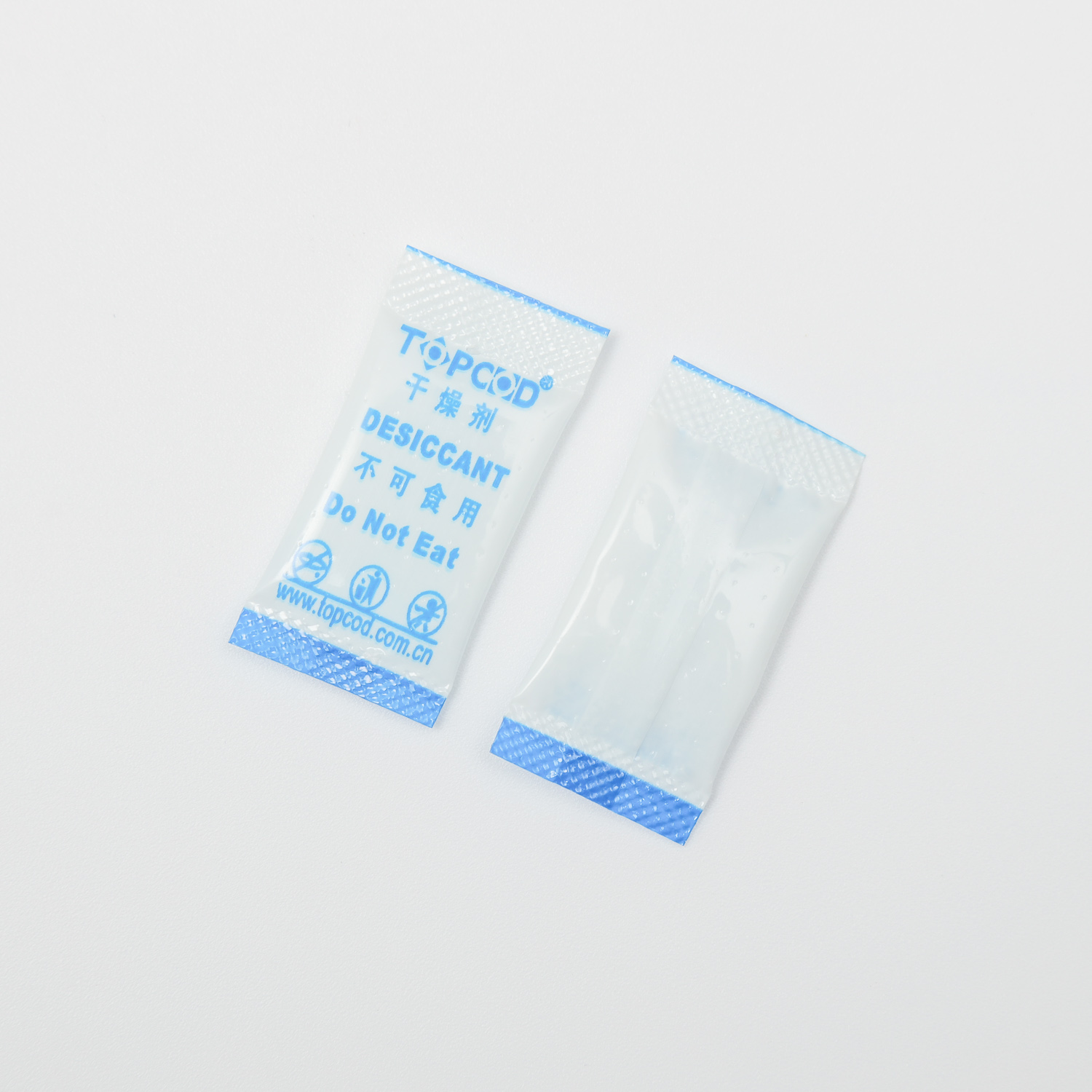
To accurately identify a saturated packet, you must first understand the underlying material science. From an engineering perspective, the mechanism is fascinating and highly efficient.
Despite the word gel in its name, this material is not a soft, squishy substance. It is a rigid, highly porous, granular, and synthetic form of silicon dioxide. Manufactured from sodium silicate, it features a vast network of microscopic interconnected pores.
The most critical distinction to make is that the material adsorbs moisture rather than absorbing it. Absorption occurs when a substance permeates the entire volume of another material, much like a sponge soaking up liquid water. In contrast, adsorption is a strict surface phenomenon. Specifically, water vapor molecules in the air are drawn into the microscopic pores of the beads. They adhere to the internal surfaces via weak intermolecular forces.
These packets are engineered to pull ambient humidity from the surrounding air. This action effectively creates a localized, micro-climate dry environment. The internal surface area of these beads is extraordinarily large, often cited as being around 800 square meters per single gram of material. Consequently, they can trap a vast amount of water vapor relative to their tiny physical footprint.
A widespread misconception is that the beads will physically swell, dissolve, or turn into a mushy paste when full of water. This is entirely false. Because the moisture is held on the internal surfaces of the pores at a microscopic level, the beads maintain their exact solid physical shape, size, and dry external texture. They look identical whether bone-dry or completely saturated.
Since the beads do not change their physical shape when full, spotting a saturated packet requires specific testing methods. Your detection strategy depends entirely on the specific type of Silica Gel Desiccant you are utilizing.
| Desiccant Type | Dry / Active State | Saturated / Exhausted State | Primary Detection Method |
|---|---|---|---|
| Orange Indicating | Vibrant Bright Orange | Dark Green or Colorless | Visual Inspection |
| Blue Indicating | Deep Rich Blue | Light Pink | Visual Inspection |
| Standard White | Solid White / Lightweight | Solid White / Denser | Precision Weighing |
Indicating gels are manufactured with a moisture-sensitive chemical compound washed over the beads. This provides a clear, visual notification when the desiccant reaches its maximum capacity. Orange indicating beads are currently the safest, heavy-metal-free option available on the market. When dry and active, they display a vibrant orange hue. As they adsorb moisture and approach saturation, they transition to a dark green state.
Standard white packs are the most common and cost-effective option for food and pharmaceutical packaging. However, they contain no indicating dyes. They remain solid white whether they are bone-dry or completely saturated.
Since visual cues are absent, precision weighing is the only scientifically accurate method to determine saturation. A fully saturated pack will weigh approximately 30 to 40 percent more than its original dry weight. If you place a brand-new 10-gram packet on a highly sensitive digital scale, it should weigh very close to 10 grams. If you weigh that same packet months later and the scale reads 13.5 to 14 grams, the packet is fully saturated and completely inert.
Recent supply chain analyses reveal a critical shift in moisture control strategies. With global temperature fluctuations becoming more extreme during shipping and warehousing, the threat of desorption is more prevalent than ever. While smart packaging with digital humidity sensors is gaining traction in high-end logistics, identifying a physically saturated packet remains a massive vulnerability for everyday consumers and traditional freight.
Adsorption is a temperature-dependent process. If a storage container experiences a rapid temperature spike—such as a shipping container sitting on a hot tarmac—the thermal energy breaks the weak bonds holding the water molecules. A fully saturated packet will then release its trapped moisture back into the enclosed space. This creates a sudden, damaging spike in humidity, turning your protective measure into an active threat.
Leaving a saturated packet inside your storage container is not merely ineffective. As noted with desorption, it can actively destroy the items you are trying to protect. Once saturation is reached, the packets become entirely inert. Any new moisture introduced into the container remains in the air, raising the relative humidity to dangerous levels.
One of the most frequent questions we hear in the field is how long a packet will last. The objective engineering answer is that there is no universal expiration date. In a perfectly sealed, high-barrier environment, they can remain active for anywhere from one to three years. In an average household storage container that is opened occasionally, a lifespan of three to twelve months is standard.
To understand why a 0.5g Pouch Chemical Stable Silica Gel Desiccant might saturate in three days versus three years, look directly at your container's Moisture Vapor Transmission Rate. If you place a packet inside a standard cardboard box, moisture continuously passes through the porous cardboard. The packet is essentially trying to dehumidify the entire room outside the box, leading to rapid saturation. Proper sizing and airtight seals are mandatory for long-term performance.
One of the most significant commercial advantages of this material over calcium chloride is its inherent physical stability and reusability. Because the moisture capture mechanism relies on physical adsorption rather than a chemical reaction, the process is entirely reversible.
The conventional oven method remains the most reliable and scientifically sound way to recharge saturated beads. Preheat your oven to a stable temperature between 200 and 250 degrees Fahrenheit. Do not exceed 250 degrees, as excessive heat can permanently destroy the delicate internal pore structure. Spread the saturated beads evenly on a clean baking sheet and bake for roughly two hours. For indicating gels, you will visually observe the color return to its original dry state.
Never blindly place intact commercial 1g Reusable Silica Gel Desiccant packs into an oven if you do not know the packaging material. Many standard packets are wrapped in Tyvek, standard paper, or non-woven plastic fabrics. These materials will melt, scorch, or catch fire at high temperatures. You must carefully cut open the pouch, pour the raw beads onto your baking sheet to recharge them, and subsequently place the regenerated beads into a new, breathable cotton bag.
Selecting the appropriate desiccant involves more than just picking a random size. The chemical composition and the packaging material dictate performance in the field. Here is a practical engineering guide to selecting the right product to prevent premature saturation:
Spotting a saturated packet does not have to be a guessing game. Look for vivid color changes in indicating gels, and monitor subtle weight or density increases for standard white packs. By routinely checking your moisture absorbers every few months, you ensure your valuables remain fully protected against the silent threat of moisture damage.
Do not wait until mold appears to upgrade your moisture control strategy. Explore the premium, eco-friendly, and reusable dry packaging solutions at Topcod. Select the exact product specifications tailored to your industry needs, and extend the lifespan of your critical investments today.
It remains completely dry to the touch. The internal beads undergo adsorption, not absorption. This means they do not turn into a liquid, swell, or become a gel. A saturated pouch will simply feel slightly heavier and more densely packed than a brand-new, dry one due to the added microscopic water weight.
If you are using indicating gel, it is still good if it displays its original vibrant color, usually bright orange or deep blue. For standard white non-indicating packets, the most accurate way to tell if they are still active is to weigh them. If the packet matches its original stated weight, it is dry and good to use. If it weighs 30 percent more than its label indicates, it is exhausted.
If stored in a truly airtight, factory-sealed foil bag or high-barrier container, silica gel does not have a strict expiration date and can last for many years. However, if the master packaging has microscopic pinholes or is made of standard plastic wrap, ambient moisture will slowly permeate the barrier over time, eventually saturating the packets before you even open them.
No. Standard white and orange indicating beads are chemically inert, non-toxic, and generally recognized as safe, even when completely saturated with ambient water vapor. However, the beads present an absolute choking hazard and must be strictly kept away from pets and small children.
High-quality packets are incredibly efficient. They are capable of adsorbing up to 30 to 40 percent of their own dry weight in moisture before reaching maximum saturation. For example, a standard 10-gram packet can hold up to 4 grams of pure water pulled directly from the surrounding air.
If orange indicating gel is exposed to extremely high temperatures—usually above 300 degrees Fahrenheit during an improper oven recharging process—the organic indicating dye suffers severe thermal degradation. This burns the dye, turning the beads dark brown or black. If this chemical breakdown happens, the beads lose their indicating ability and should be discarded immediately.


