
T: +86-757-2339-5985
E: tp@topcod.com.cn
E: tp@topcod.com.cn
No.6, Pai Sha Industrial Road, Pai Sha Community, Longjiang Town, Shunde District, Foshan City, Guangdong Province, China.
Views: 0 Author: Site Editor Publish Time: 2025-12-31 Origin: Site


Desiccants protect products from moisture damage, but many users still wonder: How Long Do Desiccants Last?Lifespan varies with humidity, temperature, desiccant type, and storage conditions.You’ll discover key factors, replacement signs, and tips to maximize performance.Topcod provides reliable container desiccants for long-term moisture protection.
A desiccant is a substance used to absorb moisture from the surrounding air. These materials help maintain a dry environment, preventing mold, rust, and degradation of products. Desiccants are widely used in packaging, storage, and shipping of various items, particularly those sensitive to moisture, such as electronics and pharmaceuticals. They are also common in containers for food, leather goods, metal parts, and optical instruments, where even slight humidity can cause quality issues. By controlling moisture, desiccants extend product shelf life and improve reliability during transport and long-term storage.
There are different types of desiccants, each with specific properties and moisture absorption capacities. Common desiccants include silica gel, clay, molecular sieves, and calcium chloride. Silica gel performs well in moderate humidity and is often used in small packets inside consumer goods. Clay desiccants are cost-effective and suitable for general-purpose packaging in normal environments. Molecular sieves provide very precise and rapid drying in critical applications, such as pharmaceuticals or gas drying. Calcium chloride is particularly effective in high-humidity environments due to its high absorption capacity and is often used in bulk moisture control for containers and warehouses. Choosing the right desiccant type directly influences how long it will last in a given application.
The lifespan of desiccants depends significantly on the humidity levels in their environment. Desiccants in high-humidity areas absorb moisture faster, leading to quicker saturation. The higher the humidity, the more moisture the desiccant will absorb, thus reducing its lifespan. In very humid conditions, a packet may reach its capacity in weeks, while in drier environments it may remain effective for several months. Understanding the typical relative humidity of the storage or shipping environment is essential when estimating how long a desiccant will remain active.
Extreme temperatures can impact the effectiveness and longevity of desiccants. Higher temperatures can accelerate moisture absorption, causing the desiccant to reach saturation more quickly. Very low temperatures can slow down the moisture absorption process and, over time, may reduce the desiccant’s efficiency. Rapid temperature changes can also create condensation, forcing desiccants to work harder. It is important to store and use desiccants at stable, moderate temperatures to ensure their long-term performance and more predictable service life.
Proper packaging and storage play a key role in extending the life of desiccants. Desiccants should be kept in sealed, airtight containers to prevent premature moisture absorption before they are put into service. If left exposed, they may exhaust their capacity before being used where they are actually needed. Keeping desiccants in a cool, dry place ensures they maintain their ability to absorb moisture when needed. Using moisture-barrier bags, sealed drums, or tightly closed cartons helps preserve unused desiccants and contributes to longer and more reliable performance once they are deployed.

Silica gel is one of the most commonly used desiccants, known for its ability to absorb moisture efficiently. Typically, silica gel lasts between 3 to 6 months, depending on the environmental conditions and how well the package is sealed. It is widely used in electronics, pharmaceuticals, and consumer goods packaging to keep products dry during storage and transport. Silica gel is reusable and can be regenerated by heating to remove absorbed moisture, which makes it a cost-effective option for long-term moisture control when handled correctly.
Clay desiccants, such as montmorillonite, are often used for moisture control in lower humidity environments. They can last around 4 to 8 months under normal conditions and are commonly used in general packaging, warehousing, and some export applications. However, they are generally less effective in very high humidity conditions compared to silica gel, as their absorption capacity decreases more quickly. Clay desiccants are usually considered single-use and are valued for being natural, simple, and economical.
Molecular sieves are highly efficient desiccants, especially in high-humidity or critical moisture-control situations. They can last anywhere from 12 to 18 months, depending on environmental conditions, packaging integrity, and the required dryness level. Molecular sieves are often used in industries that need very low residual moisture, such as pharmaceuticals, specialty chemicals, and precision instruments. Like silica gel, molecular sieves can be regenerated by heating to restore their moisture-absorbing capacity, offering excellent performance and a long service life when managed properly.
Desiccant Type | Typical Lifespan (Under Normal Conditions) | Reusability |
Silica Gel | 3 to 6 months | Yes (Can be regenerated) |
Clay Desiccants | 4 to 8 months | No |
Molecular Sieves | 12 to 18 months | Yes (Can be regenerated) |
Anhydrous Calcium Chloride | 6 months to 1 year | No |
Desiccants need to be replaced when they have absorbed as much moisture as they can hold. For silica gel, this is often easy to see because the material changes color, typically from blue or orange to pink or clear, signaling that it has reached its saturation point. Other desiccants, like calcium chloride, gradually dissolve and may form a liquid brine as they absorb moisture. Clay or other solid desiccants can become heavier, softer, or start to clump when saturated.
Desiccants should be replaced once they no longer maintain a dry environment effectively. If you notice condensation, rust, mold, or a musty smell in the protected space, it is a clear sign that the desiccant is no longer working properly. Physical changes, such as visible clumping, caking, or liquid pooling inside the container or packaging, indicate that the desiccant has reached its maximum capacity and should be replaced promptly to restore proper moisture control.
Regular inspection is essential to determine when desiccants need replacement. Check the appearance and texture of the desiccant: if it looks damp, discolored, or has changed shape significantly, it is likely saturated. In systems where indicator cards or windows are used, monitor them for color changes that show humidity levels are rising. If the environment inside the packaging, desiccator, or container shows signs of moisture damage, it is a strong indication that the desiccant is no longer effective and needs to be changed.
To extend the lifespan of desiccants, always place them in tightly sealed containers or packaging where air exchange is controlled. Ensure that the desiccant is evenly distributed so it can absorb moisture from all areas, rather than being concentrated in one spot. Avoid leaving containers open for long periods, as frequent exposure to ambient air will cause desiccants to saturate more quickly. Choosing the correct amount of desiccant for the volume and expected humidity also helps maintain efficiency and prolong service life.
Certain desiccants, such as silica gel and molecular sieves, can be regenerated and reused. Silica gel can typically be regenerated by heating it at around 120°C (250°F) for several hours to drive off absorbed moisture. Molecular sieves require higher temperatures for regeneration, following the manufacturer’s recommendations. Proper regeneration restores much of their absorption capacity and can significantly reduce replacement frequency and overall costs, especially in applications where desiccants are used continuously.
When desiccants are not in use, they should be stored in airtight, moisture-proof packaging to prevent premature saturation. Leaving them exposed to open air, even for short periods, can cause them to absorb moisture and lose capacity before they are actually needed. Keep stored desiccants in a cool, dry area, away from direct sunlight and heat sources. Good storage practices help preserve their performance, ensuring that they are fully effective when placed into packaging, containers, or equipment.
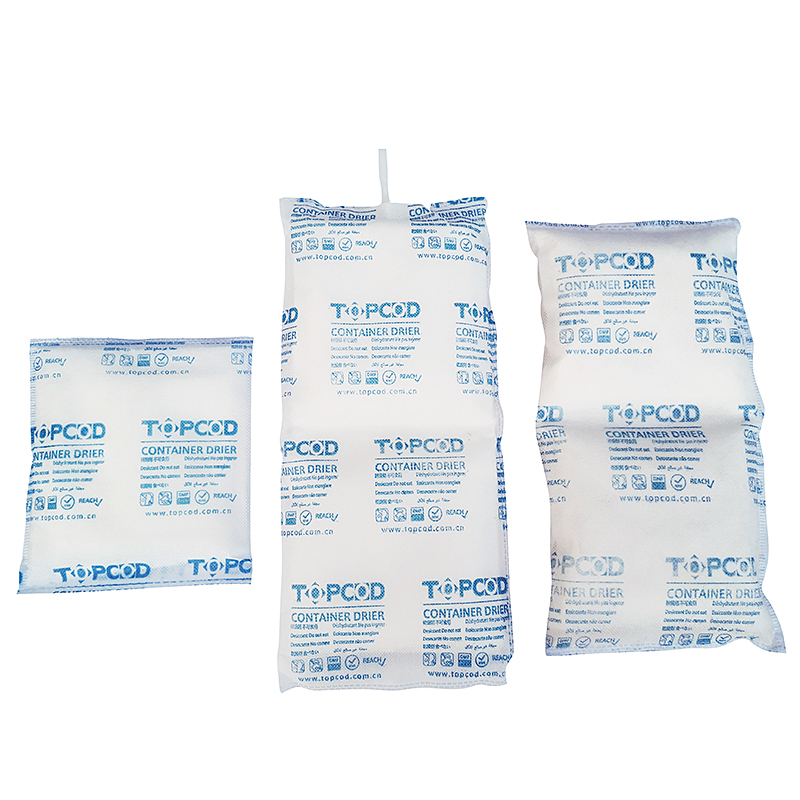
In pharmaceutical packaging, desiccants preserve product stability and potency. Depending on storage and humidity, they can last from 6 months to 2 years. Proper handling ensures medications remain effective and safe for longer durations.
For electronics and appliances, desiccants prevent corrosion and circuit damage. In most cases, they last several months to a year. Their use ensures that sensitive components remain dry, improving reliability and extending product life.
Desiccants maintain freshness and prevent spoilage in food storage. They typically last 3 to 6 months, depending on humidity and temperature. Regular replacement ensures consistent protection against mold and bacterial growth.
Desiccants provide an affordable and efficient moisture control solution. Their long-lasting nature and wide availability make them suitable for both commercial and household use. Choosing the right type ensures durable protection with minimal maintenance costs.
Selecting the correct desiccant depends on environmental conditions and application requirements. Calcium chloride performs best in high humidity, while silica gel is ideal for moderate conditions. Matching desiccant type to usage ensures optimal performance and extended protection.
Desiccant Type | Cost-Effectiveness | Efficiency in High Humidity | Maintenance Required |
Anhydrous Calcium Chloride | High | Very High | Low (Replace when saturated) |
Silica Gel | Moderate | Moderate | Low (Can be regenerated) |
Clay Desiccants | Low | Low | Moderate (Replace when saturated) |
Molecular Sieves | Moderate | Very High | Low (Can be regenerated) |
Desiccants protect sensitive products from moisture, but their lifespan varies.Humidity, temperature, desiccant type, and storage conditions all influence duration.By choosing the right desiccant and replacing it on time, you maintain reliable moisture control.Topcod offers high-performance desiccant solutions that help extend protection and reduce moisture-related risks.
A: How long do desiccants last depends on humidity, temperature, and desiccant lifespan.
A: In high humidity, how long do desiccants last is shorter, so replace sooner.
A: For best desiccant effectiveness over time, replace them every few months.
A: Yes, regenerate silica gel in a low oven to restore absorption.


