
T: +86-757-2339-5985
E: tp@topcod.com.cn
E: tp@topcod.com.cn
No.6, Pai Sha Industrial Road, Pai Sha Community, Longjiang Town, Shunde District, Foshan City, Guangdong Province, China.
Views: 0 Author: Site Editor Publish Time: 2026-11-09 Origin: Site


Have you ever opened a bucket of emergency supplies only to find rancid grains and mold? You are certainly not alone. Trapped ambient air and creeping moisture rapidly destroy expensive dry goods. This turns a valuable investment into complete waste. Fortunately, modern packaging science offers a proven, industrial-grade solution. Achieving a chemically stable, zero-oxygen environment is the ultimate goal for long-term storage, emergency preparedness, and commercial pantry organization. For dry goods, the most reliable methodology involves pairing a high-barrier Mylar pouch with a commercial-grade Oxygen Absorber.
While metallized polyester films provide a formidable physical shield against light and dampness, they cannot magically expel the ambient air trapped inside during the manual sealing process. Together, however, these two components create a virtually oxygen-free microclimate. This controlled environment maintains the nutritional value, flavor profile, and physical integrity of provisions for decades. In this comprehensive engineering guide, we will walk you through the empirical steps of this preservation technique. From calculating precise capacities to mastering the heat-seal and troubleshooting common pitfalls, this resource provides the objective facts needed for safe, long-lasting inventory management.
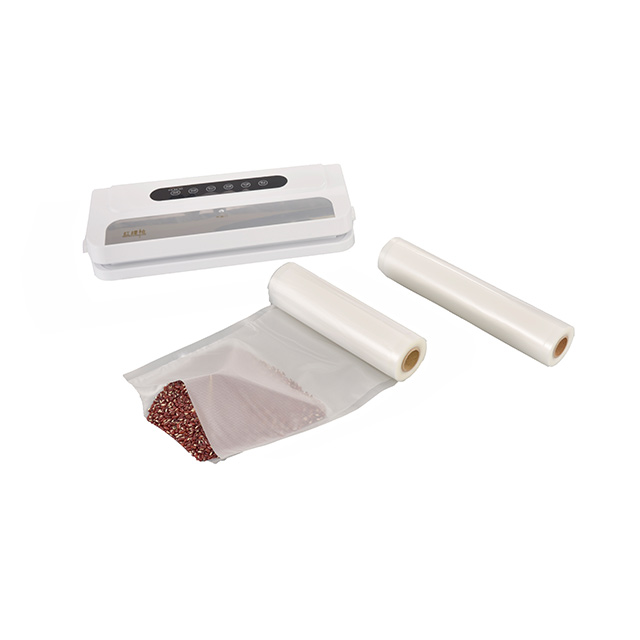
Recent global supply chain disruptions have fundamentally altered how commercial packagers and household consumers approach food security. Market data reveals a massive shift away from traditional canning or standard vacuum sealing. Instead, the industry is rapidly adopting high-barrier, oxygen-free preservation systems. Food scientists and facility engineers recognize the combination of metallized bags and active atmospheric modification as the absolute benchmark. This method guarantees decades-long stability through a synergistic two-part system where each component performs a distinct, essential function.
Mylar is technically known as BoPET, a specialized stretched polyethylene terephthalate film. In the context of pantry storage, these pouches feature a microscopically thin layer of aluminum bonded to the polyester film. This precise engineering creates an exceptionally low Oxygen Transmission Rate and Moisture Vapor Transmission Rate. Unlike standard polyethylene kitchen bags that are highly porous at a microscopic level, metallized polyester acts as an impermeable shield. It actively blocks visible light, ultraviolet radiation, ambient humidity, and external odors from penetrating the food supply.
The exterior pouch excels at keeping external elements out. However, it traps existing air inside when sealed. Ambient air contains roughly 21 percent oxygen. This highly reactive element fuels oxidation, degrades nutritional value, breaks down essential vitamins, and causes residual oils to become rancid. Furthermore, aerobic pathogens, mold spores, and insects require this oxygen to survive and reproduce. By introducing highly efficient Oxygen absorbers for freshness and quality into the storage environment, you initiate a rapid chemical reaction. This process actively binds and removes free oxygen. Once the internal atmosphere drops below 0.1 percent, the environment becomes bacteriostatic and insecticidal, stabilizing the provisions permanently.
While the fundamental goal of atmospheric modification remains identical, the active ingredients and chemical mechanisms vary significantly. Understanding these nuances is crucial for navigating strict safety regulations and achieving a clean pantry.
The most traditional type relies on iron powder as its primary active ingredient. When the iron powder is exposed to trace moisture and oxygen in the air, a natural chemical reaction occurs. The iron rusts. As it transitions into iron oxide, it physically consumes the available oxygen molecules in the surrounding space. These packets typically contain a proprietary blend of iron powder, a salt catalyst, and a moisture-retaining material like zeolite to facilitate the rusting process even in exceptionally dry environments.
Consumer preferences and strict commercial processing rules have driven significant packaging innovation. An Organic Oxygen Absorber utilizes non-metallic, carbon-based compounds, often based on ascorbic acid, to bind with oxygen. These variants offer distinct advantages. Primarily, they are inherently non-toxic and eco-friendly. They completely alleviate concerns about heavy metals accidentally contacting the food supply if a packet were to rupture.
Furthermore, traditional iron-based packets present a massive logistical hurdle in commercial facilities because they trigger inline metal detectors. To solve this critical bottleneck, modern production lines utilize High Absorption Non-Ferrous Organic Oxygen Absorbers. Containing absolute zero iron, these advanced sachets strip oxygen rapidly while passing through commercial metal detectors without false positives. This streamlines quality assurance protocols while guaranteeing premium preservation.
| Absorber Type | Primary Active Ingredient | Metal Detector Safe | Best Application Scenario |
|---|---|---|---|
| Standard Iron-Based | Iron Powder + Salt Catalyst | No | General household prepping, bulk grains, non-automated packing |
| Organic | Ascorbic Acid / Carbon Compounds | Yes | Certified organic foods, health-conscious residential storage |
| Non-Ferrous High Absorption | Proprietary Organic Polymers | Yes | Commercial food processing, automated B2B packing lines |
One of the most frequent procedural errors in food preservation is utilizing an improperly sized absorption packet. Insufficient capacity leaves residual oxygen, rendering the entire effort useless. Conversely, utilizing excessively large packets wastes packaging budgets.
These packets are rated by their capacity to absorb oxygen, measured in cubic centimeters. This number does not represent the physical dimensions of the sachet itself. Instead, it denotes the exact volume of oxygen gas it is chemically capable of neutralizing. For example, a 300cc packet will absorb exactly 300 cubic centimeters of oxygen from the surrounding interstitial air.
To simplify preparation, follow this strict selection standard based on common pouch dimensions and food density. Dense, powdery foods like baking flour pack tightly together, leaving very little room for trapped air. Bulky, irregularly shaped foods like macaroni noodles leave substantial air pockets. Adjust your selection accordingly.
Executing the sealing process correctly is absolutely vital. A minor flaw in the heat seal or a slight delay in handling the active packets compromises the integrity of your long-term storage investment. Follow these engineering-level steps for a foolproof result.
Organize your workspace methodically before opening any active packaging. Ensure your pouches are staged and your dry goods are pre-measured. Commercial impulse sealers provide the most consistent, professional-grade results. If using a standard household clothing iron, set it to the highest cotton setting with the steam function disabled. This will create a highly effective 1-inch thick seal.
Carefully pour your dry goods into the bags. You must leave 1.5 to 2 inches of empty headspace at the very top of the bag. This headspace ensures the inner walls of the packaging lay perfectly flat against one another without tension. A tension-free surface is a strict requirement for achieving an airtight, wrinkle-free heat seal. Wipe the inside of the sealing area completely clean of any food dust, oils, or tiny particles.
Active packets begin their chemical reaction the precise moment they are exposed to ambient room air. You generally have a brief working window of approximately 10 to 15 minutes before their capacity diminishes. Extract only the exact number of packets needed for the immediate batch on your table. Immediately place the unused packets into a small glass mason jar and tighten the lid securely. Drop the required packet directly into your filled bag.
Manually press out as much excess air as possible by flattening the bag against your workspace. Apply your heat sealer across the top edge. If using an iron, apply firm, even pressure for 3 to 5 seconds across the entire width of the material. Inspect the seam carefully. It should look slightly melted and perfectly uniform. Many seasoned facility engineers recommend creating a second parallel seal just below the first one for added redundancy.
Not all foods are viable candidates for this specific preservation method. Misunderstanding the biological limitations of oxygen-free environments leads to severe, sometimes fatal, foodborne illnesses.
The best candidates for this storage method possess a moisture content strictly below 10 percent and a very low fat or oil content. When stored properly under these conditions, these staples easily last for decades:
Creating an oxygen-free microclimate introduces a very specific biological risk known as Clostridium botulinum. This dangerous bacteria produces deadly neurotoxins. It thrives exclusively in anaerobic, low-acid, and high-moisture environments. Never store foods with a moisture content higher than 10 percent using this methodology. High-fat foods will also undergo anaerobic rancidity.
Even experienced facility managers and pantry organizers make procedural errors. Recognizing these common pitfalls saves considerable time, money, and potential food loss.
Ambient air is the ultimate enemy of an unused absorber. If you leave a packet sitting on the counter for an hour, it is likely completely spent. You can perform a quick tactile test to check its viability. A fresh, active iron-based packet feels soft and powdery to the touch. Conversely, a fully spent packet feels hard, solid, and crunchy. This indicates the iron powder has completely rusted into a solid block of iron oxide. If it feels like a solid wafer, discard it immediately.
This remains the single most common source of confusion for beginners. After sealing a batch, many people expect the bags to shrink down into hard, vacuum-sealed bricks overnight. When it fails to happen, they incorrectly assume the heat seal failed. The packet only removes oxygen, which accounts for just 21 percent of the air. The remaining 78 percent is nitrogen gas, which the packet does not absorb. Therefore, the bag only experiences a roughly 20 percent reduction in air volume. This residual nitrogen actually acts as a protective cushion, preventing delicate foods like freeze-dried strawberries from being crushed into powder.
Not all metallized films are created equal. These bags are measured in mils, representing thousandths of an inch. A standard kitchen zip-bag is around 1 to 2 mils thick. Legitimate long-term food storage requires bags that are at least 5 to 7 mils thick. Thinner materials are highly susceptible to microscopic pinholes. If a bag is folded sharply during shipping, the delicate aluminum layer fractures. This creates a tiny pinhole that allows oxygen to slowly seep back in over the years.
Properly sealing the food is only the first phase of long-term preservation. Physical storage conditions ultimately dictate whether the product survives a quarter of a century.
Once a pouch is sealed, it becomes completely opaque. Relying on memory is a guaranteed way to lose track of valuable inventory. Immediately after sealing, use a thick permanent marker or high-quality adhesive labels to record vital data directly on the exterior. Document the exact contents, the total weight or volume, the sealing date, and the packet capacity used. This detailed record-keeping facilitates proper stock rotation using the First-In, First-Out method.
Adhere strictly to environmental controls to protect your investment. Keep sealed bags away from damp basement floors, as direct moisture degrades exterior layers over decades. Ensure heat seals remain undisturbed. Store your supply in a cool, dark, and stable environment, ideally maintaining a temperature between 55 and 70 degrees Fahrenheit. Heat heavily accelerates food degradation.
Finally, while the material is incredibly tough, it is not rodent-proof. Mice and rats chew through a premium 7-mil bag in seconds. To prevent catastrophic losses, place sealed bags inside rigid, food-grade High-Density Polyethylene buckets outfitted with tight-fitting lids. This multi-layered approach provides the ultimate physical barrier against persistent pests, physical crushing, and extreme environmental fluctuations.
Successfully pairing a high-barrier pouch with commercial-grade oxygen depletion technology empowers you to achieve true food independence and efficient inventory management. By understanding oxidation mechanics, executing precise heat seals, and utilizing advanced non-ferrous solutions, you can protect your investments for decades. Whether you are setting up a commercial packaging line or securing your household pantry, reliable supplies are non-negotiable. Evaluate your storage needs and explore the full range of professional-grade preservation solutions at Topcod to guarantee maximum freshness, safety, and shelf life for your dry goods today.
When properly sealed in an airtight environment alongside dry food, the packet keeps the internal microclimate free of oxygen for the entire natural shelf life of the food. This often extends to 20 or 30 years. The packet itself stops actively working once all free oxygen is absorbed, but the preserved, sterile environment remains completely stable as long as the heat seal is unbroken.
No. Once an absorber reaches its maximum absorption capacity, the chemical reaction is complete and irreversible. You must use a fresh, newly opened packet every single time you open and reseal a bag.
Ambient air is composed of roughly 78 percent nitrogen and only 21 percent oxygen. The active packet only removes the oxygen portion of the trapped air. The inert nitrogen remains inside the bag to protect delicate foods from crushing. While you may notice a slight 20 percent volume reduction, it will not look like a tight vacuum seal. This is a completely safe and expected result.
Yes. Organic variants are specifically designed to be food-safe, non-toxic, and eco-friendly. Unlike traditional packets, they do not carry the risk of heavy metal contamination and are completely safe to be placed directly into dry goods like flour, rice, or beans.
Yes, preservation engineers highly recommend this dual approach. Commercial and home vacuum sealers typically only remove about 80 to 90 percent of the ambient air. Adding a chemical absorber ensures the remaining residual oxygen is completely neutralized, providing maximum safety and quality for long-term storage items.
You can perform a simple tactile inspection. A fresh, viable packet will feel soft and yielding, much like it is filled with fine powder. If the packet feels hard, crunchy, or like a solid brick, the active ingredients have already reacted with ambient humidity and oxygen. A rigid packet is completely spent and must be discarded.
Standard polyethylene zip-bags possess a highly porous microscopic structure, resulting in a very high Oxygen Transmission Rate. If you place an active packet inside a standard kitchen bag, it will quickly absorb the initial oxygen, but new oxygen will continuously permeate through the plastic walls. The packet will become completely exhausted within a few days, offering zero long-term preservation benefits.


