
T: +86-757-2339-5985
E: tp@topcod.com.cn
No.6, Pai Sha Industrial Road, Pai Sha Community, Longjiang Town, Shunde District, Foshan City, Guangdong Province, China.
Views: 0 Author: Site Editor Publish Time: 2026-11-20 Origin: Site


Can heating desiccant too much actually reduce its drying performance? Yes, excessive heat may damage materials and shorten their service life. This article explains the risks of recharging desiccant, how to identify overheating, and how to control regeneration safely.
Excessive heat can affect both the physical structure and adsorption performance of desiccants. The actual damage depends on the material type, heating temperature, and exposure time. Some changes may be temporary, while others can permanently reduce performance.
Desiccants work by attracting and retaining moisture from surrounding air. Their adsorption performance depends on material structure and surface properties. Excessive heat may alter these properties under unsuitable regeneration conditions.
For some materials, overheating can reduce their ability to adsorb moisture. This means the regenerated product may not perform like a new batch. It may also require more frequent replacement during operation.
However, high temperature alone does not prove permanent damage. Some desiccants need sufficient heat to release absorbed moisture. The important factor is whether the process exceeds the material's recommended conditions.
Silica gel contains a porous structure that provides a large internal surface area. This structure supports moisture adsorption during normal operation. Unsuitable thermal exposure may affect its physical properties.
The degree of damage depends on the silica gel grade and heating conditions. Repeated overheating may cause changes that reduce its useful adsorption performance. Manufacturers should avoid assuming every silica gel product has identical heat tolerance.
Activated alumina and molecular sieves also have specific thermal requirements. Their structures and regeneration processes differ from silica gel. Always check the technical data for the exact material before heating.
Visible changes can provide early clues about possible overheating. These may include unusual discoloration, cracks, broken beads, or increased dust. Such changes deserve further inspection before the material is reused.
However, appearance alone cannot confirm adsorption damage. Some indicator silica gels change color during normal moisture exposure. A color change may show moisture status rather than excessive heating.
Physical deterioration can also affect packaging performance. Broken particles may escape through unsuitable sachet materials. Fine dust can create handling and cleanliness problems during filling or packaging.
Desiccants may collect dust, oil, or other contaminants during use. Heating contaminated material can create additional problems. Some contaminants may remain after regeneration and affect future applications.
This risk matters in industrial packaging and controlled environments. Reusing contaminated material may compromise product cleanliness. Manufacturers should inspect used desiccants before deciding whether regeneration is appropriate.
Not every desiccant is designed for repeated heating. For example, calcium chloride products absorb moisture through a different mechanism. A calcium chloride desiccant bag for shoe packaging should not automatically be treated like reusable silica gel.
Higher heating temperatures usually require more energy. They may also increase the load on ovens and heating equipment. Yet, additional heat does not guarantee better moisture removal.
Excessive regeneration can also shorten the useful life of some materials. This may increase replacement frequency and operating expenses. The total cost includes energy, labor, equipment maintenance, and material consumption.
A controlled process is usually more efficient than simply increasing temperature. Manufacturers should evaluate regeneration results alongside energy use. This helps identify suitable operating conditions for each material.
High-temperature equipment can create burn and fire hazards. Poorly controlled heating may also damage trays, containers, or nearby components. Operators must follow the equipment's safety procedures.
Contaminated desiccants require additional attention. Heating unknown residues may release unwanted substances or odors. Do not regenerate material when its contamination history is unclear.
Note: Always check the desiccant supplier's instructions before selecting a regeneration temperature. Never assume that a household oven or industrial dryer is suitable for every desiccant.
There is no single safe regeneration temperature for all desiccants. Silica gel, activated alumina, and molecular sieves have different material properties. Their recommended heating conditions must be evaluated separately.
Silica gel is widely used in packaging and moisture protection. It can often be regenerated through controlled heating. The correct temperature depends on its grade and product specifications.
Some silica gel products are designed for repeated regeneration. Others are supplied for specific applications where reuse may not be practical. Their recommended conditions can differ significantly.
Manufacturers should check the product datasheet before starting. Pay attention to temperature limits, heating duration, and cooling instructions. These details help prevent unnecessary thermal exposure.
Activated alumina is used in industrial drying systems. It removes moisture from gases and compressed air. Its regeneration requirements differ from those of silica gel.
The required conditions depend on the alumina grade and system design. Factors include moisture loading, airflow, and equipment configuration. Operators should follow the supplier's technical recommendations.
Using silica gel settings for activated alumina may produce poor results. The material may remain incompletely regenerated or experience unnecessary heat exposure. Always identify the exact desiccant before adjusting equipment.
Molecular sieves have uniform pore structures and strong adsorption properties. They are used in demanding industrial drying applications. Their regeneration processes often require carefully controlled thermal conditions.
Different molecular sieve types may have different regeneration requirements. The operating process also depends on the adsorbed substance and system design. Temperature, pressure, and purge conditions can all influence performance.
Operators should use the manufacturer's recommended regeneration procedure. Avoid transferring settings from other desiccant materials. A process suitable for silica gel may not suit a molecular sieve.
Desiccants differ in chemical composition and pore structure. They also have different moisture capacities and thermal properties. These differences determine their suitable regeneration conditions.
The following table summarizes the main distinctions:
Desiccant Type | Common Application | Regeneration Consideration |
|---|---|---|
Silica gel | Packaging and general moisture control | Follow grade-specific heating limits |
Activated alumina | Compressed air and gas drying | Consider system airflow and moisture load |
Molecular sieve | Industrial gas and liquid drying | Follow material-specific regeneration procedures |
Calcium chloride | Packaging and container moisture control | Generally not treated as oven-regenerable silica gel |
A 25g calcium chloride desiccant uses a moisture-absorption mechanism different from silica gel. It should not be placed into a silica gel regeneration process without specific manufacturer approval.
Tip: Keep separate regeneration records for each desiccant type. This prevents operators from applying unsuitable temperature settings across different materials.
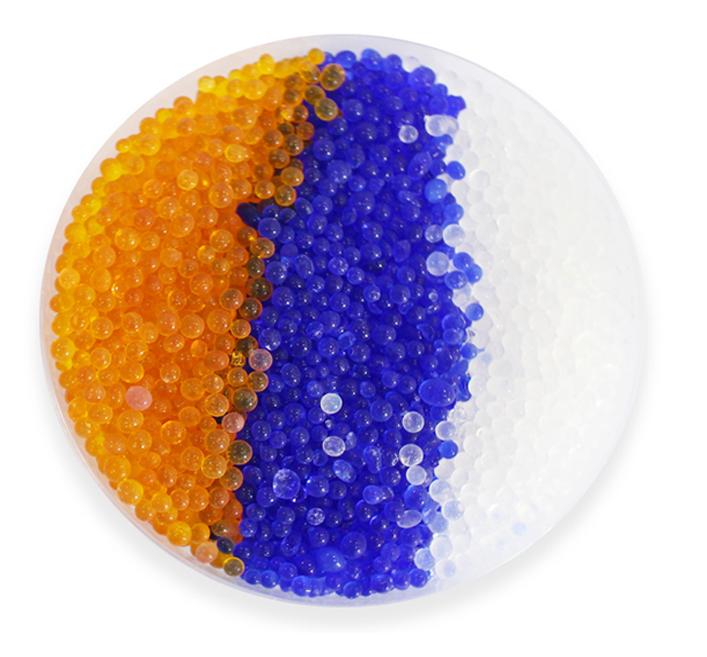
Overheating does not always result from an incorrect temperature setting alone. Equipment design, airflow, heating time, and material loading can also contribute. Identifying these factors helps manufacturers prevent repeated problems.
An incorrect thermostat setting is a common source of excessive heat. Operators may use settings intended for another material. They may also overlook differences between equipment and product temperatures.
The heater display does not always represent the actual material temperature. Sensor location and equipment calibration can affect readings. A poorly positioned sensor may fail to detect local hot spots.
Manufacturers should verify temperature measurements before each production run. Calibrated sensors provide more reliable process control. They also help identify abnormal temperature changes.
Poor airflow can create uneven heating inside an oven. Some areas may become hotter than others. This can expose part of the desiccant batch to excessive temperatures.
Overloaded trays can make the problem worse. Thick layers restrict airflow around individual particles. The material may also require longer heating to achieve consistent regeneration.
Operators should distribute desiccant evenly across suitable trays. They should avoid overloading the equipment. Proper airflow helps maintain more consistent heating conditions.
Regeneration requires enough time to remove absorbed moisture. However, longer heating does not always improve the final result. Excessive exposure may increase thermal stress.
The correct duration depends on the material and moisture load. Equipment capacity and airflow also affect the process. A fixed heating time may not suit every batch.
Manufacturers should validate the heating cycle under actual operating conditions. Record both temperature and duration. This makes it easier to identify unnecessary heating time.
Not all heating equipment is designed for desiccant regeneration. Some ovens may lack accurate temperature controls. Others may distribute heat unevenly.
Containers and trays also matter. Unsuitable materials may deform or release contaminants during heating. Their design should support airflow and safe handling.
Before choosing equipment, review its operating range and control accuracy. Confirm that trays can withstand the required conditions. Suitable equipment reduces process variation and operating risks.
A proper inspection should consider appearance and performance. Neither visual checks nor color changes provide a complete diagnosis. Manufacturers should use consistent testing before returning regenerated material to production.
Start by checking the material's color and shape. Look for unusual discoloration, cracks, broken particles, or excessive dust. Compare the batch against an unused sample when possible.
Indicator silica gel needs special attention. Its color may change as it adsorbs moisture. This does not automatically mean overheating has occurred.
Record any unusual appearance changes during inspection. Separate damaged or contaminated batches from reusable stock. Further testing can determine whether their adsorption performance remains acceptable.
Adsorption capacity is a more useful performance indicator. It shows how much moisture the material can retain under defined conditions. Testing can reveal whether regeneration has reduced its effectiveness.
For reliable comparisons, use the same temperature and relative humidity. Keep sample weight and exposure time consistent. Compare regenerated material against a suitable reference sample.
A significant performance difference may indicate material damage. However, incomplete regeneration can also cause poor results. Confirm the process conditions before deciding to discard the batch.
A change in drying time may indicate a process problem. The material may absorb moisture more slowly than expected. It may also have an increased moisture load before regeneration.
Longer cycles do not always prove thermal damage. Poor airflow, equipment faults, or unsuitable loading can produce similar symptoms. Check the entire process before identifying the cause.
Keep records for each regeneration batch. Compare cycle duration and final moisture performance. Repeated deviations can help identify material deterioration or equipment problems.
Reuse decisions should depend on material condition and performance. A batch that passes visual inspection may still have reduced capacity. Performance testing provides stronger evidence.
Replace material when it shows significant physical damage or contamination. Replacement may also be necessary when adsorption performance falls below application requirements. Do not rely only on its appearance.
For small packaging applications, the product format also matters. A 0.5g silica gel desiccant pouch is designed for a specific packaging use. Its suitability for regeneration should be confirmed rather than assumed.
A controlled regeneration process protects material performance. It also improves consistency between production batches. Manufacturers should establish clear procedures before starting routine regeneration.
First, confirm the material's exact composition and grade. Do not identify desiccant only by its appearance. Different products may have similar shapes but different thermal properties.
Review the supplier's technical datasheet. Check the recommended temperature, duration, and cooling conditions. Also confirm whether the product is intended for repeated regeneration.
If the material type is unknown, do not start heating. Contact the supplier for identification and instructions. This simple step can prevent avoidable damage.
Use a temperature controller suitable for the equipment. Confirm that its sensor is properly installed and calibrated. The actual material temperature matters more than the heater setting alone.
Monitor temperature throughout the regeneration cycle. Watch for unexpected increases or uneven readings. Stop the process if the equipment exceeds its validated operating limits.
Operators should also document each batch. Record the material type, temperature, duration, and inspection results. These records support repeatable production control.
Use the recommended heating duration for the selected material. Avoid extending the cycle without a clear technical reason. Excessive exposure may increase energy use and thermal stress.
Spread the desiccant evenly across the trays. Leave enough space for air circulation. Avoid deep layers that prevent consistent heating.
Check the equipment's airflow before each batch. Remove obstructions and clean the relevant components. Consistent airflow helps improve regeneration uniformity.
Regenerated desiccant should cool under suitable dry conditions. Hot material can quickly adsorb moisture from humid surrounding air. This may reduce the benefit of regeneration.
Use clean, dry containers for temporary storage. Keep the material protected from ambient humidity. Avoid leaving regenerated desiccant exposed in an open production area.
Follow the supplier's instructions for handling and packaging. Confirm that the material has reached a suitable temperature before sealing it. Proper cooling helps preserve its regenerated condition.
Tip: Prepare clean, moisture-resistant storage containers before regeneration ends. This reduces the time regenerated material remains exposed to humid air.
Efficient regeneration requires more than temperature control. Manufacturers should consider moisture load, equipment performance, and final adsorption results. A repeatable process can reduce waste and improve operating consistency.
Desiccant batches may contain different amounts of absorbed moisture. A heavily loaded batch may need a different validated cycle. However, operators should not increase heat without checking material limits.
Measure or estimate the moisture load where practical. Use the results to select suitable regeneration conditions. This helps avoid unnecessary heating.
For regular operations, establish process settings for common batch conditions. Review them when material grades or equipment change. Consistent records make process adjustments more reliable.
A written procedure helps operators follow consistent steps. It should identify the material, equipment, temperature, and duration. Include inspection and cooling requirements as well.
Train operators to recognize abnormal conditions. They should know when to stop a cycle and report problems. Clear responsibilities reduce the risk of uncontrolled heating.
Review the procedure after process changes. Equipment upgrades and new desiccant grades may require validation. Keep the latest approved instructions available to production staff.
Post-regeneration testing confirms whether the material remains suitable. Use a consistent method to compare moisture uptake. Keep humidity, temperature, sample weight, and test duration controlled.
Compare the results against an unused reference or approved performance limit. This helps distinguish successful regeneration from incomplete moisture removal. It can also reveal gradual performance decline.
Do not judge regeneration success only by weight loss or color. These indicators may not reflect actual adsorption capacity. Use application-relevant performance testing whenever possible.
The right desiccant depends on the application. Consider humidity, moisture load, packaging design, and expected service life. Regeneration requirements should also influence material selection.
Some packaging applications use single-use desiccants. Others may use reusable materials in controlled industrial systems. The best choice depends on the process and total operating cost.
Discuss application conditions with the supplier before purchasing. Ask for technical data and regeneration guidance when reuse is planned. This helps prevent unsuitable material selection and avoidable process failures.
Excessive heat can damage desiccants and reduce moisture adsorption. Proper temperature control and testing help maintain reliable performance.
TOPCOD offers silica gel and calcium chloride desiccants. Its moisture-control products help protect packaged goods during storage and transportation.
A: It may damage structure and reduce adsorption capacity.
A: Yes. Excessive heat may cause permanent performance loss.
A: It depends on the grade and supplier's instructions.
A: Check for cracks, discoloration, dust, and reduced adsorption.
A: Yes. It wastes energy and may shorten material life.


