
T: +86-757-2339-5985
E: tp@topcod.com.cn
E: tp@topcod.com.cn
No.6, Pai Sha Industrial Road, Pai Sha Community, Longjiang Town, Shunde District, Foshan City, Guangdong Province, China.
Views: 0 Author: Site Editor Publish Time: 2026-11-05 Origin: Site


Manufacturers and packaging engineers face a constant logistical dilemma. We need product visibility on the warehouse floor, but we absolutely cannot sacrifice environmental protection. Visual identification drives modern supply chain efficiency. It allows quality control inspectors, receiving departments, and customs agents to verify contents and scan barcodes. They can confirm part numbers without ever breaking the sterile packaging seal.
For many standard applications, relying on a clear bag provides a fantastic, cost-effective solution. These transparent enclosures successfully keep items dry. They facilitate seamless visual inspection and maintain strict cleanroom compatibility. A significant engineering problem arises, however, when we rely solely on see-through materials for highly sensitive, high-value goods.
Transparent packaging offers decent baseline protection against ambient humidity. Yet, high-stakes industries operate under much stricter parameters. Sectors like aerospace engineering, advanced electronics manufacturing, and long-term food preservation require fail-safe defenses. They demand absolute protection against moisture vapor ingress, electrostatic discharge, and oxygen permeation. Physics dictates a harsh reality. Clear polymer materials alone simply cannot provide the near-zero transmission rates required for these rigorous applications.
Consequently, a hybrid approach becomes necessary on the packaging line. Combining a transparent inner layer with an opaque outer foil pouch creates the ultimate, multi-layered packaging system. This comprehensive guide explores exactly when, how, and why you need to upgrade your packaging strategy with an outer foil layer. Implementing this dual system prevents costly product failures and ensures strict industry compliance.
Looking at the broader manufacturing landscape, we see a distinct shift in how engineers approach environmental shielding. The global push toward extreme miniaturization in semiconductors means modern microchips feature sub-3nm architectures. At this microscopic scale, a component tolerance for moisture ingress drops to virtually zero. A single microscopic water droplet expanding during solder reflow will destroy the chip.
In addition, global supply chain disruptions have permanently altered shipping logistics. Sea freight transit times frequently face unpredictable delays. Cargo sits in highly corrosive, salt-heavy maritime environments for months rather than weeks. Because of these extended exposure times, packaging engineers are actively moving away from single-layer clear plastics. The industry standard is rapidly shifting toward hybrid solutions. Companies now heavily favor combining the cleanroom sterility of transparent polymers with the brute-force environmental defense of multi-layer foil laminates to protect high-value cargo.
To fully grasp when to upgrade to foil, we must first understand the baseline engineering capabilities of transparent barrier packaging. A moisture barrier bag restricts the flow of water vapor from the external environment into the internal micro-climate. Transparent varieties achieve this through advanced multi-layer laminations of specialized polymers.
Common structural materials include heavy-duty Polyethylene for strong heat sealing and Nylon for exceptional puncture resistance. Manufacturers also integrate sophisticated barrier films like Aclar or Ethylene Vinyl Alcohol. These specialized layers significantly reduce moisture permeability compared to standard commercial plastics.
The primary appeal of these enclosures lies in their operational transparency. Assembly facilities heavily favor these bags for instantaneous barcode scanning. Imagine a busy receiving dock. A worker scans a tray of medical devices right through the polymer without breaking the sterile vacuum seal. This visibility drastically reduces handling time. It also minimizes the risk of exposing sensitive components to ambient factory air during routine quality control.
Specifically, standalone transparent packaging is entirely sufficient for non-sensitive mechanical hardware, basic retail consumer goods, and medical tubing. It works perfectly for the short-term storage of durable electronic peripherals. In these controlled, low-risk scenarios, the moderate protection aligns perfectly with the product shelf-life requirements.
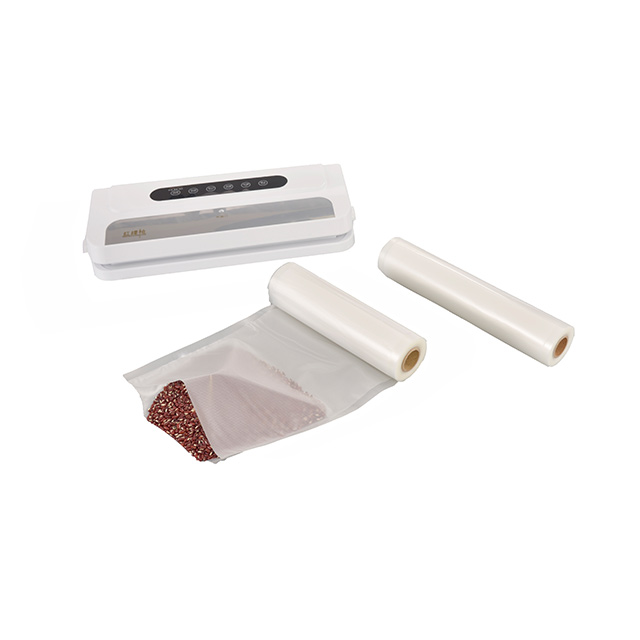
Despite their incredible versatility, transparent polymers are bound by the strict laws of material science. We measure the most significant limitation through a metric called the Moisture Vapor Transmission Rate, commonly known as MVTR. This metric calculates the mass of moisture vapor passing through a specific material area over 24 hours.
The harsh reality on the engineering floor is that all transparent plastics breathe to some microscopic degree. Advanced clear films boast a low MVTR, but aluminum foil hits an MVTR of virtually zero. Over a multi-month shipping cycle, the tiny amount of moisture passing through a transparent film accumulates. This trapped humidity leads to severe oxidation and component damage.
Furthermore, transparent bags suffer from the lack of a true Faraday cage effect. A Faraday cage is a conductive enclosure that blocks external static electric fields. A plastic bag can be topically treated to be anti-static. This means it will not generate its own static charge when rubbed against another surface. However, it simply cannot shield its internal contents from an external electrostatic shock. Only materials featuring a continuous conductive metal layer provide true shielding.
Finally, transparent packaging inherently allows light and oxygen permeability. Ultraviolet light and oxygen act as primary catalysts for chemical degradation. They break down sensitive chemical compounds and degrade pharmaceutical efficacy. They spoil organic products and permanently damage specific photo-sensitive electronic substrates.
Understanding the molecular limitations of transparent films helps us identify exact field scenarios. In the following situations, an outer foil layer is not just recommended. It is absolutely critical for product survival.
The electronics manufacturing industry classifies components based on their vulnerability to moisture-induced damage during the surface-mount soldering process. We call this the Moisture Sensitivity Level, ranging from level 1 to level 6. When highly sensitive integrated circuits absorb ambient moisture, the rapid heat of solder reflow causes that trapped water to instantly vaporize. This results in the infamous popcorning effect. The component physically cracks or delaminates from the inside out. For components rated level 2 and above, an outer foil layer is strictly required. It maintains an ultra-dry environment and prevents irreversible thermal damage.
Electrostatic discharge is a silent killer in the semiconductor sector. A static shock under 3,000 volts goes completely unnoticed by human hands. Yet, it carries more than enough energy to instantly destroy a microchip. If the shipped product is sensitive to static electricity, an outer foil layer is mandatory. The aluminum layer acts as a Faraday cage. It completely shields the internal component from external electrostatic fields generated by conveyor belts or transit friction. Utilizing specialized Anti moisture ESD Barrier Bags ensures the product arrives with its microscopic circuitry fully intact.
Preserving organic materials requires a completely different set of environmental controls. Freeze-dried foods, emergency survival rations, and sensitive agricultural seeds demand an environment with zero oxygen and zero moisture ingress. This achieves a shelf life spanning decades. A transparent inner bag safely portions the food. However, a Moisture Barrier Bag for Food Storage featuring a heavy-duty foil outer layer permanently seals the product from the elements. Foil completely halts the lipid oxidation process that leads to rancidity.
Global logistics subject cargo to brutal environmental extremes. Sea freight scenarios remain particularly hazardous. Cargo packed in shipping containers sits on the ocean for weeks. It faces highly corrosive salt fog, massive temperature fluctuations, and extreme relative humidity. These conditions cause container rain, where condensation drips directly onto the cargo pallets. Transparent films simply lack the heavy-duty vapor blocking properties required to survive maritime climates. Foil laminates provide the ruggedized, impenetrable defense necessary for international sea freight.
Certain high-value products are acutely susceptible to photo-degradation. This category includes active pharmaceutical ingredients, specialized industrial resins, aerospace adhesives, and advanced polymer catalysts. When exposed to ultraviolet light, the molecular structure of these products breaks down. They become ineffective or dangerous. Because foil is completely opaque, it provides an absolute physical barrier against all light spectrums. This locks in chemical stability from the manufacturing facility directly to the end-user.
Industries often require both the pristine cleanliness of a transparent bag and the rugged protection of a foil bag. Forcing a choice between the two is entirely unnecessary. The Bag-in-Bag methodology serves as the standard operating procedure. It is particularly prevalent in semiconductor and aerospace cleanrooms.
In practice, the process unfolds in three distinct stages. First, inside the sterile ISO Class 5 cleanroom environment, the sensitive item goes into a transparent barrier film or specialized ESD Pink PE Pouches. Engineers select this inner layer specifically for its low-outgassing and non-shedding properties. The operator pulls a precise vacuum and seals the pouch to lock in the sterile micro-climate.
Second, the sealed item passes out of the cleanroom through a specialized transfer airlock. Finally, in a standard packaging area, the transparent bag goes directly inside a heavy-duty outer foil bag. Operators add desiccant packs and Humidity Indicator Cards before vacuum-sealing and heat-sealing the outer foil.
The primary benefit of this dual-layer system is operational safety for the end-user. Upon receiving the shipment, the customer removes and discards the dirty outer foil bag exposed to the harsh shipping environment. They are left with a pristine, transparent-bagged component. They can safely bring this directly into their own cleanroom without introducing external transit dust.
To make an informed engineering decision, we must compare the objective technical specifications of high-grade clear barrier films against metallized foil laminates. Real-world parameters dictate the final choice.
| Technical Specification | Heavy-Duty Clear Polymer Film | Multi-Layer Aluminum Foil Laminate |
|---|---|---|
| Structure | Nylon / Polyethylene blends | PET / AL / NY / PE (3 to 4 layers) |
| Moisture Vapor Transmission Rate | ~0.02 to 0.05 grams per square meter | < 0.005 grams per square meter |
| Surface Resistance | 10^8 to 10^11 ohms | 10^8 to 10^11 ohms (with full Faraday cage) |
| Light Transmission | Highly Permeable | 100% Opaque |
| Puncture Resistance | Moderate to High | Exceptionally High |
Adding an outer foil layer undeniably increases the initial packaging material budget. However, empirical evidence proves it drastically reduces long-term operational costs. The investment in foil significantly lowers Return Merchandise Authorization rates associated with moisture damage, static failure, or transit corrosion. It ultimately saves companies thousands of dollars in ruined inventory.
The decision to utilize an outer foil layer is rarely left to guesswork. International manufacturing standards heavily regulate this process. Compliance remains mandatory for suppliers operating in defense, aerospace, and advanced electronics.
The most prominent standard in electronics is IPC/JEDEC J-STD-033. This document governs the handling, packing, shipping, and use of moisture-sensitive surface mount devices. It explicitly outlines the stringent transmission rate requirements for barrier packaging. The standard mandates the use of desiccants and indicator cards to maintain a dry environment. It heavily implies, and often outright requires, foil laminates for highly sensitive components.
In the defense sector, MIL-PRF-81705 establishes the military performance specification for barrier materials. These materials must be water-vapor proof, greaseproof, and electrostatic protective. Military contractors must use materials that meet these rigorous testing parameters. Passing the static shielding tests almost exclusively requires multi-layer foil structures.
Selecting the appropriate packaging architecture requires a careful assessment of product vulnerabilities. Use this standardized matrix to streamline your engineering decision:
A transparent package offers unparalleled visibility and operational efficiency on the warehouse floor. However, it simply cannot defy physics when confronted with extreme moisture, electrostatic discharge, and light transmission. Adding an outer foil layer acts as an uncompromising insurance policy for your most valuable, sensitive components.
This dual-layered method prevents costly product failures during shipping and guarantees compliance with stringent international standards. Evaluate your current packaging architecture and verify the sensitivity ratings of your inventory. If you need to upgrade your environmental defense, visit Topcod Dry Packaging to explore our full range of custom moisture barrier solutions and ensure your products reach the end-user exactly as they left the cleanroom.
Standard transparent bags do not offer full electrostatic shielding. They lack the Faraday cage effect provided by a continuous conductive metal layer. Some are treated to be anti-static, meaning they will not generate a charge from friction. However, they cannot block external static fields from penetrating the plastic. For true shielding against external static events, barrier bags with a metallized or aluminum foil layer are strictly required.
For short-term storage or rapid inventory turnover, a heavy-duty transparent bag functions adequately. The absolute best solution for long-term preservation involves a Mylar or aluminum foil laminate bag. Foil completely blocks oxygen, moisture vapor, and UV light. These three elements are the primary culprits behind food spoilage and nutrient degradation.
You must check the Moisture Sensitivity Level rating of your specific electronic components. If they are rated level 2 or higher, industry standards typically require packing them in highly impermeable foil moisture barrier bags. This packaging protocol must also include the correct ratio of activated desiccant and a humidity indicator card to constantly verify the internal environment.
Yes. Most high-quality clear barrier bags feature strong polymer laminates designed specifically to withstand the intense physical stresses of vacuum sealing. Drawing a vacuum removes ambient air and trapped moisture. This makes transparent bags an excellent sterile inner layer before placing the product into a more robust outer foil pouch for rugged shipping.
Transparent bags remain vital for specific operational environments like cleanrooms. Microscopic particulate shedding from the raw edges of cut foil is a severe contamination concern in these sterile zones. Furthermore, clear bags allow customs agents and receiving departments to visually verify the contents and read internal barcodes without breaking the protective vacuum seal.
The ideal thickness depends heavily on the physical weight and sharp edges of the product being shipped. For standard electronics, a 3.6 mil to 4.0 mil foil bag provides excellent moisture and static protection. For heavier industrial components or products with sharp corners that require high puncture resistance, engineers typically specify a heavy-duty 5.0 mil to 6.0 mil foil laminate.
Absolutely. While the outer foil bag effectively blocks new moisture from entering the package, it also traps the existing ambient air inside during the sealing process. You must insert activated desiccant packs to absorb the residual moisture trapped in that air. This combination ensures the internal micro-climate remains completely dry throughout the shipping cycle.


