
T: +86-757-2339-5985
E: tp@topcod.com.cn
E: tp@topcod.com.cn
No.6, Pai Sha Industrial Road, Pai Sha Community, Longjiang Town, Shunde District, Foshan City, Guangdong Province, China.
Views: 0 Author: Site Editor Publish Time: 2026-11-06 Origin: Site


I have seen it happen too many times on the assembly line. You unbox a brand-new, high-end DSLR camera lens or a highly sensitive printed circuit board, only to find the delicate surfaces coated in a fine, gritty layer of particulate dust. Wiping it away risks permanent micro-scratches. It instantly ruins a costly investment. This is a common and infuriating frustration for manufacturers and end consumers alike. The irony here is that this contamination almost always originates from the exact component designed to protect the product: round desiccant balls.
While these perfectly spherical silica gel beads serve as highly effective humidity controllers, their physical geometry and chemical properties make them inherently prone to shedding dust. For industries handling sensitive optics, advanced electronics, food, and pharmaceuticals, this dust generation is far more than a nuisance. It is a critical failure point. It can trigger costly product recalls and permanently damage a brand's reputation. This guide breaks down the objective science behind why this dusting occurs from an engineering perspective. We will explore how it impacts packaged goods and detail the actionable steps you can take to implement high-quality, low-dust moisture control solutions.
From a mechanical engineering standpoint, the primary reason round beads produce dust comes down to simple kinetic physics. Their perfectly spherical shape significantly reduces friction against the packaging walls. This inadvertently increases their mobility. Inside a typical pouch, these beads act exactly like miniature ball bearings. During shipping, heavy handling, and warehouse vibration, they roll freely. They constantly collide with one another.
Furthermore, silicon dioxide—the primary component of silica gel—is a relatively hard but brittle material. As these hard spheres continuously grind together over thousands of miles of transit, kinetic energy causes microscopic fragments to chip away from the surface. This mechanical abrasion accumulates over time. It transforms the chipped surface material into a fine, powdery dust that inevitably settles at the bottom of the packaging.
Beyond physical friction, a chemical and thermodynamic reaction known as decrepitation is a major contributor to dust generation. Silica gel functions through physical adsorption. It draws water vapor into its vast network of microscopic pores. When a highly active, very dry silica bead is suddenly exposed to high ambient humidity, it absorbs water molecules at an incredibly rapid rate.
This rapid adsorption process releases a significant amount of heat. The sudden temperature spike, combined with the extreme internal pressure of water vapor rushing into the capillary pores, causes severe thermal and mechanical stress within the bead. Consequently, the bead can audibly crack, pop, or completely shatter into tiny fragments. This instantly generates a high volume of silica dust.
It is crucial to note that not all desiccants are manufactured to the same standard. Lower-quality manufacturing processes often fail to properly wash the silica gel. This leaves residual silica dust on the beads right out of the factory. In addition, poor curing processes can result in microscopic imperfections and fissures on the surface of the beads. These structural weaknesses act as stress concentration points. They make the beads significantly more brittle and susceptible to both mechanical abrasion and decrepitation over their operational lifespan.
As global manufacturing pivots toward microscopic precision, the moisture control sector is undergoing a massive transformation. Historically, standard kraft paper pouches filled with generic silica spheres were sufficient for shipping apparel or basic hardware. Today, the industrial landscape looks drastically different.
Specifically, the exponential growth in electric vehicle battery production, advanced microelectronics, and highly regulated pharmaceutical distribution has established a strict zero-dust tolerance across global supply chains. Contamination control is no longer an afterthought. It is a mandatory compliance metric. Industry analysts note a rapid phase-out of traditional porous packaging in favor of medical-grade Tyvek and ultrasonic sealing technologies. Forward-thinking manufacturers are increasingly investing in pre-washed, low-abrasion desiccants. They prioritize long-term structural integrity over initial procurement savings to avoid catastrophic, multi-million-dollar product failures and regulatory compliance breaches.
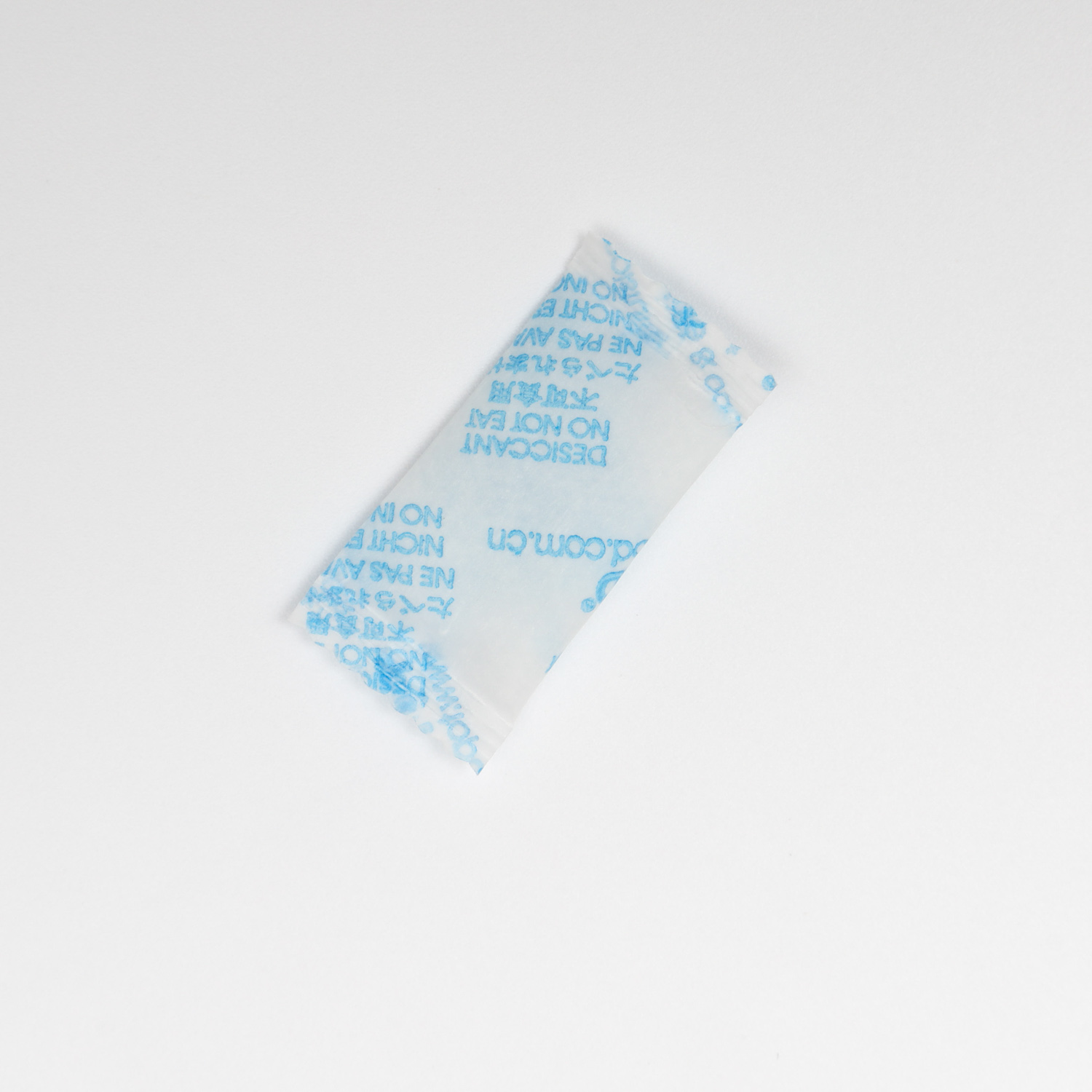
When sourcing moisture control solutions, packaging engineers typically encounter two main physical forms. These are smooth spherical balls and irregular crushed granular pieces. Round beads are formed by dropping a silica sol solution into a liquid bath, creating uniform spheres. Granular silica gel, on the other hand, is produced by drying the silica into a large block and then mechanically crushing it into irregular, jagged chunks.
| Feature | Round Beads | Granular Silica Gel |
|---|---|---|
| Friction & Mobility | High. Rolls freely like ball bearings inside the pouch. | Low. Irregular, jagged edges naturally interlock. |
| Dust Generation | Higher mechanical abrasion over time due to constant movement. | Significantly lower due to restricted kinetic energy. |
| Airflow & Absorption | Excellent uniform airflow and predictable absorption rates. | Good, though tight interlocking can restrict airflow slightly. |
| Best Application | General packaging, apparel, shoes, leather goods. | Pharmaceuticals, sensitive electronics, precision optics. |
While it might seem counterintuitive, irregular granular shapes often produce less friction-based dust inside a packet than free-rolling round beads. Because granular pieces have flat edges and jagged corners, they tend to lock together when packed tightly into a pouch. This interlocking effect heavily restricts their movement. With less kinetic energy and minimal rolling, there is significantly less mechanical grinding during transit.
In the electronics and optics manufacturing sectors, particulate contamination is a critical failure point. If microscopic silica dust escapes from a pouch and settles onto a printed circuit board, it can trap moisture against sensitive surface-mount components. This accelerates localized corrosion. For optical equipment like telescopes, laser sensors, and camera lenses, even a few specks of silica dust can scratch specialized anti-reflective coatings or permanently obscure the sensor field of view.
The food and pharmaceutical industries operate under stringent regulatory frameworks. Imagine opening a sealed bottle of daily vitamins only to find the capsules coated in a mysterious white powder. While pure silica gel is chemically inert and generally recognized as non-toxic, the presence of foreign particulate matter inside a medicine bottle or food package is entirely unacceptable. Dust contamination leads to severe regulatory compliance issues, FDA violations, consumer complaints, and devastating product recalls.
Silica is inherently abrasive. It functions much like microscopic sandpaper. If desiccant dust escapes into environments with moving mechanical parts—such as industrial compressed air dryers, pneumatic systems, or precision storage containers—it acts as a grinding compound. Over time, this fine abrasive powder accelerates the wear and tear on seals, bearings, and valves. This leads to premature equipment failure and increased maintenance downtime.
The physical breakdown of the absorbing beads is only half of the equation. The other half is the containment vessel itself. If desiccant packets are manufactured using cheap, highly porous paper, any internal friction dust will easily sift through the material and contaminate the product. Standard kraft paper offers minimal particulate filtration and is highly susceptible to tearing under pressure.
For applications requiring strict dust control, the industry standard is to utilize high-density polyethylene spunbound fabrics, most notably Tyvek, or specialized non-woven medical-grade materials. These materials are engineered to be highly permeable to water vapor. This allows the desiccant to effectively do its job while acting as an impenetrable barrier to microscopic dust particles. Even if the beads fracture inside due to decrepitation, a high-quality Tyvek packet will trap the dust internally.
The integrity of the packet seal is equally critical to the material itself. Low-cost packets often rely on basic heat sealing, which can leave weak points along the edges. Under the weight of the beads or during pressure changes in air transit, these weak seams can burst open. Premium packets utilize advanced ultrasonic sealing techniques to create a uniform, unbreakable bond that guarantees complete particulate containment.
A common question among facility managers is whether a dusty batch of regenerating beads can be salvaged. Many engineers invest in reusable Silica Gel Desiccant to reduce waste and lower long-term operational costs. However, it is vital to understand the physical limits of the material. While you can easily bake silica gel to evaporate the trapped water and recharge its capabilities, you cannot repair physical damage. Once a bead has fractured, cracked, or turned into dust, that structural damage is permanent.
If you are utilizing regenerating desiccants, the method of recharging is critical to preventing dust. Subjecting the beads to extreme, sudden heat like a microwave on high power or an oven set above 250 degrees Fahrenheit will induce severe thermal shock. The rapid expansion of trapped water vapor will shatter the beads instantly. To safely regenerate them and minimize dust, apply low, slow heat over several hours. This allows the moisture to evaporate gently without stressing the silica structure.
For environments where particulate matter cannot be tolerated, procurement teams should specify premium, pre-washed silica gel. During the manufacturing process, these high-grade beads undergo multiple intensive washing cycles to remove any residual surface dust before packaging. For instance, when specifying a Silica Gel Desiccant for pharmaceutical bottles, we typically mandate a 1-gram dosage packaged in medical-grade Tyvek. This specific configuration ensures high moisture absorption capacity while maintaining strict FDA compliance for direct food and medicine contact.
Depending on the application, exploring alternative moisture absorbers might offer different structural benefits. Montmorillonite clay is a highly effective, natural, and eco-friendly option. While it can also be dusty if packaged poorly, it does not suffer from the same decrepitation shattering effect as silica gel when exposed to sudden humidity changes. Molecular sieves provide another robust alternative, offering rapid, deep drying capabilities at ultra-low humidity levels.
When sourcing moisture control products for industrial applications, objective quality indicators are your first line of defense. Buyers should actively look for suppliers that operate under ISO 9001 quality management systems. For food, nutraceutical, and pharmaceutical applications, ensure the packaging materials comply with FDA regulations for direct food contact. Cleanroom manufacturing standards also guarantee that the packets are free from external environmental contaminants before they reach your facility.
Procurement decisions often come down to unit cost, but the desiccant market is flooded with ultra-cheap, unbranded options. Saving a fraction of a cent on low-quality beads enclosed in cheap paper is a dangerous false economy. The financial impact of a single recalled batch of pharmaceuticals, or a shipment of ruined electronics, far outweighs the initial investment in structurally sound, dust-proof moisture control solutions.
Round desiccant balls shed dust primarily due to the constant mechanical friction they experience during transit, combined with the structural fracturing caused by rapid moisture absorption. While this fine silica powder might seem harmless to the naked eye, it poses a severe threat to sensitive electronics, optical equipment, and consumable goods.
The most effective defense against contamination requires a two-pronged engineering approach. First, select structurally sound, high-grade silica gel, such as pre-washed or granular options. Second, ensure it is securely encapsulated in premium, dust-proof packaging materials like Tyvek with ultrasonic seals. We strongly encourage facility managers and packaging engineers to evaluate their current moisture control methods today. If you are dealing with moisture control in high-stakes environments, standard solutions will not cut it. Upgrading to professional-grade, low-dust solutions from trusted manufacturers like Topcod is a necessary and highly effective insurance policy to protect your valuable products from irreversible damage.
Pure silica gel is non-toxic and chemically inert. However, inhaling fine silica dust can act as an irritant to the respiratory tract, and the material should never be ingested. It is worth noting that some older indicating silica gels contain cobalt chloride, a heavy metal that is toxic. These are largely being phased out globally in favor of safer, heavy-metal-free indicating alternatives.
You cannot stop the physical breakdown of the beads once the mechanical abrasion or thermal shock has occurred. The most effective solution is preventative. Purchase packets manufactured with specialized, dust-proof wrapping materials like Tyvek or dense non-woven fabrics. These materials are highly permeable to moisture but feature microscopic pores small enough to trap any generated dust permanently inside the packet.
Yes, reusable desiccants can become significantly more prone to dusting over their lifecycle. The repeated thermodynamic process of absorbing ambient moisture and then being heated in an oven to dry out causes cumulative thermal stress. Over multiple cycles, this stress makes the beads increasingly brittle, leading to a higher likelihood of fracturing and turning into fine dust.
This phenomenon is known as decrepitation. When highly active, very dry beads are suddenly exposed to an environment with high ambient humidity, they absorb water vapor incredibly fast. This rapid absorption generates localized heat and intense internal pressure within the microscopic pores of the bead, causing it to physically crack, pop, or shatter, which instantly creates dust.
Yes. While no solid granular material is entirely immune to friction, you can purchase premium moisture absorbers that are extensively pre-washed during manufacturing to remove surface dust. When these high-grade desiccants are paired with specialized, non-porous membrane packaging, they effectively create a dust-free solution suitable for cleanrooms, optics, and pharmaceutical applications.
In the pharmaceutical industry, the acceptable dust level is effectively zero. Regulatory bodies require strict adherence to contamination control. This is why pharmaceutical packaging exclusively utilizes premium granular silica gel or pre-washed beads enclosed in medical-grade Tyvek. Any visible particulate matter can trigger an immediate compliance failure and product recall.
Tyvek is made from high-density polyethylene fibers that are spun and bonded together under heat and pressure. This creates a dense, web-like structure. While water vapor molecules are small enough to pass through this web to reach the desiccant, the physical silica dust particles are too large to penetrate the microscopic pores. This ensures 100% particulate containment even if the beads shatter inside.


