
T: +86-757-2339-5985
E: tp@topcod.com.cn
E: tp@topcod.com.cn
No.6, Pai Sha Industrial Road, Pai Sha Community, Longjiang Town, Shunde District, Foshan City, Guangdong Province, China.
Views: 0 Author: Site Editor Publish Time: 2026-09-25 Origin: Site


Moisture damage during international transit presents severe operational risks. Fluctuating maritime climates routinely expose shipping containers to extreme temperature shifts. These shifts trigger condensation cycles known as "container rain." When water droplets fall onto high-value exports, the resulting corrosion, mold, and degradation ruin entire shipments. Packaging engineers face a constant challenge. They must balance robust moisture protection against strict packaging budgets and evolving environmental compliance mandates. The global market for moisture control solutions has experienced rapid growth. This expansion highlights widespread industrial trust in reliable bulk export configurations. Shippers need materials that perform consistently across long transit times. Clay Desiccant emerges as a highly scalable, chemically inert, and economical moisture control solution. It provides reliable baseline humidity reduction without the environmental drawbacks of synthetic alternatives.
Cost-to-Performance Ratio: Clay desiccants offer the most economical moisture protection per ounce for bulk export packaging, particularly in standard temperature ranges.
Technical Limitations: Adsorption efficiency of natural clay drops significantly at temperatures exceeding 120°F (50°C), requiring careful route and climate evaluation.
Material Composition: Both bentonite clay desiccant and montmorillonite desiccant are naturally occurring, non-corrosive, and environmentally benign, simplifying end-user disposal.
Standardization: Procurement should be based on standardized "Units" of adsorption (e.g., MIL-D-3464E) rather than raw weight to ensure predictable performance.
Export moisture control succeeds only when the internal environment remains stable. The primary goal is preventing the dew point from being reached inside the shipping container or packaging enclosure. During ocean transit, vessels pass through varying climate zones. You might load a container in a humid port like Singapore and ship it across the Pacific to a colder climate like Seattle. Warm daytime temperatures heat the air inside the steel container, allowing it to hold significant moisture. As night falls, the ambient temperature drops rapidly. The trapped air cools and loses its capacity to retain water vapor.
This excess moisture condenses on the coldest surfaces, typically the container ceiling and walls. This condensation cycle, known as cargo sweating, eventually leads to container rain. Water drips directly onto the cargo, bypassing standard cardboard and infiltrating internal packaging. Effective desiccants intercept this vapor before it condenses. The process of container rain formation follows a predictable sequence:
Warm, humid ambient air gets trapped inside the container during the loading process at the origin facility.
The ocean vessel enters a colder climate zone or experiences a sharp temperature drop after sunset.
The container's steel walls cool rapidly, dropping the internal air temperature below the established dew point.
Water vapor condenses on the ceiling and drips downward onto the unprotected cargo.
Understanding the terminology helps you select the right material for the job. Montmorillonite is the primary active mineral component found within bentonite clay. When sourcing a bentonite clay desiccant, its performance relies entirely on the montmorillonite content. This mineral features a unique, highly porous layered structural network. It traps and holds water vapor molecules through capillary action.
The microscopic pores draw in moisture from the surrounding air. Unlike some chemical absorbents that turn into liquid or gel, natural clay retains the moisture within its structure. It does not change its physical shape, swell, or leak during the adsorption process. This physical stability ensures the packaging remains intact and the cargo stays dry. You can place these packets directly next to sensitive components without worrying about liquid pooling or structural failure of the sachet.
Industrial packaging requires materials that will not react with the products they protect. Natural clay is inherently non-corrosive and non-toxic. It contains no hazardous chemicals or synthetic additives. This chemical inertness makes it safe for direct contact with a wide variety of materials, including metals, textiles, and plastics. It will not emit harmful off-gases or cause chemical degradation to sensitive components.
While it is safe for general industrial use, direct contact with consumable food or pharmaceuticals requires specific FDA-approved packaging materials to enclose the clay. For standard industrial exports, the benign nature of clay eliminates the risk of secondary chemical damage to the cargo. You do not have to worry about the desiccant itself causing the corrosion you are trying to prevent.
Exporting heavy machinery involves protecting exposed metal surfaces from harsh marine environments. Bare metal is highly susceptible to flash rust and severe corrosion when exposed to high humidity and salt-laden air. Think about shipping a 5-ton CNC milling machine or a massive industrial turbine. Packaging engineers typically enclose large-scale equipment inside vapor barrier bags, such as heavy-duty foil pouches. They often use Vapor Corrosion Inhibitor (VCI) emitters in conjunction with the desiccants for dual-layer protection.
They place large-scale clay desiccant bags inside these sealed enclosures before vacuum-sealing them. The clay rapidly lowers the relative humidity within the micro-environment. By keeping the internal humidity below 40%, the desiccant prevents the electrochemical reactions that cause rust. We usually suspend the bags using internal tie-downs or place them in dedicated netting so they do not rest directly on oiled machine ways. This method ensures machined parts arrive at their destination in pristine, ready-to-use condition, eliminating the need for costly rework or aggressive cleaning at the receiving dock.
Moisture protection does not end when the vessel docks. Many industrial products transition from active transit to post-transit storage. These goods often sit in non-climate-controlled destination warehouses for months before deployment. A crate might sit on a humid dock in Houston for six months before moving to an installation site. Clay desiccants continue to provide value during this stationary phase.
They maintain baseline humidity control within the sealed packaging. As warehouse temperatures fluctuate between day and night, the clay absorbs any residual moisture trapped inside the barrier bag. This continuous protection prevents slow-forming corrosion and degradation. It preserves the integrity of the machinery until the end-user is ready to break the seal and begin installation.
The automotive industry relies heavily on Completely Knocked Down (CKD) export packaging. Manufacturers ship vehicle components in bulk to overseas assembly plants. Protecting thousands of engine blocks, transmissions, and stamped body panels from rust is a massive logistical challenge. Consider a supply chain routing parts from a humid manufacturing plant in Mexico to a cold-weather assembly facility in Germany. The temperature swings during this journey are extreme. Natural clay provides the necessary moisture absorption efficiently.
Workers distribute large quantities of desiccants throughout the CKD crates. They place them inside the corrugated boxes alongside the steel parts and plastic dunnage. The economic advantage of clay allows automotive exporters to scale their moisture protection strategies without inflating their overall packaging budgets. You can protect a crate of brake rotors with a few strategically placed clay bags, ensuring they arrive at the assembly line without a speck of surface rust. This keeps the assembly line moving without delays for component remediation.
Sensitive electronics require meticulous moisture control to prevent short circuits and component degradation. Shippers use small-gram sachets for general packing and electronic enclosures. However, standard clay can generate fine dust due to friction during transit. Dust contamination is a critical failure point for circuit boards, optical lenses, and precision sensors.
To utilize clay safely in these applications, manufacturers enclose the mineral in specialized packaging materials. Dense, non-woven fabrics or Tyvek prevent particulate matter from escaping the sachet. This allows electronics manufacturers to benefit from the cost savings of clay while maintaining a clean, dust-free environment for their sensitive products. You get the moisture protection without compromising the cleanroom standards of the components.
Porous organic materials face unique threats during multi-week transit schedules. High humidity inside a dark shipping container creates the perfect breeding ground for mold, mildew, and fungal growth. Textiles can develop permanent odors and stains. Leather goods can rot and lose their structural integrity. Agricultural bulk products can spoil rapidly.
Distributing clay packets throughout the cargo absorbs the ambient moisture that fuels microbial growth. By keeping the relative humidity low, the desiccant starves the mold spores of the water they need to propagate. We often see shippers placing desiccant strips along the top of the container and individual sachets inside the master cartons. This preserves the quality, appearance, and market value of organic exports.
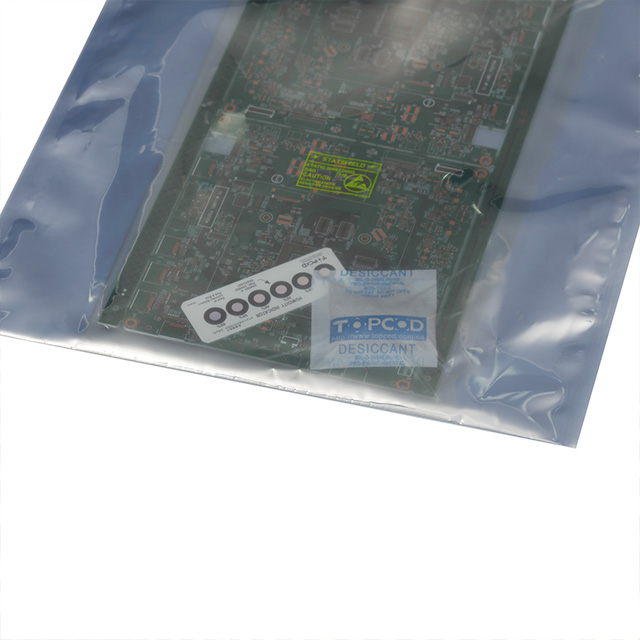
Selecting the right desiccant requires an evidence-based comparison of performance limits. Clay is highly effective at standard temperatures and relative humidities up to 50%. Within this range, it rapidly pulls moisture from the air. However, it has a critical limitation known as the 120°F rule. At temperatures above 120°F (50°C), natural clay begins to desorb.
It releases the trapped moisture back into the packaging environment. This can cause a sudden spike in internal humidity, potentially ruining the cargo. Imagine a steel container sitting on a tarmac in Dubai during the summer; internal temperatures easily exceed this threshold. In contrast, silica gel retains its absorbed moisture at much higher temperatures, remaining stable up to 220°F. Shippers must evaluate the expected climate conditions of their routing before selecting clay.
Unit economics drive packaging decisions for large-volume industrial exports. When extreme heat is not a factor, clay offers a superior return on investment. It is typically much less expensive than silica gel by weight. For companies shipping thousands of containers annually, this price difference translates into massive operational savings.
The lower procurement cost allows packaging engineers to use more desiccant per container, increasing the safety margin for moisture protection. You can double the amount of clay used in a crate for the same price as a standard silica gel application. The financial advantage makes clay the preferred choice for bulk commodities, machinery, and automotive parts where standard transit temperatures apply.
Sustainability factors heavily into modern supply chain management. End-users face strict regulations regarding packaging waste disposal. Natural clay aligns perfectly with global environmental mandates, including strict European directives like RoHS and REACH. Because it is a naturally occurring mineral with no synthetic chemicals, it can be disposed of as standard mineral waste.
It does not require specialized hazardous waste processing. This simplifies the receiving process for the end-user and reduces the overall environmental footprint of the shipment. When a factory receives a shipment of parts, they can throw the clay bags into the standard industrial waste bin. Silica gel, while generally safe, often requires more careful disposal protocols depending on local municipal regulations.
Technical Comparison: Clay vs. Silica Gel | ||
Feature / Metric | Natural Clay | Silica Gel |
|---|---|---|
Primary Composition | Montmorillonite / Bentonite | Synthetic Silicon Dioxide |
Optimal Temperature Range | Below 120°F (50°C) | Up to 220°F (105°C) |
Desorption Risk | High (Above 120°F) | Low |
Relative Cost | Most Economical | Moderate to High |
Environmental Disposal | Standard Mineral Waste | Varies by Local Regulation |
Best Use Case | Bulk industrial, heavy machinery | Electronics, extreme heat transit |
Procuring desiccants by raw weight leads to inconsistent moisture protection. The industry relies on the MIL-D-3464E standard to ensure predictable performance. This standard defines a "Unit" of desiccant based on its adsorption capacity, not its physical weight. One Unit is the amount of desiccant that will absorb exactly 3 grams of water at 20% relative humidity and 6 grams at 40% relative humidity at 25°C.
Calculating the required Units depends on the packaging enclosure. For rigid containers, engineers calculate the internal volume. A common formula is dividing the volume in cubic feet by 1.2 to find the required units. For flexible vapor barrier bags, the calculation relies on the total surface area of the barrier material. You multiply the area in square feet by 0.011 to determine the baseline units. You must also account for internal dunnage. Wood pallets and cardboard bracing hold significant amounts of inherent moisture. A standard wood pallet can hold several pounds of water, requiring additional desiccant units to compensate for this hidden moisture load. Accurate calculations prevent both under-protection and wasteful over-packing.
Implementation requires choosing the correct form factor for the specific packaging environment. Macro-environment control involves managing the humidity of the entire shipping container. This requires bulk configurations like hanging desiccant poles or large continuous strips. These are suspended from the container ceiling rings to intercept moisture before it condenses on the walls.
Conversely, micro-environment control focuses on the space immediately surrounding the product. This utilizes individual sachets placed directly inside product cartons or vapor barrier bags. The strategic placement of these smaller units ensures localized protection for highly sensitive components. We often use a combination of both: poles for the container and sachets for the individual boxes inside.
The material enclosing the desiccant is just as important as the mineral itself. Natural clay generates fine particulate dust when subjected to vibration and friction. This poses an implementation risk for certain goods. When specifying a montmorillonite desiccant, engineers must evaluate the sensitivity of the exported items.
For rugged machinery or automotive castings, standard non-woven or Kraft paper sachets provide sufficient containment at a low cost. However, if the cargo includes electronics, optics, or precision medical devices, dust mitigation is mandatory. These applications require medical-grade Tyvek packaging. Tyvek offers a high moisture vapor transmission rate while completely blocking the escape of microscopic dust particles.
Inventory management directly impacts desiccant efficacy. Natural clay begins absorbing moisture the moment it is exposed to ambient air. Poor storage practices lead to premature exhaustion before the material is even deployed in a shipping container. Mitigation strategies require strict handling protocols on the warehouse floor.
Unused desiccant must be kept in airtight, moisture-proof master containers. Drums with secure locking rings or heavy-duty sealed foil bags are standard. Warehouse staff must follow a strict protocol to maintain the integrity of the supply:
Inspect all incoming desiccant drums for damaged locking rings or punctured foil liners upon delivery.
Store the drums in a dry area away from open loading dock doors or high-humidity zones.
Open the master containers only when the packaging line is fully prepped and ready for immediate insertion.
Reseal partially used drums immediately using heavy-duty tape or a dedicated drum sealing mechanism.
Failing to control the storage environment guarantees that the desiccant will fail during ocean transit.
Audit your current vapor barrier materials to determine their exact moisture vapor transmission rates before ordering desiccants.
Calculate your required "Units" based on the internal volume and surface area of your specific packaging enclosures using the MIL-D-3464E standard.
Request MIL-SPEC compliant samples from suppliers to verify adsorption capacity in your specific warehouse environment.
Upgrade sachet materials to Tyvek if your products are sensitive to particulate dust contamination during transit.
A: Bentonite clay is a naturally occurring mineral that is highly cost-effective and environmentally friendly. It absorbs moisture efficiently but releases it if temperatures exceed 120°F. Silica gel is a synthetic silicon dioxide that costs more but retains moisture safely up to 220°F, making it better for extreme heat.
A: A standard 20ft container typically requires between 32 and 64 Units of desiccant for baseline protection. However, the exact calculation depends heavily on the moisture content of the cargo, the specific volume of the goods, and the permeability of any internal barrier materials used.
A: Technically, montmorillonite can be regenerated by baking it in an oven at specific temperatures to drive off the absorbed water. Commercially, this is highly impractical for export packaging due to the labor costs and the degradation of the sachet material during the heating process.
A: Yes. Natural clay is chemically inert and non-corrosive. It will not cause chemical reactions or rust on bare metal. You must ensure the sachet material is durable enough to prevent physical dust transfer, which could leave a residue on the machined surfaces.
A: Clay begins to lose its effectiveness and desorb at 120°F (50°C). At this threshold, the physical bonds holding the water molecules weaken, and the clay releases the trapped moisture back into the surrounding air, potentially causing condensation damage.
A: In a perfectly sealed, moisture-proof master package, clay has a shelf life of several years. Once exposed to ambient humidity, its active life begins immediately. It will reach maximum saturation within hours or days depending on the relative humidity of the environment.


